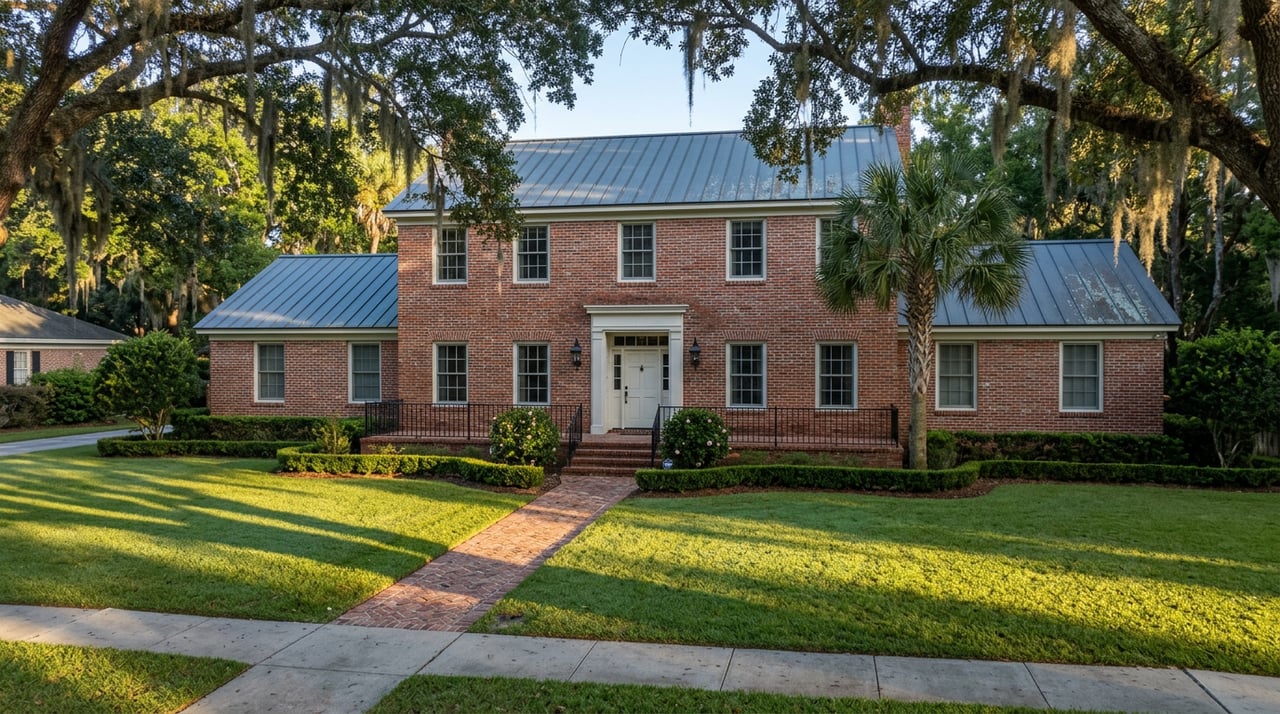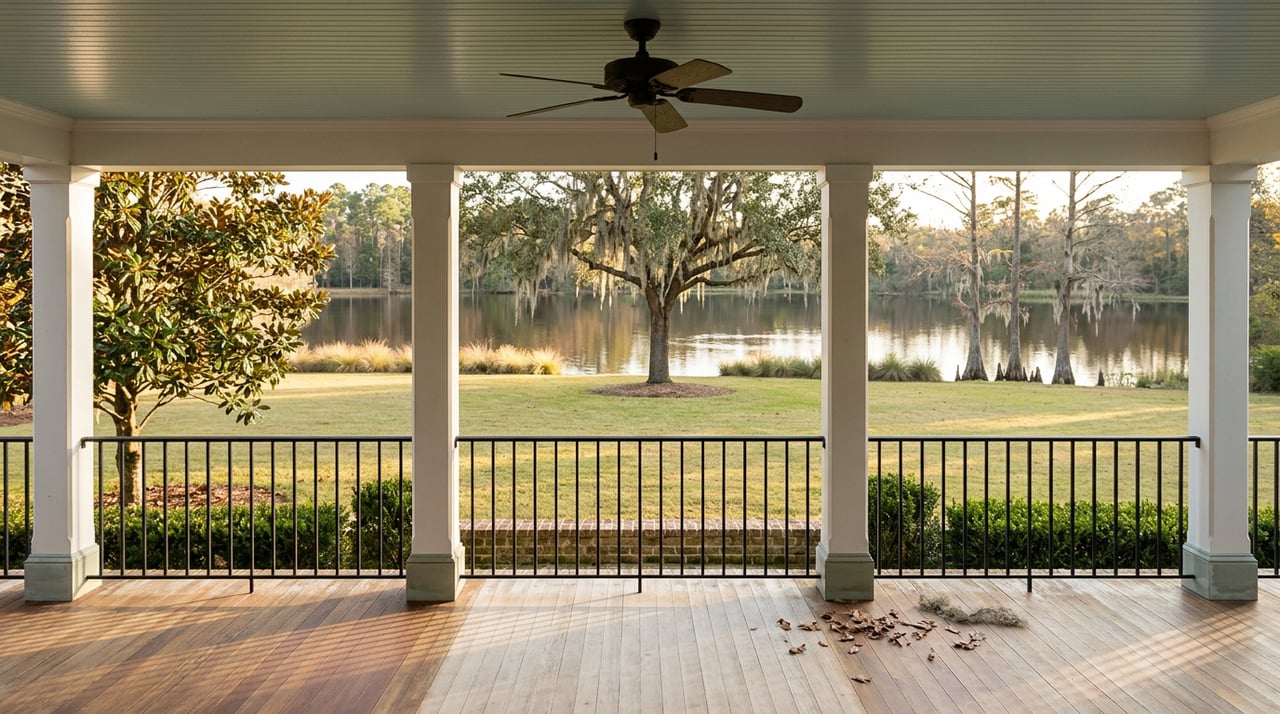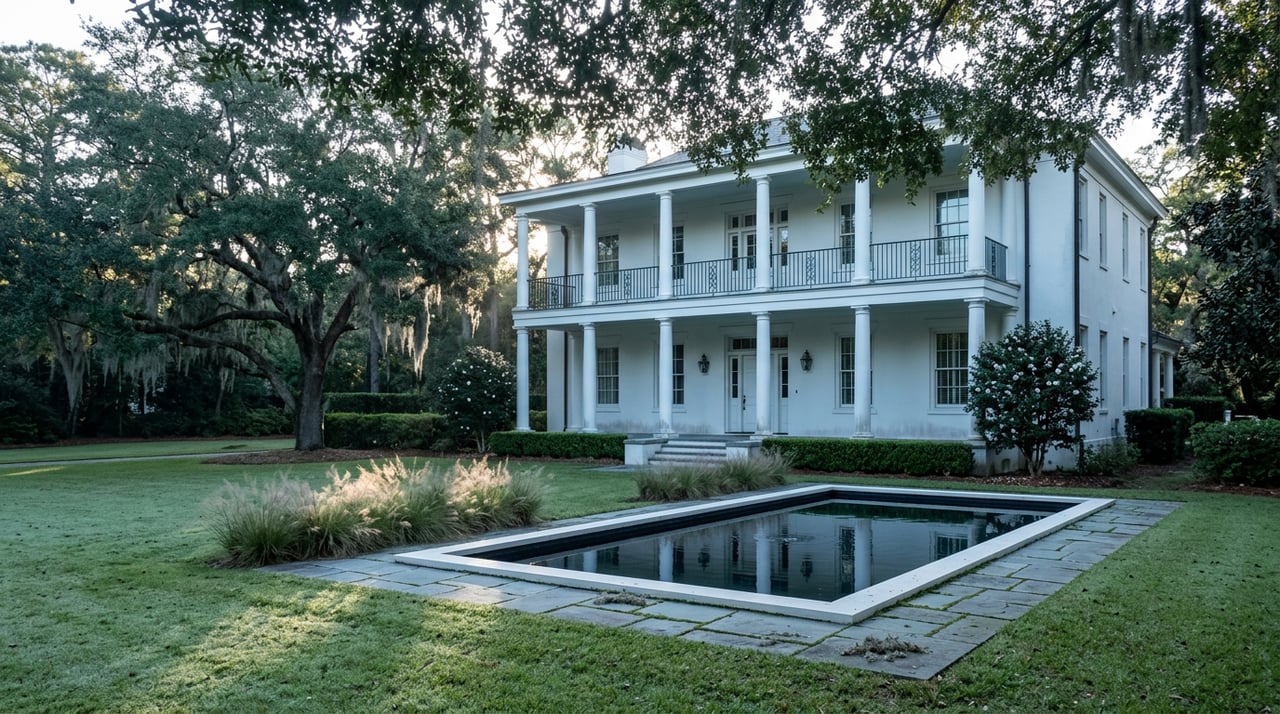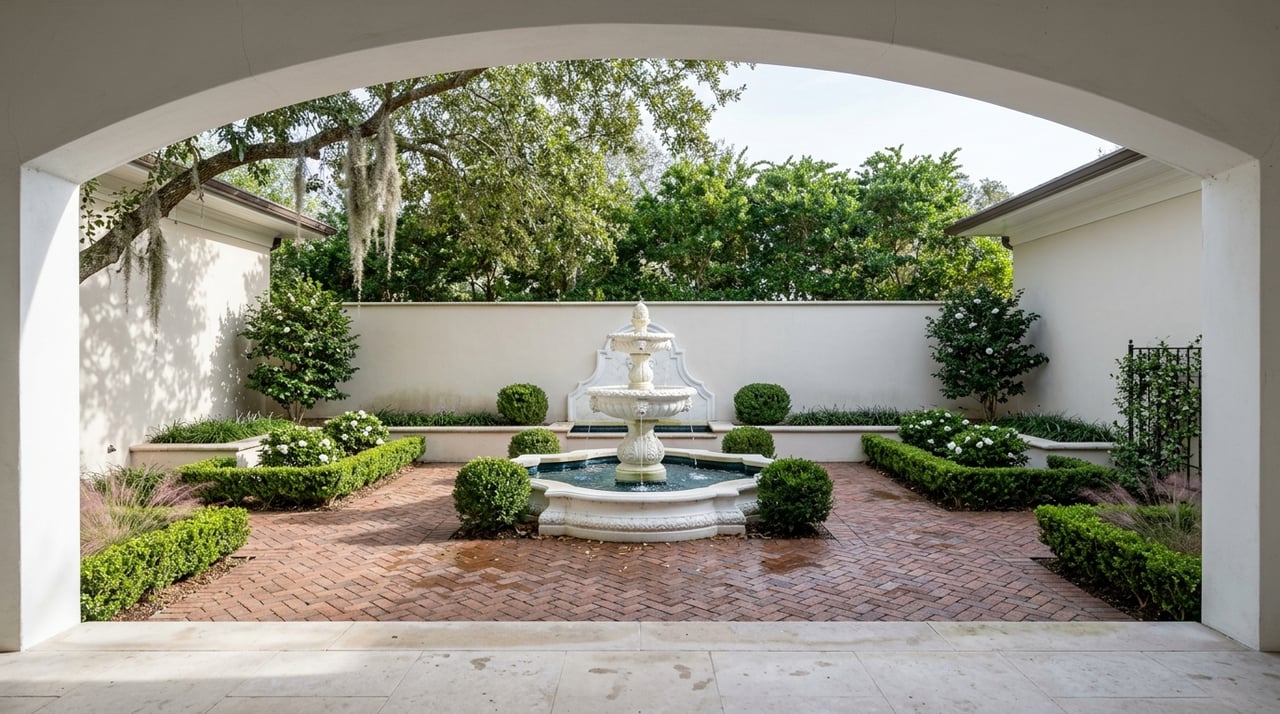
What does it take to sell a luxury home in Ford Field & River Club today? In a market that is growing but not moving at a frenzy, great results usually come from preparation, pricing, and presentation, not luck. If you are planning a move in the next 12 to 18 months, this guide will show you what luxury buyers are responding to in the Richmond Hill area and how a smart marketing plan can help your home stand out. Let’s dive in.
Why Ford Field marketing is different
Ford Field & River Club is not a typical neighborhood, so it should not be marketed like one. The community spans 1,800 acres of land and waterways along the Ogeechee River and includes five enclaves with about 400 residences and homesites.
That setting shapes the buyer appeal. Along with a private residential club environment, Ford Field offers amenities that include a deepwater marina, Pete Dye championship golf course, equestrian center, clubhouse, spa, sports barn, trails, and outdoor recreation, according to the community overview.
For many buyers, the value is not just inside the home. It is the combination of privacy, land, water, architecture, and club lifestyle that creates the opportunity.
Lifestyle sells the property
If your home is in Ford Field, square footage and bedroom count matter, but they are not the full story. The estate lots information highlights one to fifteen acres, scenic water views, natural surroundings, and room for architectural expression.
That means your marketing should lead with what makes the property feel rare. Acreage, privacy, river or lake orientation, outdoor living, and the connection to club amenities should all be part of the listing story.
Richmond Hill market conditions matter
Luxury marketing works best when it matches the market you are actually in. In Richmond Hill and ZIP code 31324, current data points to a market that is more balanced, and in some cases buyer-leaning, rather than overheated.
Realtor.com’s Richmond Hill overview reports a $460,000 median listing price, 49 median days on market, a 99% sale-to-list ratio, and classifies the area as a buyer’s market in February 2026. Other platforms show different figures, but the overall takeaway is similar: polished launches and disciplined pricing matter.
For sellers in Ford Field, this is important. In a market where buyers have options, luxury homes usually perform best when they enter the market fully prepared, clearly positioned, and priced against true estate-level competition.
Who is most likely to buy in Ford Field?
The likely buyer pool for a Ford Field home is often more experienced and financially strong than the average entry-level buyer. According to the National Association of Realtors 2025 buyer and seller report, all-cash purchases averaged 26% over the past year, and 54% of repeat buyers used proceeds from a previous home sale to help finance their next purchase.
That matters because experienced buyers often move quickly once they see the right fit. They also tend to compare properties based on lifestyle, condition, and overall value, not just list price.
Richmond Hill also benefits from location. The city is positioned just south of Savannah and offers convenient access to the broader coastal region, according to Visit Richmond Hill. For some buyers, that combination of privacy and regional access is a major part of the appeal.
Luxury marketing that works now
A luxury listing needs more than exposure. It needs a presentation strategy that helps the right buyer understand the home quickly and feel its value before they ever schedule a showing.
Start with premium visuals
Online presentation is no longer optional. The NAR online visibility report says 52% of buyers found the home they purchased online, and 81% rated listing photos as the most useful feature during their search.
For a Ford Field property, that supports a digital-first launch with strong photography and polished media from day one. A luxury buyer should be able to understand the home’s setting, scale, views, outdoor spaces, and design details before they ever visit in person.
This is where a full production approach matters. Professional photography, aerial drone video, and Matterport 3D tours can help communicate the property in a way standard marketing often cannot, especially on larger homesites or properties where orientation and surroundings add value.
Tell a sharper property story
Luxury buyers do not just buy features. They respond to a clear narrative about how the property lives.
That means your listing copy should connect the home to the lifestyle it offers. Instead of relying on long feature lists, the message should explain how the home uses land, captures views, supports entertaining, creates privacy, or connects to outdoor living and club amenities.
A Ford Field home with acreage near the golf course requires a different story than one with water orientation or equestrian adjacency. The strongest campaigns are tailored, not templated.
Use staging strategically
Staging can also play a major role in how buyers respond. The NAR 2025 staging snapshot found that 83% of buyers’ agents said staging made it easier for buyers to visualize a property as a future home.
For most luxury listings, that does not mean over-designing every room. It means helping key spaces feel intentional, open, and easy to understand, especially the living room, primary bedroom, and dining room, which were among the most commonly staged spaces in NAR’s report.
Highlight what buyers already want
NAR also reports that buyers are actively looking for energy-efficient upgrades, flexible spaces for home offices or guests, smart home features, and usable outdoor areas in their search behavior. Those details can be especially helpful in Ford Field, where larger homes often offer the flexibility buyers want.
If your property includes those elements, they should be presented clearly in both the visuals and the copy. The goal is to make the buyer’s decision easier by answering key questions before they ask.
Why the first week online matters
The first few days after your home goes live can have an outsized impact on the entire listing timeline. In a market where buyers are comparing carefully, a home that launches with weak photos, incomplete prep, or unclear pricing may lose momentum early.
Because 92.8% of Bryan County households subscribe to broadband internet, digital visibility should be treated as core marketing, not an extra. Buyers are online, and they are making quick judgments from the first impression they get.
That is why you want repairs, landscaping, staging, and media completed before launch. The goal is to protect your first week online and make sure the property enters the market looking polished, consistent, and worth close attention.
A smart timeline for sellers
If you are planning to sell in the next 12 to 18 months, starting early gives you more control. It allows time to improve condition, fine-tune pricing strategy, and build a marketing plan around the property’s strongest selling points.
Here is a practical framework:
12 to 18 months out
- Walk the property with a listing specialist
- Identify repairs, paint, and exterior maintenance needs
- Review landscaping, curb appeal, and outdoor entertaining areas
- Start organizing records for improvements and upgrades
6 to 12 months out
- Complete larger projects that may affect value or presentation
- Begin decluttering and simplifying storage areas
- Evaluate which rooms may benefit from staging or light redesign
- Discuss likely buyer positioning and timing strategy
30 days before launch
- Finish touch-ups and deep cleaning
- Complete staging
- Capture professional photography, drone media, and 3D tour assets
- Finalize pricing and listing copy
Launch week
- Release the home with complete media and polished messaging
- Make sure every image and detail supports the home’s price point
- Monitor early feedback and showing activity closely
Why local strategy matters
Bryan County continues to grow, with the county government noting it was the fastest growing county in Georgia in the 2020 census, while the U.S. Census figures shared by Bryan County estimate a July 2024 population of 51,105 and a median household income of $103,408. That growth supports long-term interest in the broader area, but every luxury community still has its own buyer pool and pricing dynamics.
Ford Field is one of those places where local positioning matters. A campaign that works for a suburban move-up home in Richmond Hill may not be the right campaign for a private club property with acreage and water access.
That is why seller representation should be both local and specific. You want a strategy built around how buyers evaluate luxury homes in this part of the coastal Georgia market, and a presentation that respects the property’s uniqueness.
The bottom line for Ford Field sellers
Selling in Ford Field takes more than putting a home online and waiting for the right buyer to appear. The homes that stand out are usually the ones with a clear pricing strategy, elevated visual presentation, strong digital launch, and messaging built around the lifestyle the property offers.
If you are thinking about selling in Richmond Hill or planning ahead for a Ford Field move, working with a team that understands premium presentation can make the process more focused and more effective. When you are ready for a tailored strategy, connect with The Oliver Group to start planning your next move.
FAQs
What makes Ford Field homes different from other Richmond Hill listings?
- Ford Field homes are often defined by acreage, privacy, water orientation, architectural freedom, and access to club amenities, which means they should be marketed as lifestyle properties rather than standard homes.
Why does the first week online matter for a Ford Field listing?
- Buyers often discover homes online first, and strong photos, complete prep, and polished pricing help create better early momentum when your listing first hits the market.
Who is the typical buyer for a luxury home in Ford Field?
- Many likely buyers are experienced, equity-rich purchasers who may be moving from another home, paying cash, or prioritizing lifestyle, privacy, and regional access near Savannah and the coast.
How far in advance should you prepare to sell a Ford Field home?
- If possible, start 12 to 18 months ahead so you have time for repairs, landscaping, staging, and a full marketing plan before the home goes live.
What marketing features matter most for selling a Ford Field property?
- High-quality photography, aerial drone video, Matterport 3D tours, clear lifestyle-focused copy, and strategic staging are some of the most important tools for presenting a luxury property effectively online.