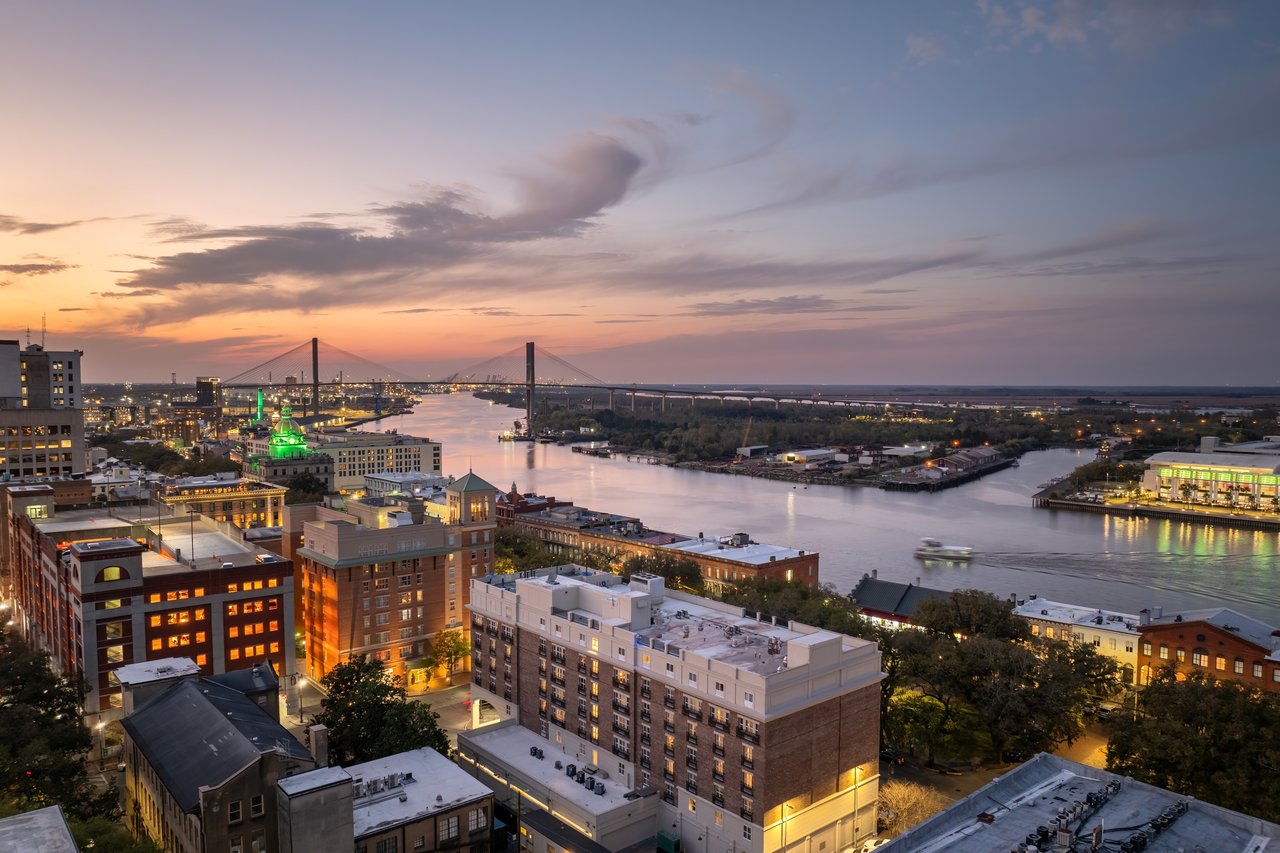
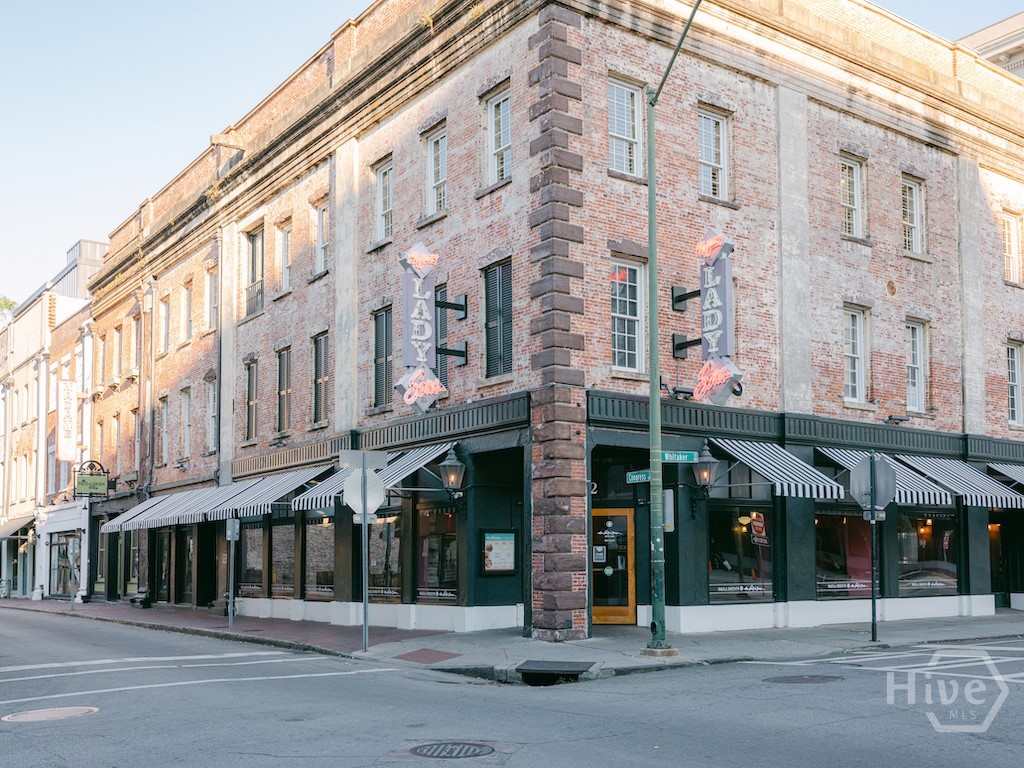
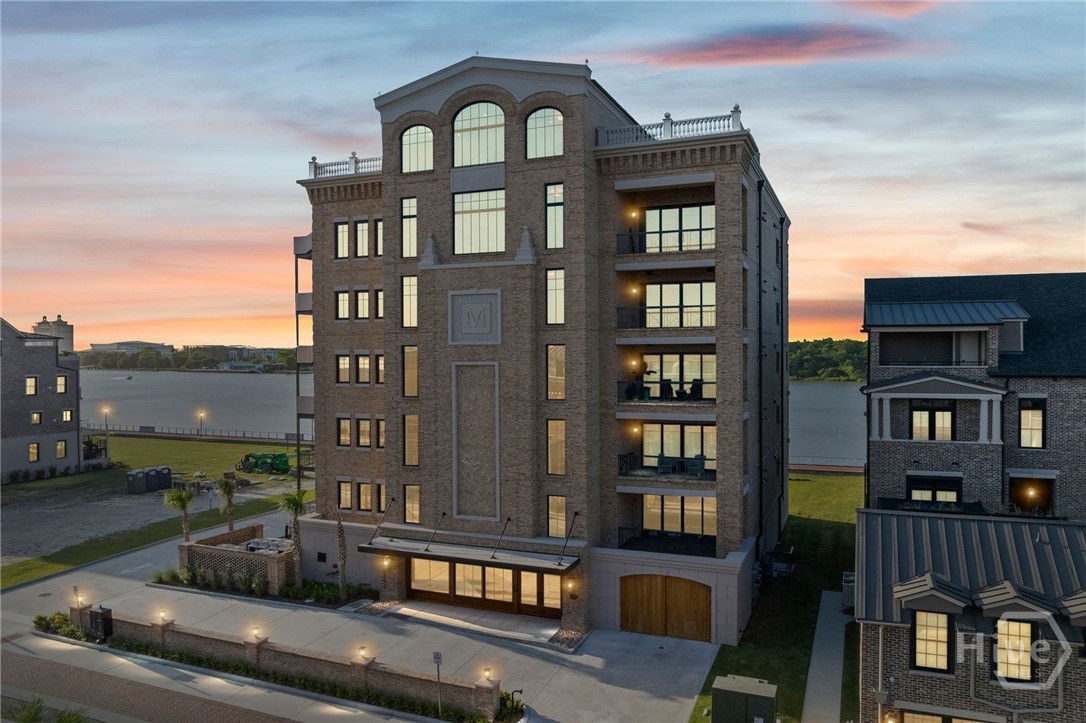
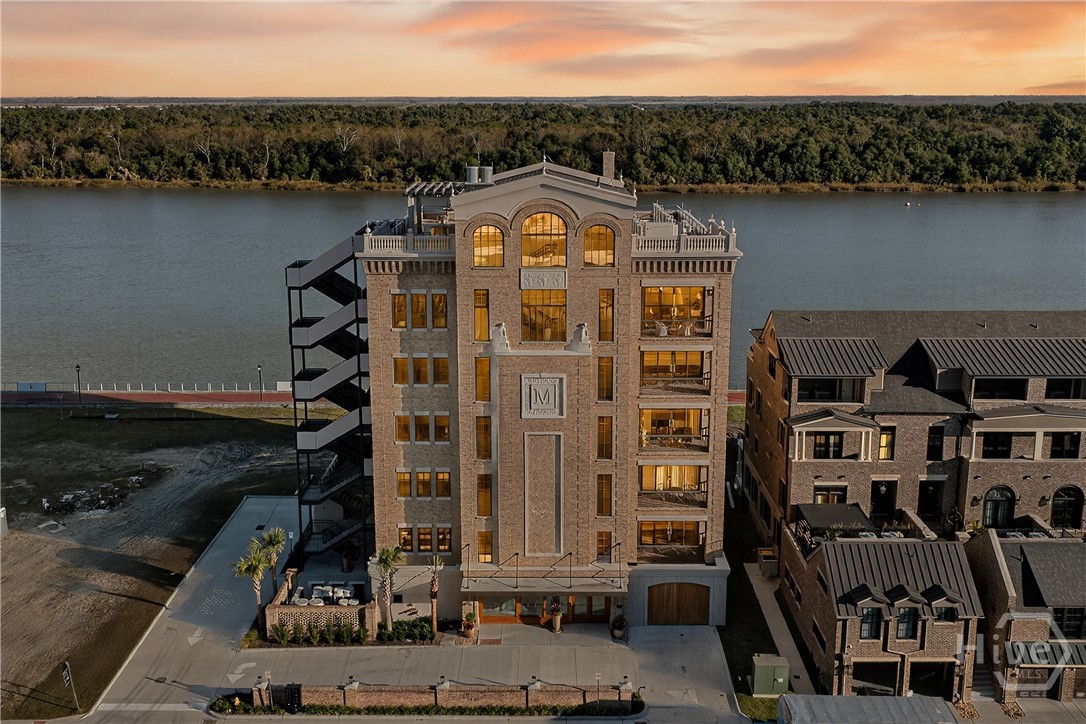
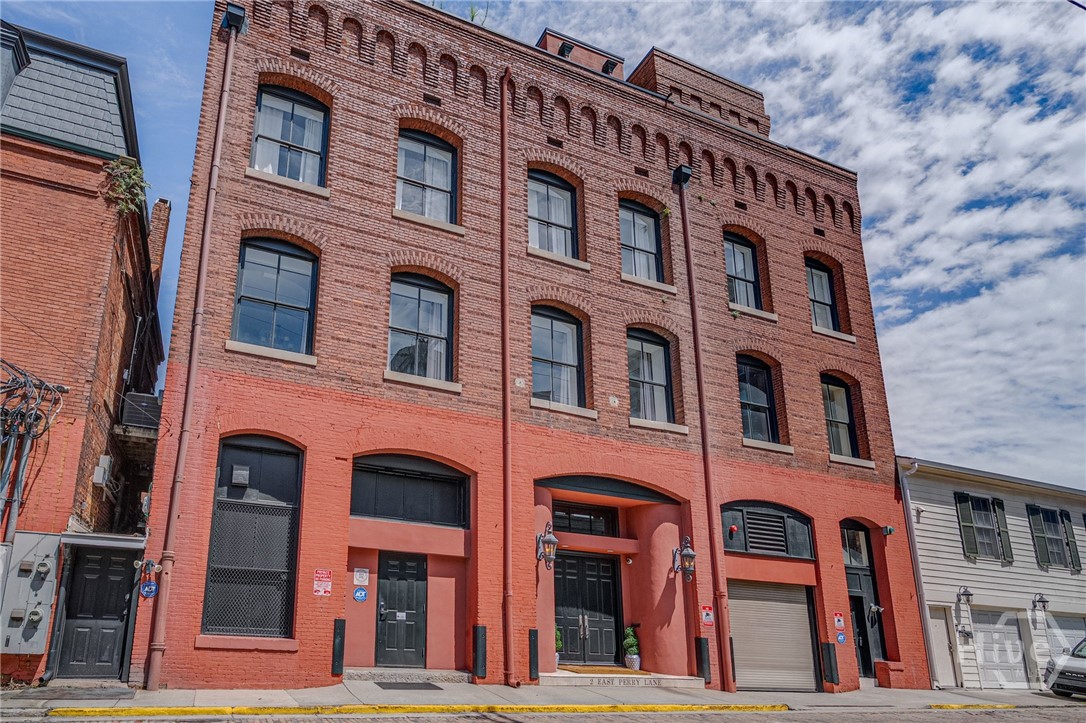
01 Historic Character
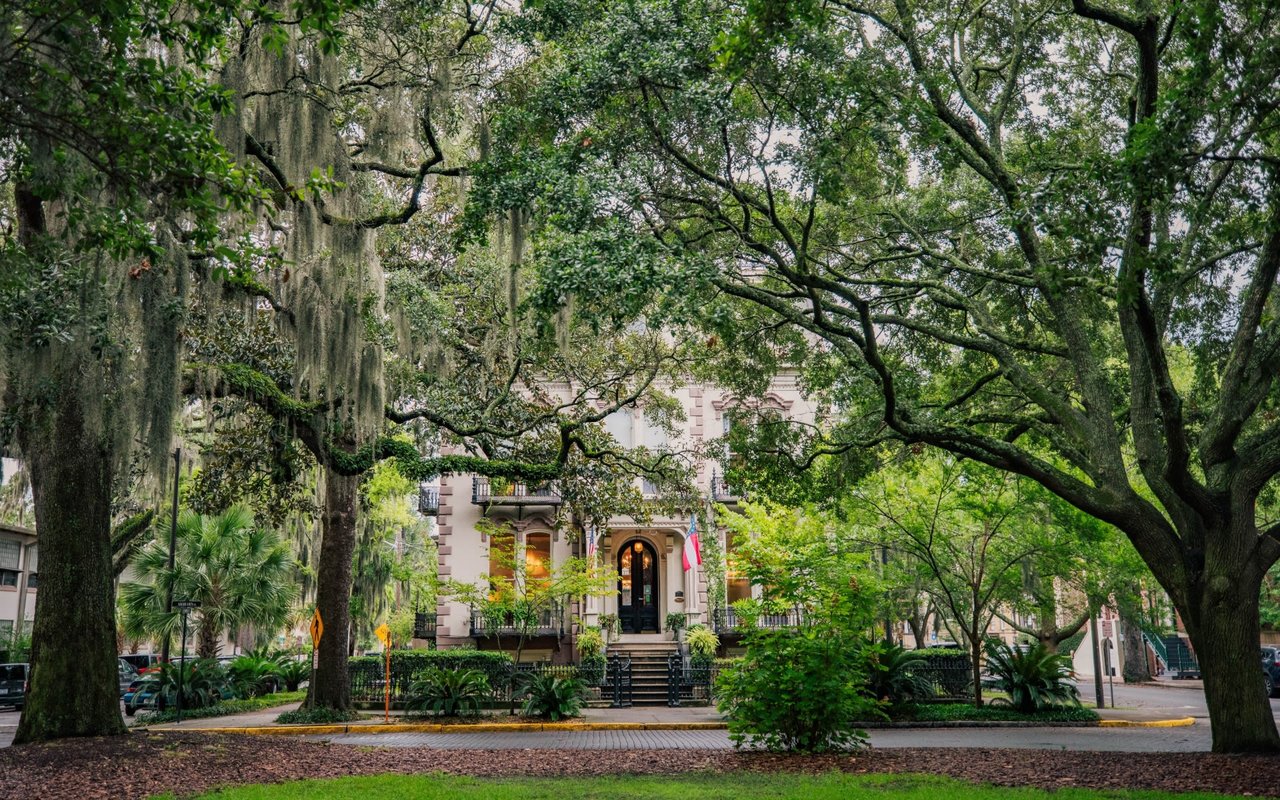
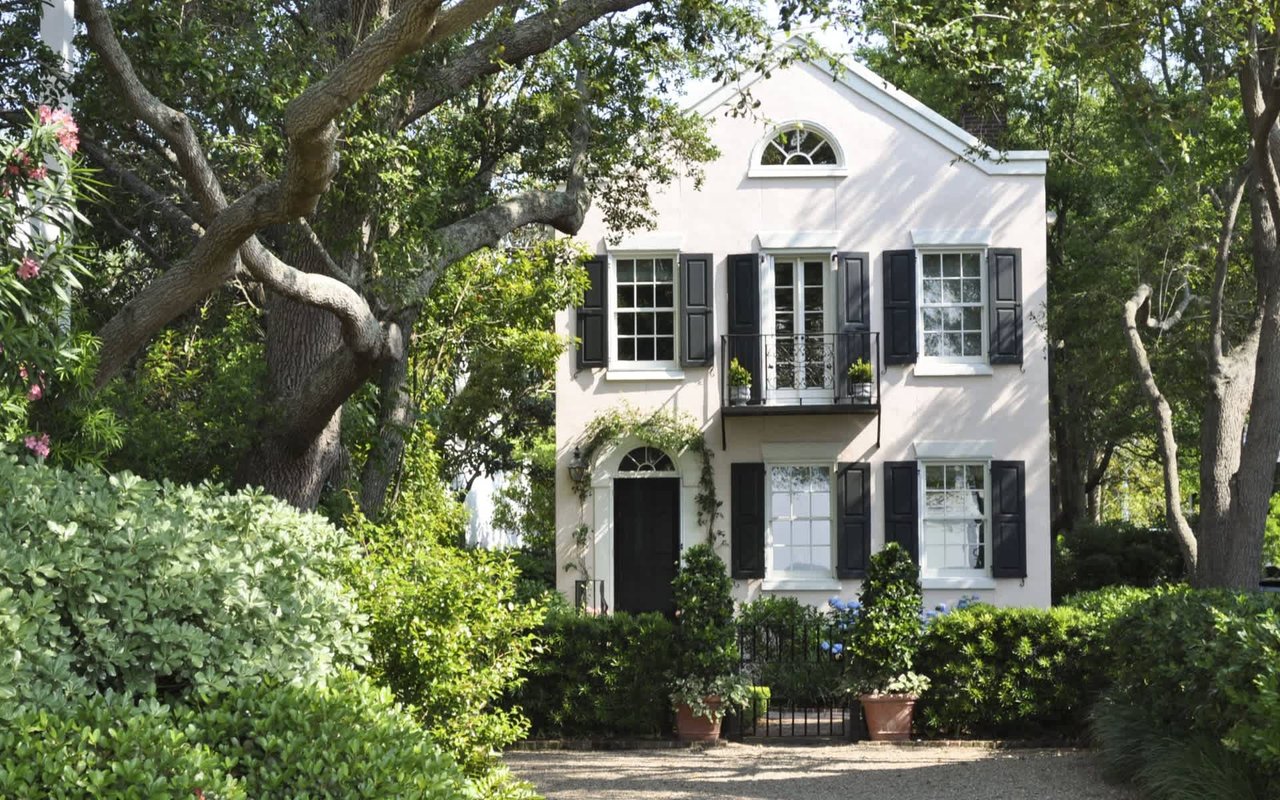
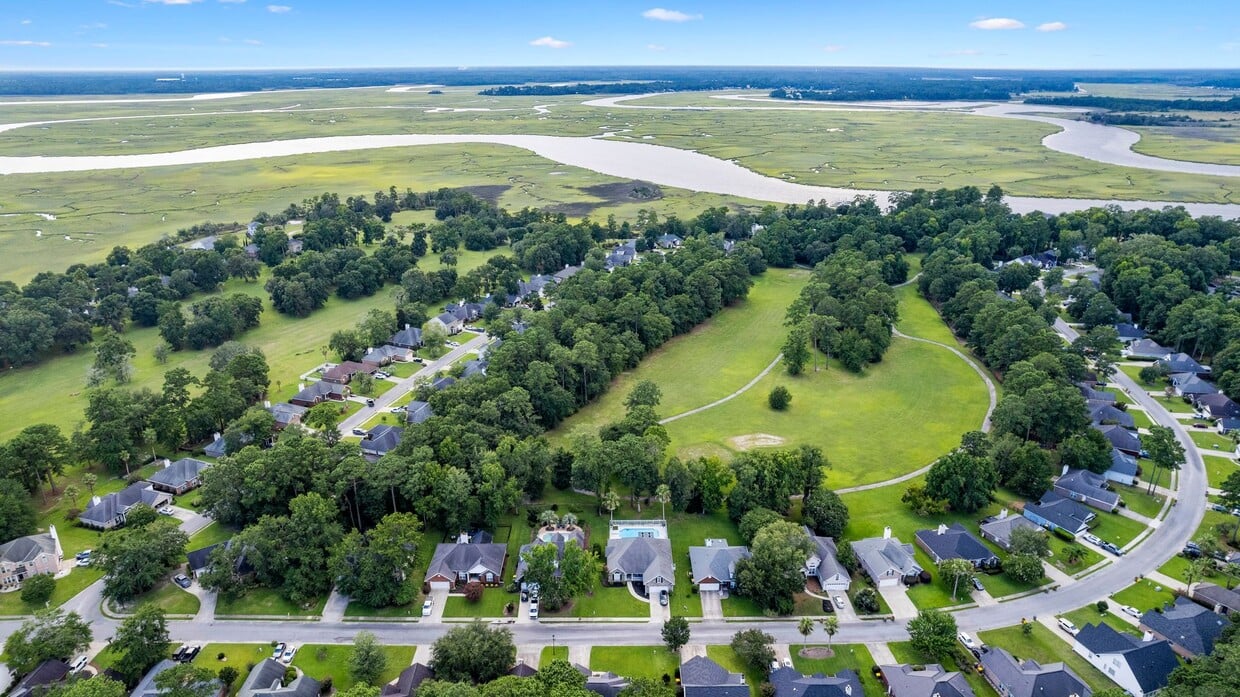
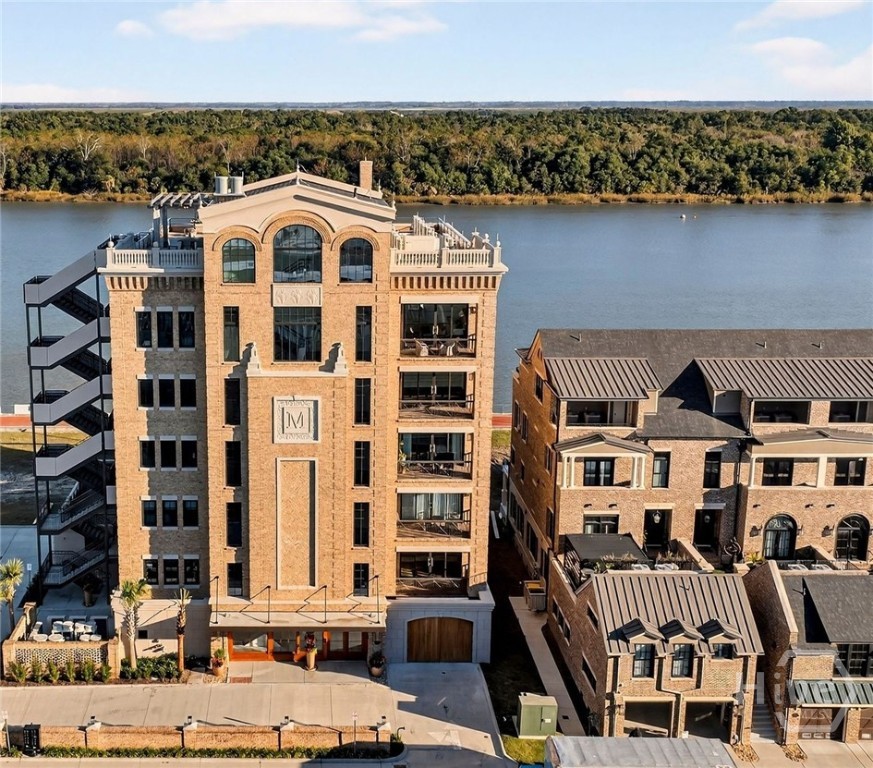
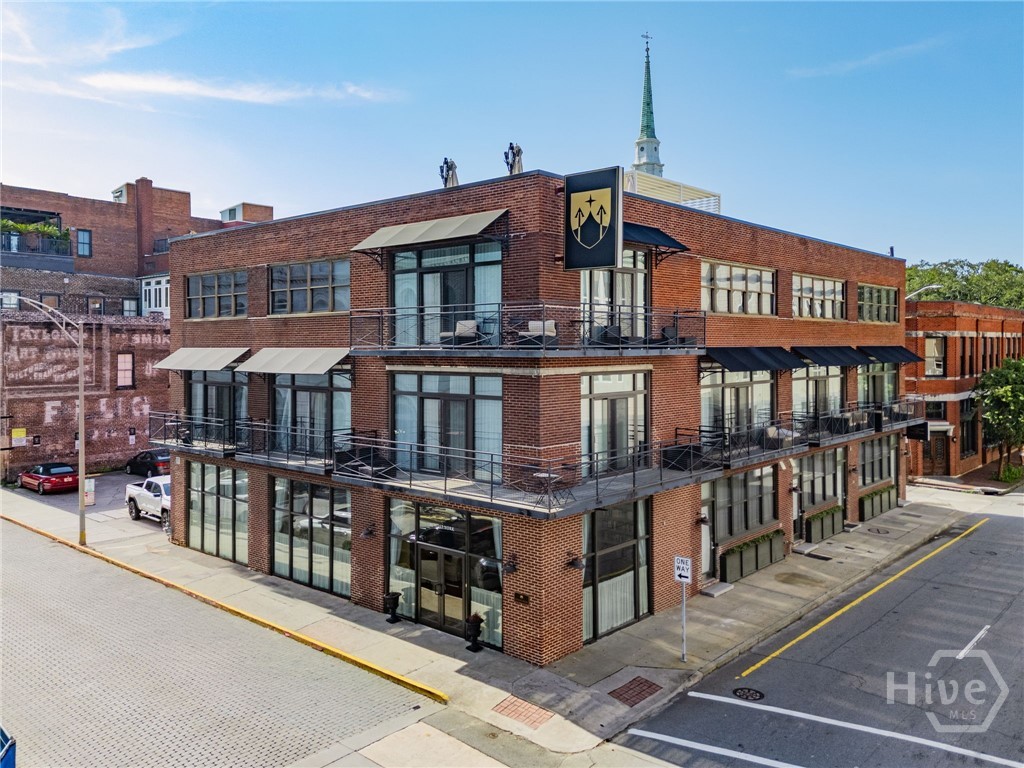
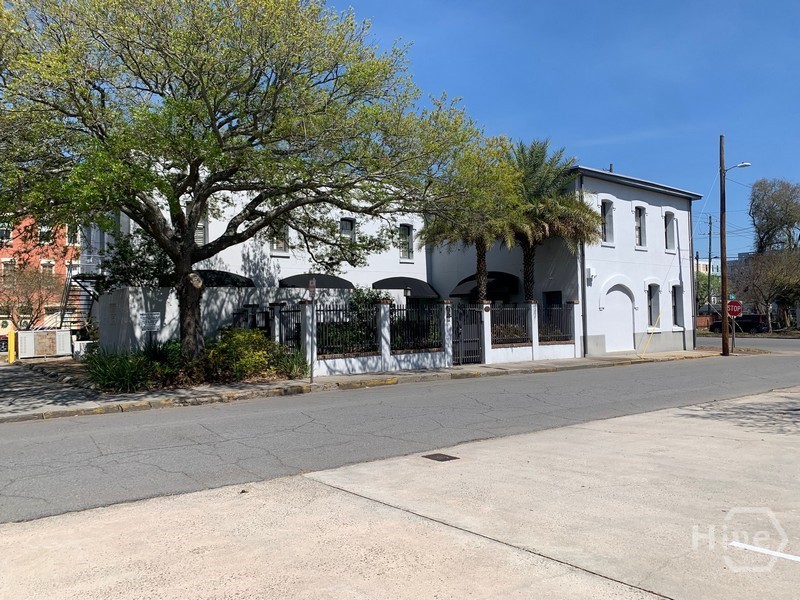
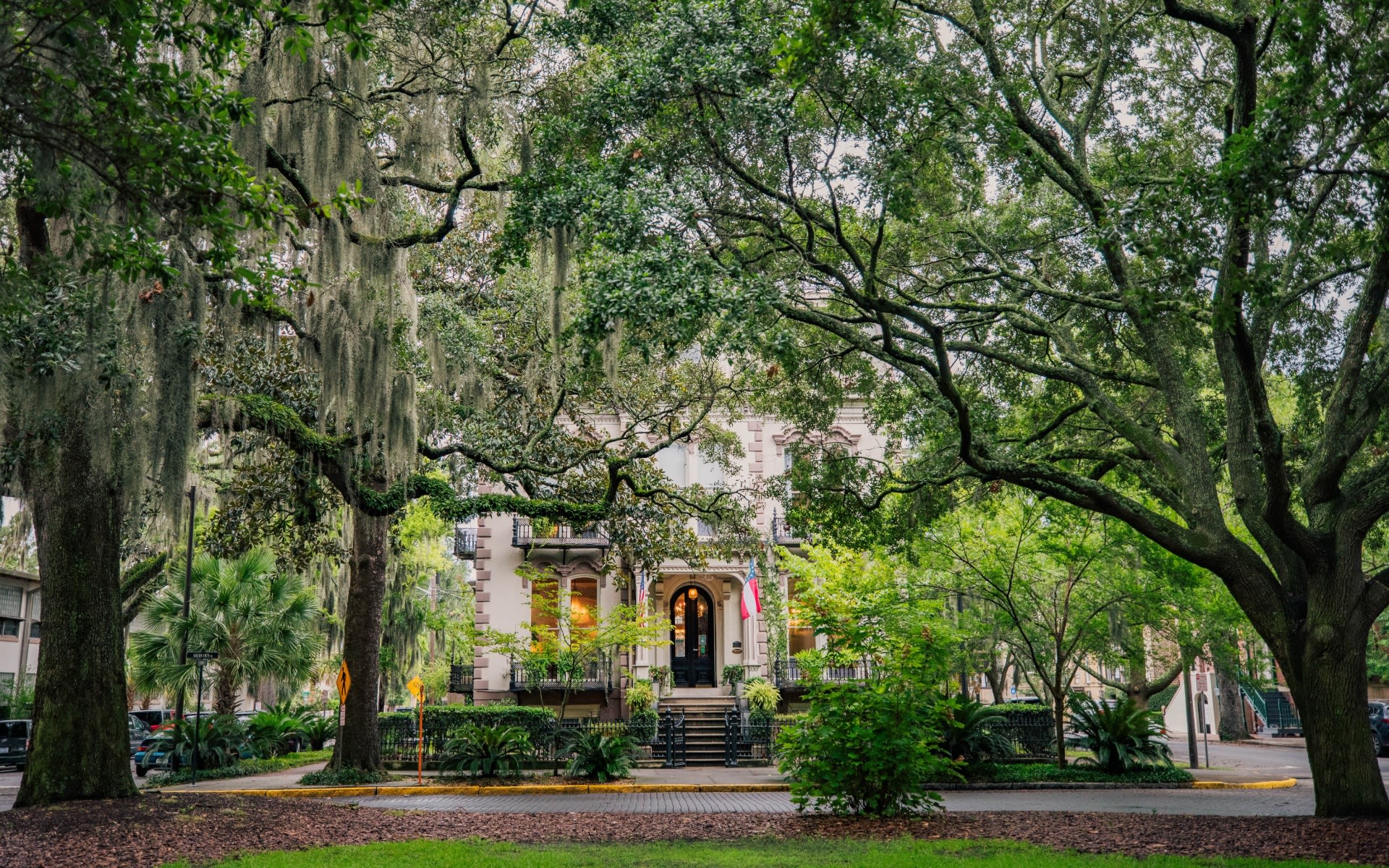
Architecture, public squares, mature trees, and established streetscapes shape central Savannah.
Savannah Neighborhood Guide
Savannah is a city experienced one street, square, and neighborhood at a time. Its historic center is known for graceful architecture, shaded public spaces, and an intimate urban scale, while surrounding districts introduce creative corridors, established residential streets, parks, and access to the wider coastal Georgia region.
Buyers can explore historic residences, townhomes, condominiums, bungalows, traditional single-family homes, and thoughtfully updated properties. The right location depends on more than the home itself. The surrounding streetscape, outdoor space, parking, property condition, and everyday destinations all deserve consideration.
Whether you are drawn to an in-town address, an established residential neighborhood, or convenient access to Savannah's nearby islands, understanding the city's distinct settings is the best place to begin.
01 Historic Character
Architecture, public squares, mature trees, and established streetscapes shape central Savannah.
02 Distinct Districts
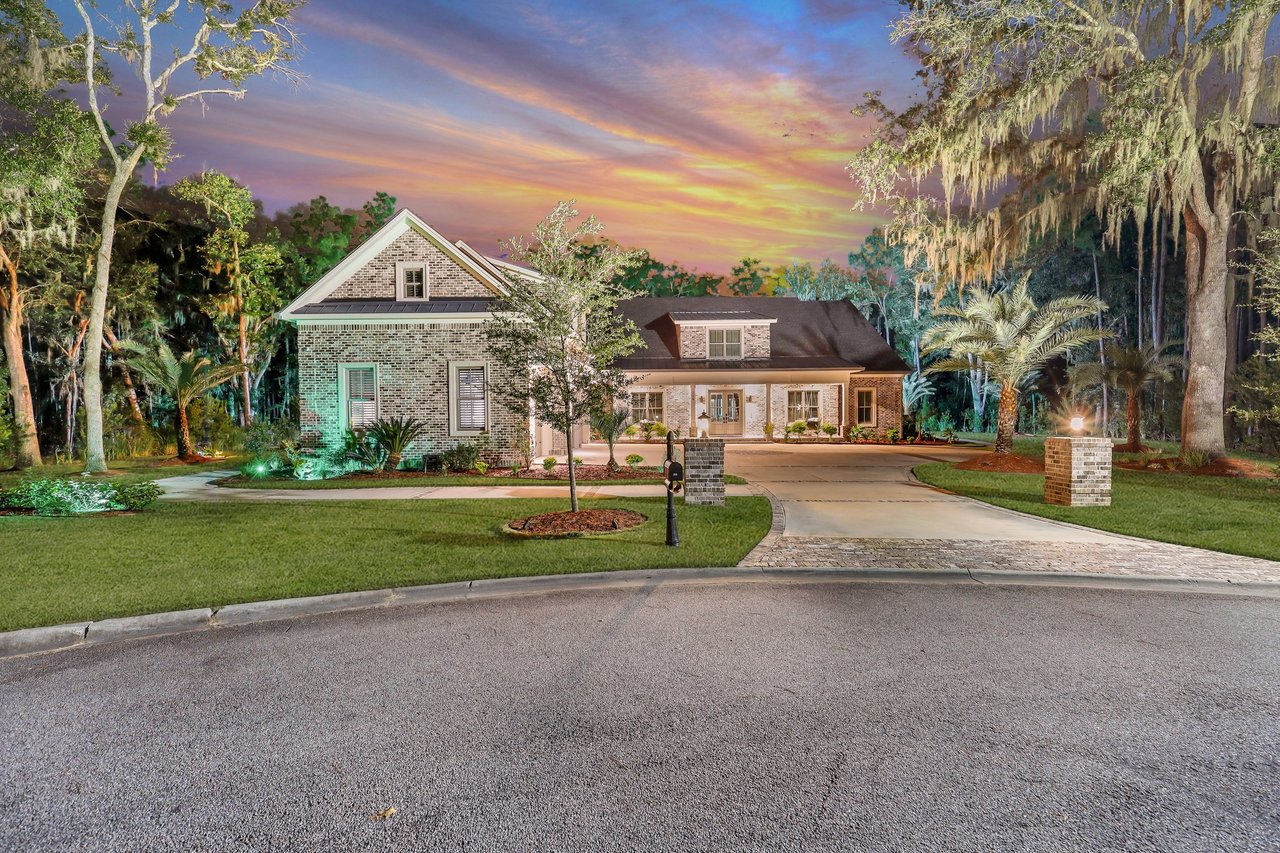
Historic, creative, Midtown, and Southside settings give buyers several ways to experience the city.
03 Parks & Squares
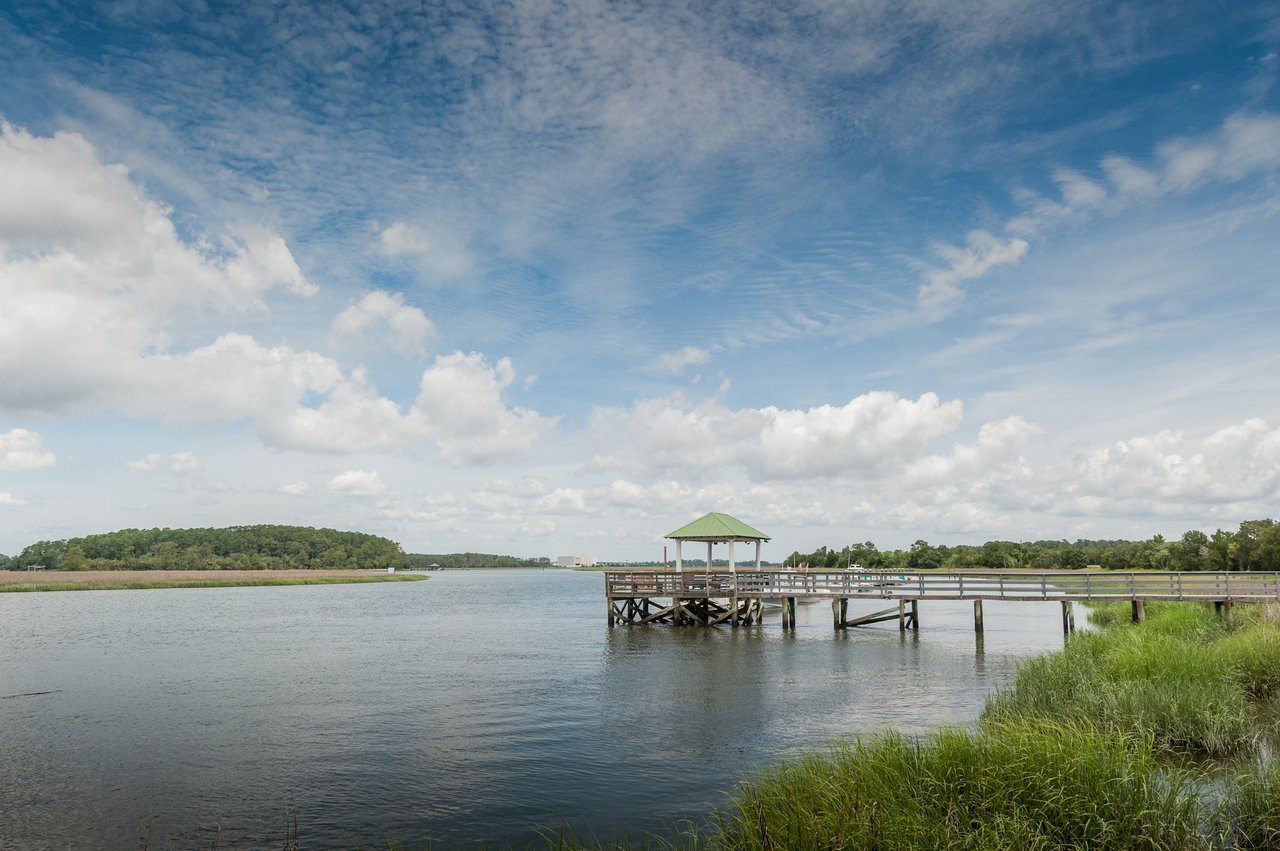
Historic squares, Forsyth Park, Daffin Park, and neighborhood green spaces support life outdoors.
04 Coastal Connections
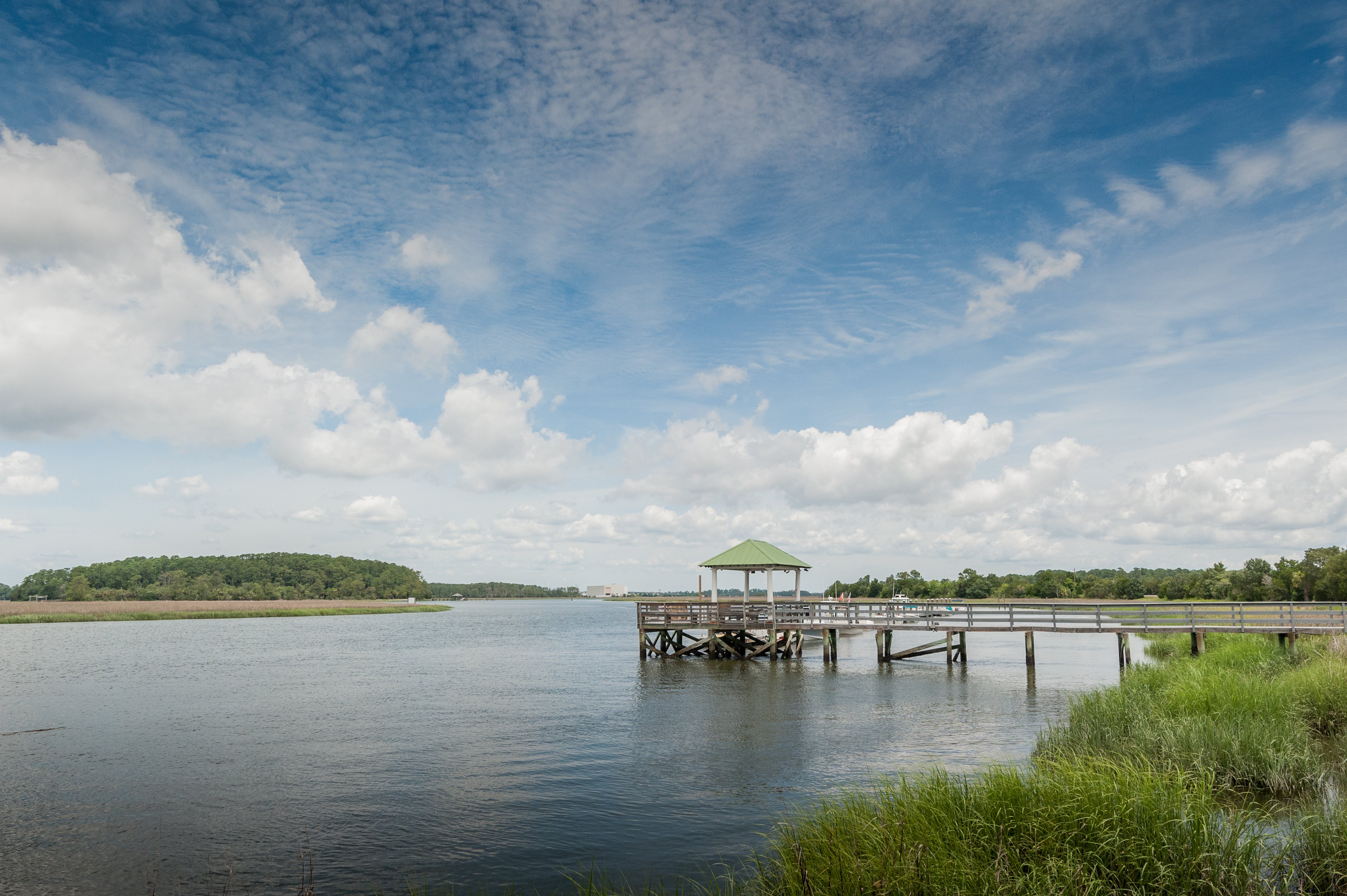
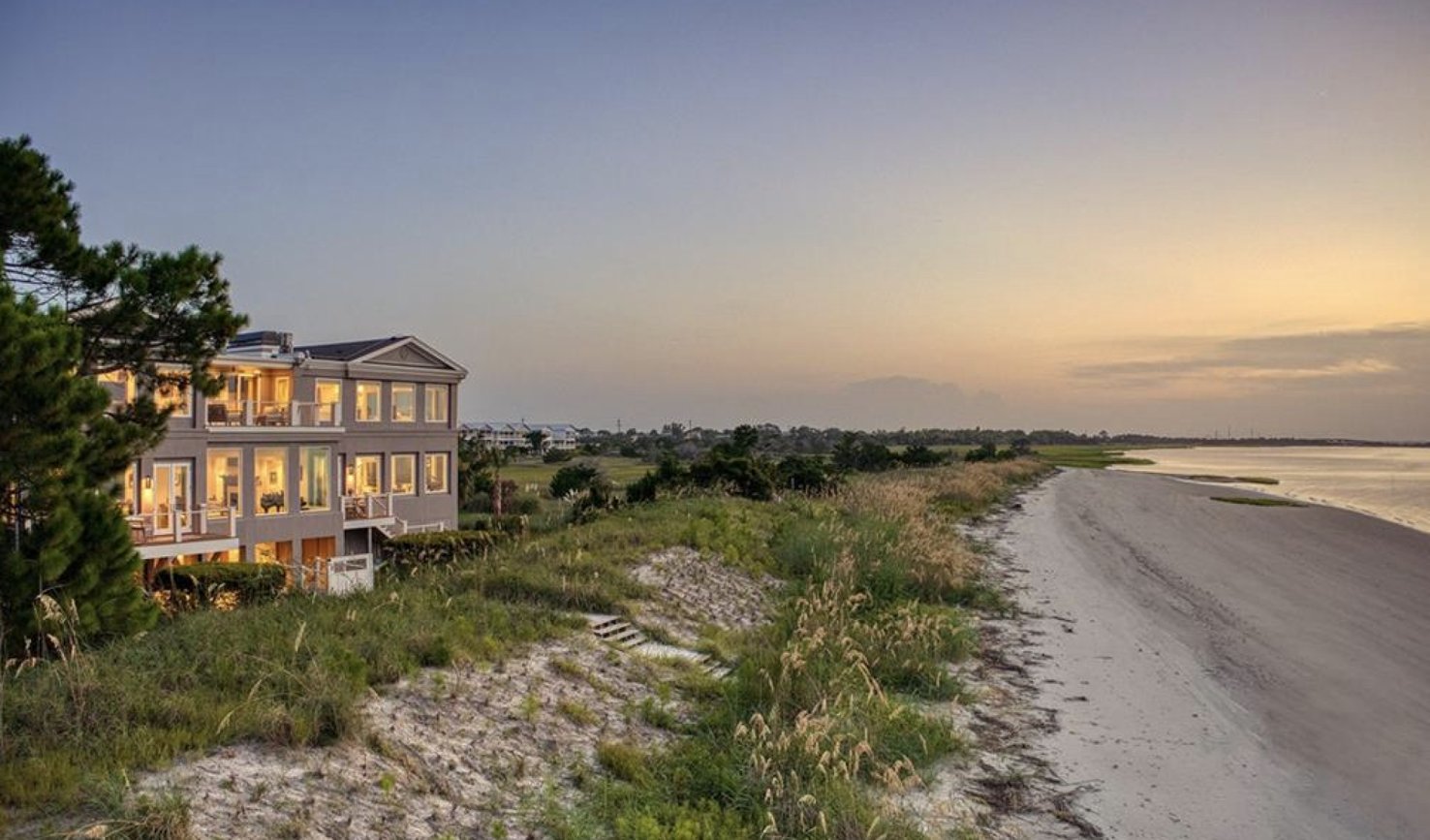
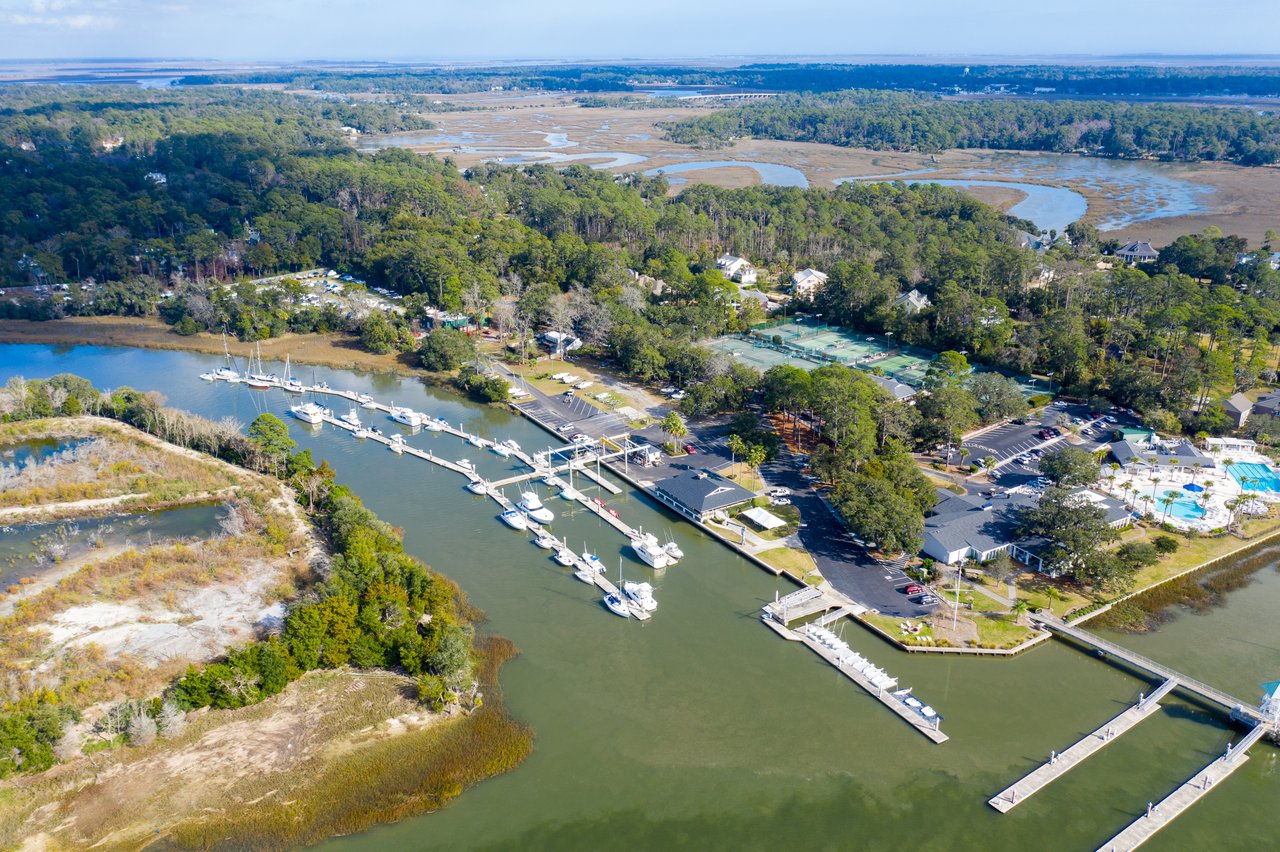
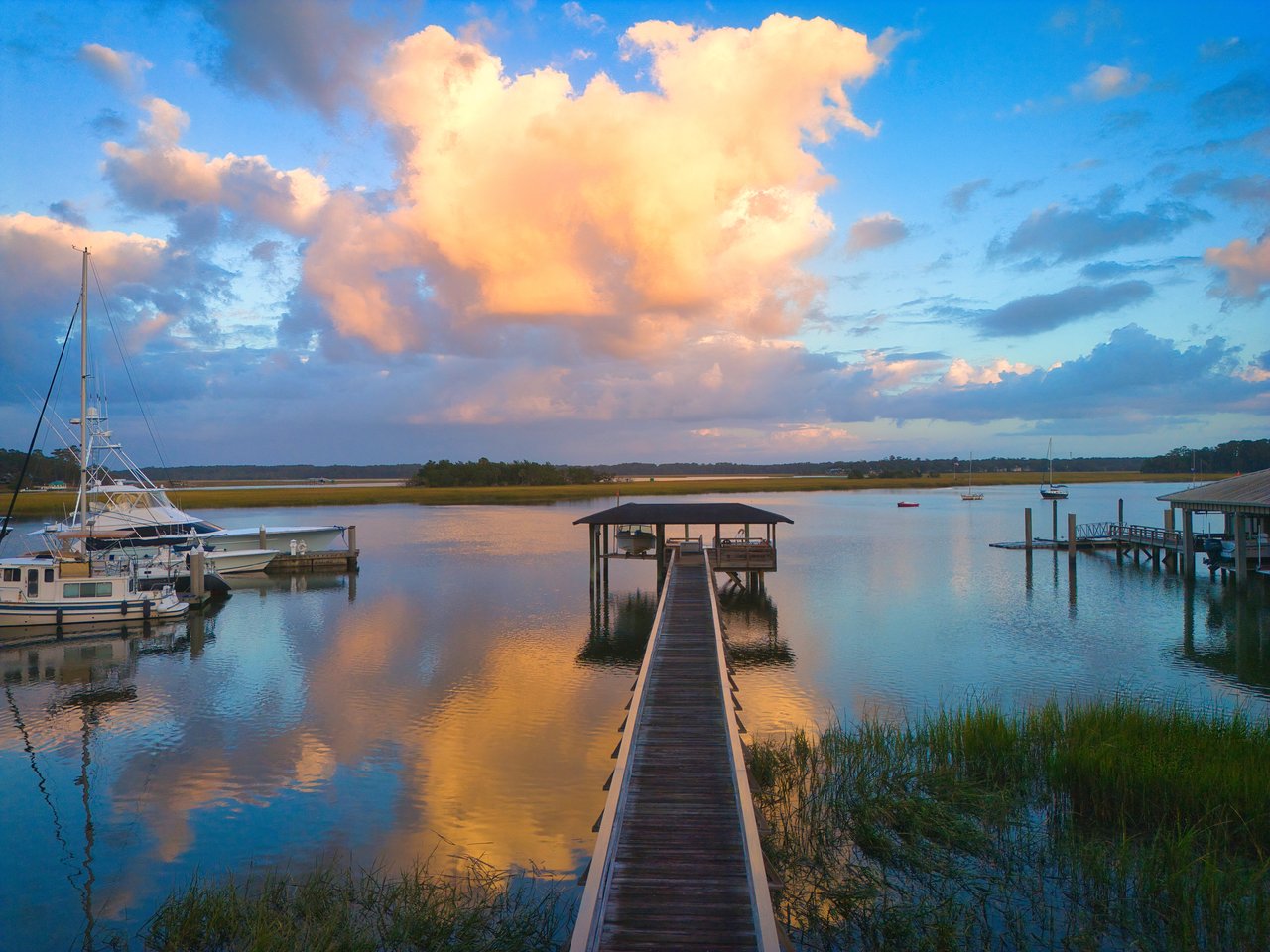
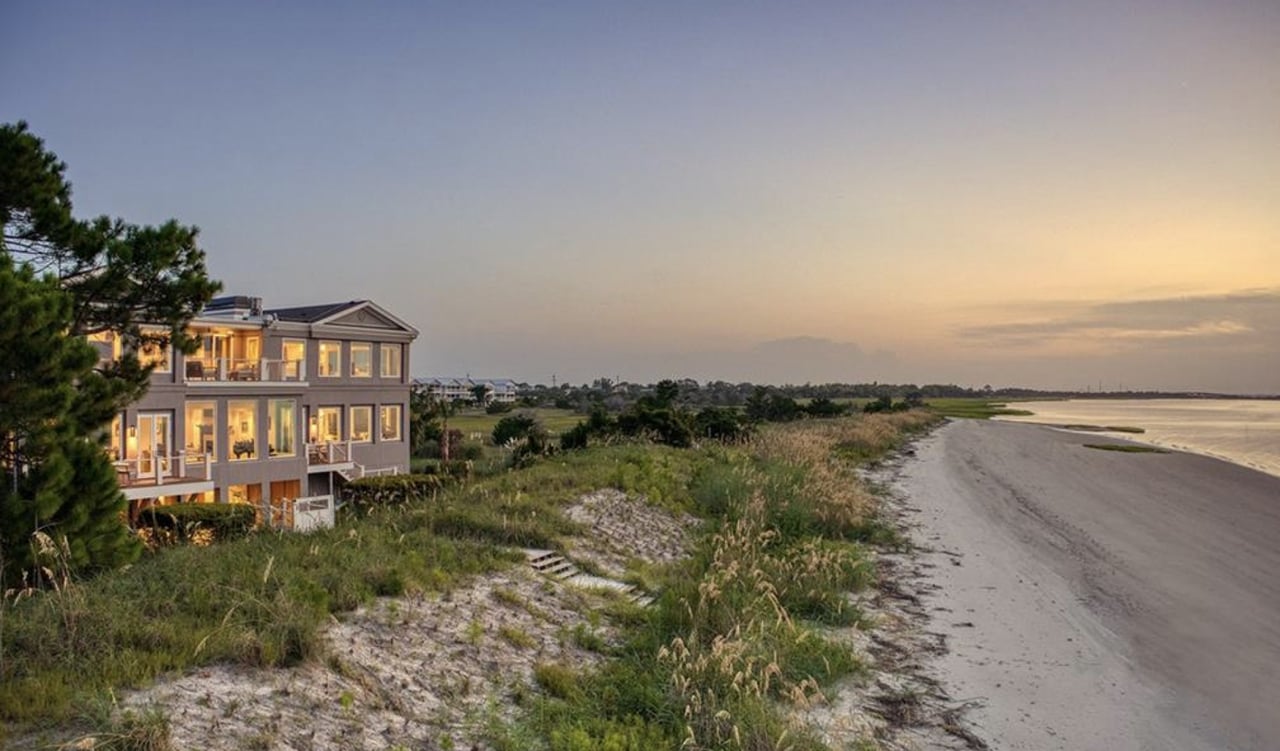
Residential islands, waterways, marsh scenery, and Tybee Island expand the Savannah lifestyle.
Savannah Character
Savannah is not one uniform neighborhood. The experience changes as you move from the historic center to creative in-town corridors, established residential districts, and the broader communities south of downtown.
01
The Historic and Victorian districts place architecture, public squares, cultural destinations, restaurants, and the riverfront within an unmistakably Savannah setting.
02
Starland and Thomas Square blend older homes with studios, independent businesses, restaurants, murals, and an evolving collection of local destinations.
03
Ardsley Park–Chatham Crescent and Midtown offer mature landscaping, neighborhood parks, varied architecture, and a more residential atmosphere outside the historic center.
04
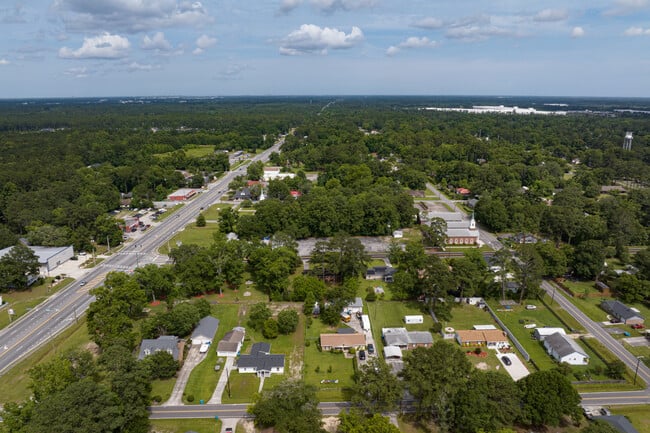
Southside Savannah expands the search with a wider mix of residential communities, home designs, shopping areas, services, and access routes.
Savannah at a Glance
These characteristics explain the variety buyers encounter across Savannah and why the exact neighborhood, street, and property matter as much as the city name.
Community
Savannah, Georgia
Regional Setting
Coastal Georgia and the greater Savannah area
Community Character
Historic urban districts, creative corridors, established residential neighborhoods, and broader suburban settings
Home Styles
Historic residences, townhomes, condominiums, bungalows, traditional homes, renovated properties, and newer construction
Key In-Town Areas
Historic District, Victorian District, Starland, Thomas Square, and Ardsley Park–Chatham Crescent
Broader Residential Areas
Midtown, Southside, and additional neighborhoods throughout Savannah
Outdoor Settings
Historic squares, Forsyth Park, Daffin Park, the riverfront, neighborhood parks, and nearby coastal destinations
Buyer Approach
Compare the property, immediate streetscape, architecture, parking, outdoor space, condition, access, and intended use
Savannah Architecture
Savannah's architecture is one of its defining qualities. Buyers may encounter historic residences with detailed craftsmanship, attached townhomes, intimate courtyards, early twentieth-century houses, bungalows, condominiums, and thoughtfully renovated interiors.
Property age and architectural character make careful comparison important. Two homes with similar size can differ considerably in condition, floor plan, systems, renovation quality, parking, outdoor space, natural light, and ongoing maintenance needs.
01
Historic Residences
Review architectural details, floor plan, fireplaces, windows, materials, major systems, and previous improvements.
02
Townhomes & Condominiums
Compare parking, outdoor space, building access, common areas, fees, maintenance responsibilities, and property-specific rules.
03
Bungalows & Traditional Homes
Established residential areas may offer porches, mature landscaping, varied lot sizes, and layouts from several periods.
04
Updated Properties
Examine the scope, quality, documentation, materials, and consistency of renovations rather than relying on finishes alone.
Buyer Perspective
Neither setting is universally better. The more useful question is which surroundings best support the architecture, daily routine, space, access, and property experience you want.
Historic architecture, public squares, active streets, and a closer relationship with cultural destinations.
Established residential roads, neighborhood parks, broader commercial corridors, and varied community layouts.
Historic residences, townhomes, condominiums, courtyards, and renovated older properties.
Bungalows, traditional homes, condominiums, townhomes, and properties from several development periods.
Closer access to squares, restaurants, galleries, museums, parks, and riverfront destinations.
A more residential setting with practical access to shopping, services, parks, and major routes.
Parking, outdoor space, historic condition, renovation history, and immediate street activity can be especially important.
Lot design, neighborhood access, property condition, home age, nearby services, and regular travel patterns deserve comparison.
Study the exact block and individual property rather than relying only on the district name.
Compare specific neighborhoods because the broader Midtown and Southside labels include varied settings.
Where to Begin
The best starting point is the type of environment you want around the home. Savannah's districts offer different combinations of architecture, activity, green space, local businesses, and access to everyday destinations.
Neighborhood names provide a useful introduction, but the experience can still change from one street to the next. A focused search should consider both the broader district and the property's immediate surroundings.
01
Historic & Victorian Districts
Begin here for historic architecture, public squares, Forsyth Park, and a distinctly in-town experience.
02
Starland & Thomas Square
Explore these areas for creative energy, local businesses, restaurants, public art, and established homes.
03
Ardsley Park & Midtown
Consider these areas for mature landscaping, neighborhood parks, architectural variety, and residential character.
04
Southside Savannah
Expand the search for broader residential choices, shopping, services, and access to different parts of the city.
Life in Savannah
Choosing a Savannah home also means choosing the places, routes, and surroundings that will become part of your everyday routine.
01 Squares & Parks
Historic squares, Forsyth Park, Daffin Park, and neighborhood green spaces create places to walk, gather, and enjoy the city outdoors.
02 Dining & Local Business
Restaurants, cafés, boutiques, and independent businesses are woven through the historic center, Starland, Midtown, and other corridors.
03 Arts & Culture
Galleries, studios, design, public art, museums, and cultural institutions contribute to Savannah's creative identity.
04 River & Coast
The Savannah River shapes downtown, while nearby waterways, residential islands, marsh landscapes, and Tybee Island extend the coastal lifestyle.
Coastal Georgia Context
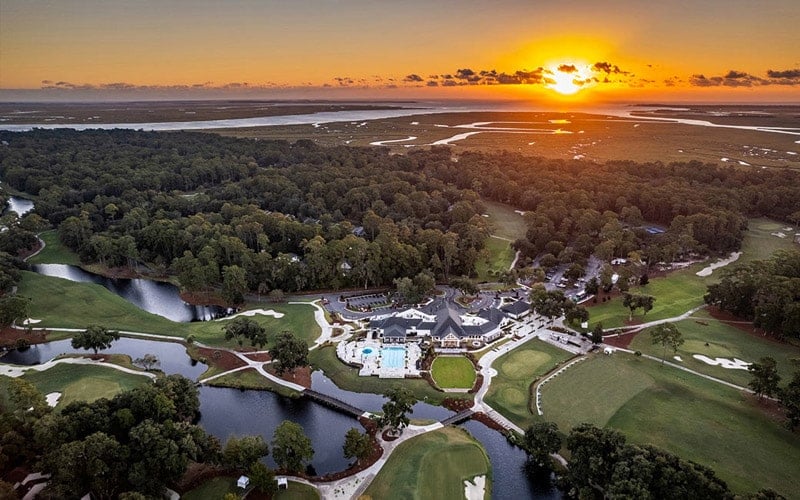
Savannah provides historic, creative, and established residential environments, but some buyers may prefer a more distinctly island, waterfront, private, or beach-oriented setting.
Comparing Savannah with nearby communities can clarify whether an in-town address, residential island, gated environment, or barrier island lifestyle is the stronger fit.
Compare Coastal Georgia
Each community offers a different relationship with Savannah, waterways, neighborhood amenities, privacy, and the coast. Explore the individual guides before deciding where to focus your search.
Buying in Savannah
Two Savannah properties with similar size can offer very different ownership experiences. The property's history, condition, immediate streetscape, parking, outdoor areas, and ongoing maintenance all deserve careful review.
Everyday Savannah
Savannah's appeal extends beyond its architecture. Parks, restaurants, local businesses, cultural destinations, healthcare, services, and access to coastal recreation all shape the experience of living here.
Daily convenience can differ substantially between downtown, Starland, Ardsley Park, Midtown, Southside, and the nearby islands. Buyers should compare real routes and regular destinations for each property.
01
Parks & Outdoor Life
Historic squares, city parks, neighborhood green spaces, waterways, and nearby coastal destinations provide varied outdoor settings.
02
Dining & Shopping
Local restaurants and businesses are distributed across downtown, Starland, Midtown, Southside, and surrounding communities.
03
Arts & Culture
Museums, galleries, public art, live events, design, and Savannah's historic environment contribute to the city's cultural identity.
04
Daily Access
Compare actual travel patterns to work, healthcare, schools, shopping, the airport, recreation, and other frequent destinations.
Savannah Property Search
Savannah's housing options vary by district, architectural period, property type, renovation history, and immediate surroundings. Available listings provide a starting point, but a focused search should go beyond price, bedroom count, and square footage.
Buyers should compare property condition, major systems, parking, outdoor space, location details, maintenance expectations, and how each home supports the way they plan to live.

Oliver Group Local Guidance
As a Savannah native who grew up on Wilmington Island, Nicholas Oliver brings local familiarity and more than a decade of real estate experience to each property search.
Nicholas and the Oliver Group help buyers compare Savannah homes based on neighborhood setting, architecture, renovation history, condition, parking, outdoor space, daily access, coastal considerations, and the alternatives available throughout the surrounding area.
For relocating buyers, the process can also include comparing Savannah's in-town districts with Midtown, Southside, Wilmington Island, Isle of Hope, Skidaway Island, and other nearby communities.
Savannah Questions
A closer look at Savannah's districts, architecture, lifestyle, coastal setting, and the factors buyers should compare before choosing a home.
Savannah combines historic architecture, public squares, parks, cultural destinations, restaurants, creative districts, established residential neighborhoods, and access to coastal Georgia.
Buyers can compare historic in-town districts, creative areas such as Starland and Thomas Square, tree-lined neighborhoods such as Ardsley Park–Chatham Crescent, established Midtown streets, and communities throughout Southside Savannah.
The Historic and Victorian districts are natural starting points for buyers interested in older architecture. Historic and early twentieth-century homes can also be found in other established Savannah areas.
Downtown and the surrounding historic districts provide closer access to squares, the riverfront, architecture, dining, and cultural destinations. Midtown generally offers a more residential setting connected to everyday city services.
Buyers should review major systems, roof, windows, exterior materials, renovation history, drainage, parking, outdoor space, maintenance needs, documentation, and the immediate property setting.
Compare the residence, parking, outdoor space, building condition, common areas, fees, reserves, insurance, maintenance responsibilities, property rules, and supporting documents.
Savannah offers historic, urban, creative, and established residential environments. Nearby islands offer different combinations of residential character, privacy, water access, community amenities, and coastal proximity.
Review the individual property's elevation, flood-zone information, drainage, insurance considerations, exterior materials, maintenance history, and proximity to waterways.
No. Access to dining, parks, shops, cultural destinations, and services varies by district and exact address. Buyers should evaluate the routes and destinations that matter to their routine.
Current listings are displayed on this community page. Buyers can also visit the Savannah real estate page to continue exploring available properties and dedicated property-type searches.
Yes. Nicholas Oliver and the Oliver Group can help compare Savannah with Wilmington Island, Isle of Hope, Dutch Island, Skidaway Island, Tybee Island, Pooler, Richmond Hill, and other nearby communities.
Your Savannah Search
Tell the Oliver Group what matters most—historic architecture, a creative district, tree-lined residential streets, outdoor space, convenient access, coastal surroundings, or proximity to Savannah's nearby islands. A focused search starts with understanding both the property and the lifestyle you want around it.
147,546 people live in Savannah, where the median age is 33.7 and the average individual income is $32,004. Data provided by the U.S. Census Bureau.
Total Population
Median Age
Population Density Population Density This is the number of people per square mile in a neighborhood.
Average individual Income
There's plenty to do around Savannah, including shopping, dining, nightlife, parks, and more. Data provided by Walk Score and Yelp.
Explore popular things to do in the area, including All American Liquor, Star Beans Coffee Roaster, and Legacy Brand Makeup Artistry & Cosmetics.
| Name | Category | Distance | Reviews |
Ratings by
Yelp
|
|---|---|---|---|---|
| Dining | 1.66 miles | 7 reviews | 4.3/5 stars | |
| Dining | 1.68 miles | 4 reviews | 5/5 stars | |
| Beauty | 0.74 miles | 0 reviews | 0/5 stars | |
| Beauty | 0.74 miles | 0 reviews | 0/5 stars | |
| Beauty | 1.5 miles | 0 reviews | 0/5 stars | |
| Beauty | 1.69 miles | 3 reviews | 1/5 stars | |
|
|
||||
|
|
||||
|
|
||||
|
|
||||
|
|
||||
|
|
Savannah has 58,632 households, with an average household size of 2.35. Data provided by the U.S. Census Bureau. Here’s what the people living in Savannah do for work — and how long it takes them to get there. Data provided by the U.S. Census Bureau. 147,546 people call Savannah home. The population density is 1,360 and the largest age group is Data provided by the U.S. Census Bureau.
Total Population
Population Density Population Density This is the number of people per square mile in a neighborhood.
Median Age
Men vs Women
Population by Age Group
0-9 Years
10-17 Years
18-24 Years
25-64 Years
65-74 Years
75+ Years
Education Level
Total Households
Average Household Size
Average individual Income
Households with Children
With Children:
Without Children:
Marital Status
Blue vs White Collar Workers
Blue Collar:
White Collar: