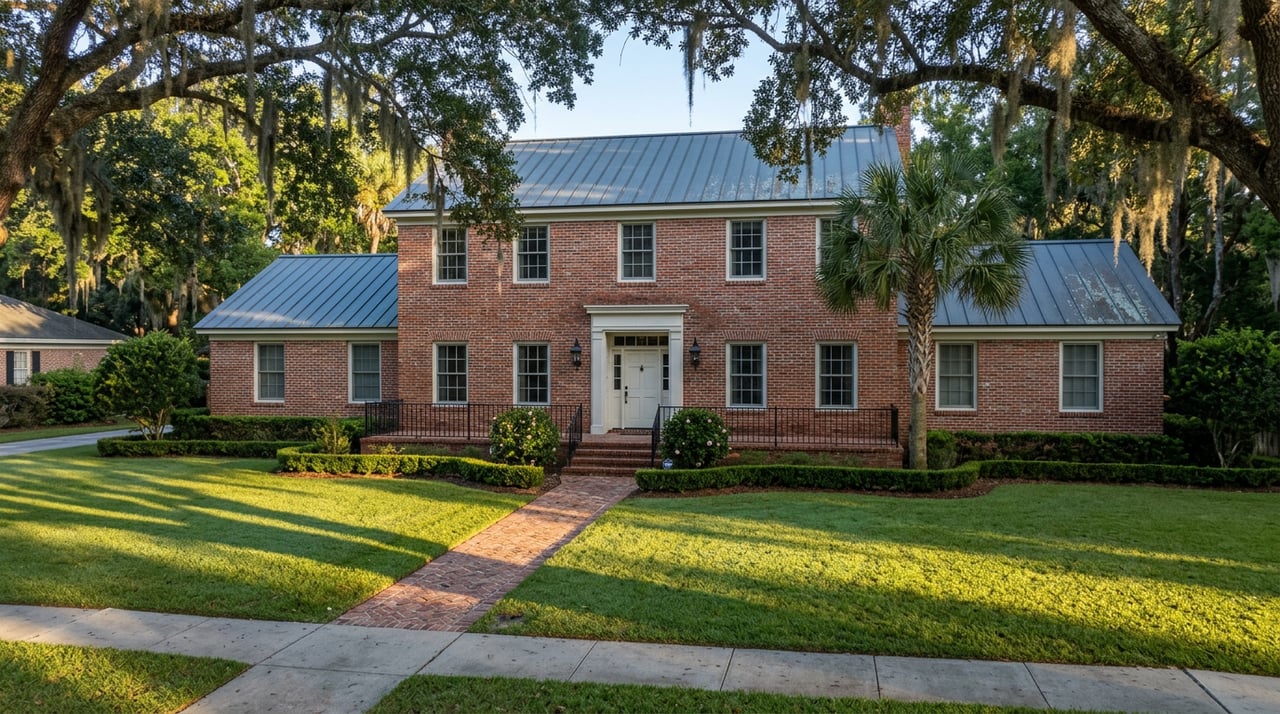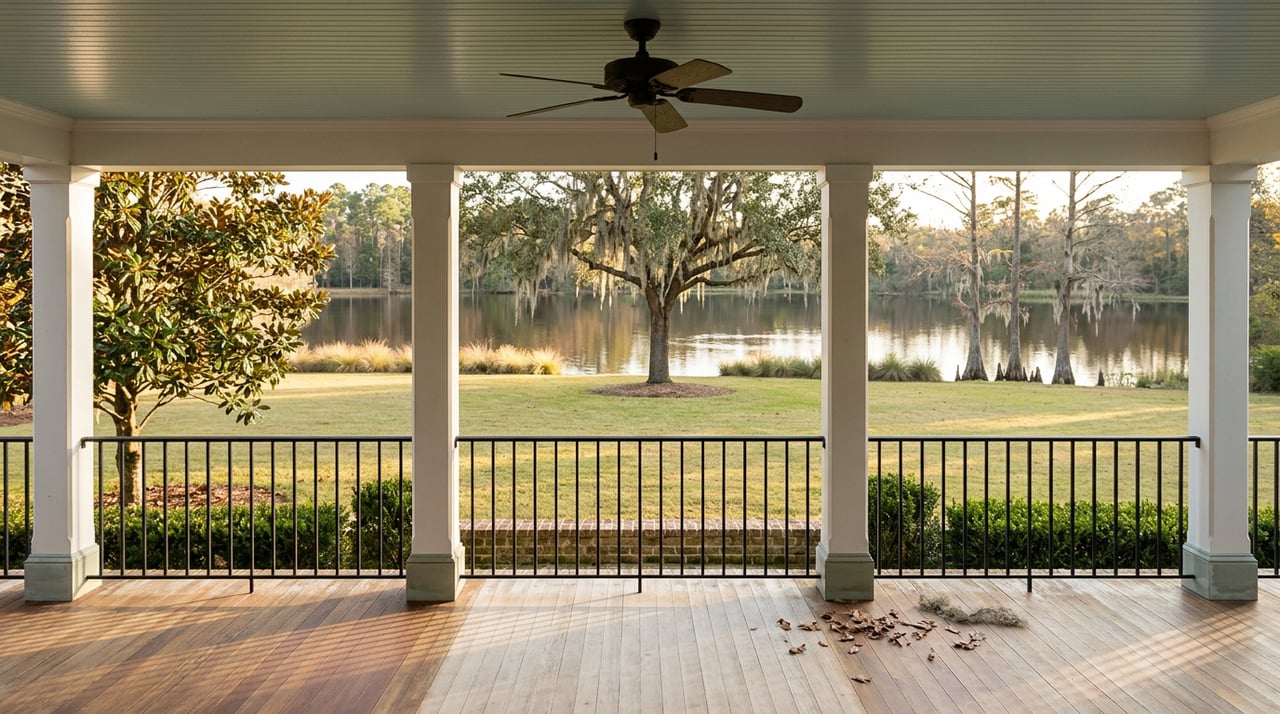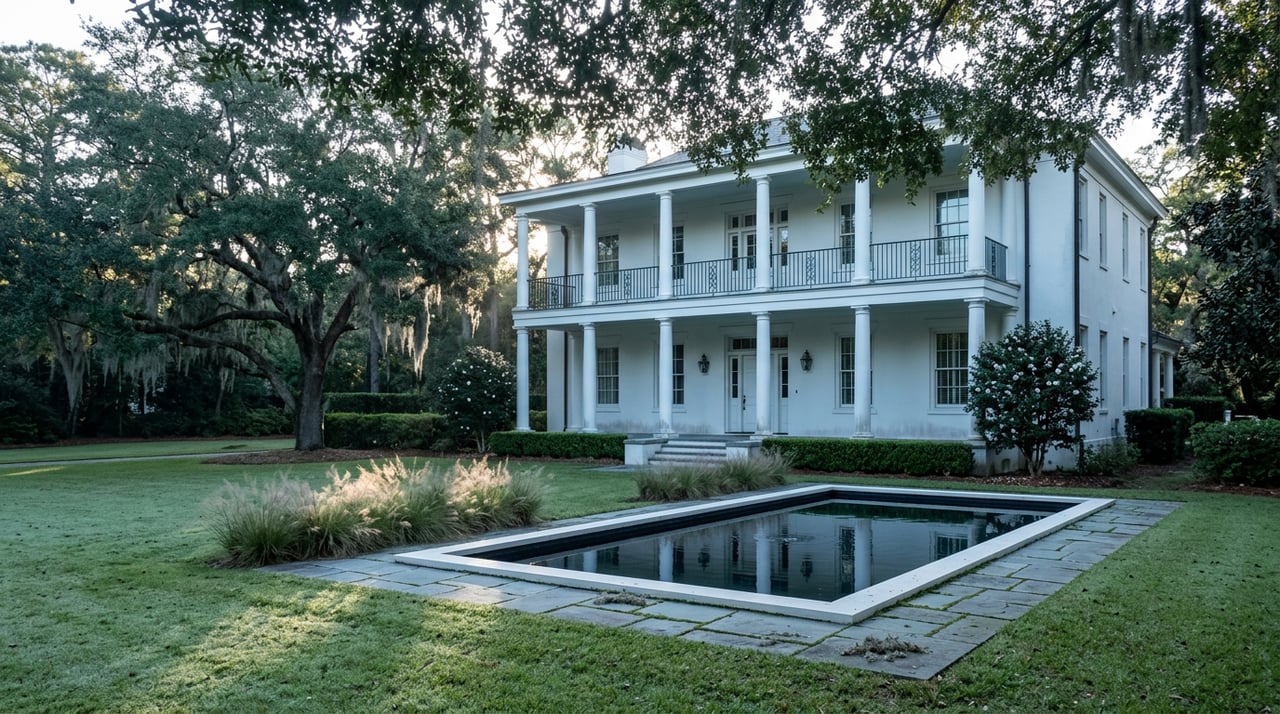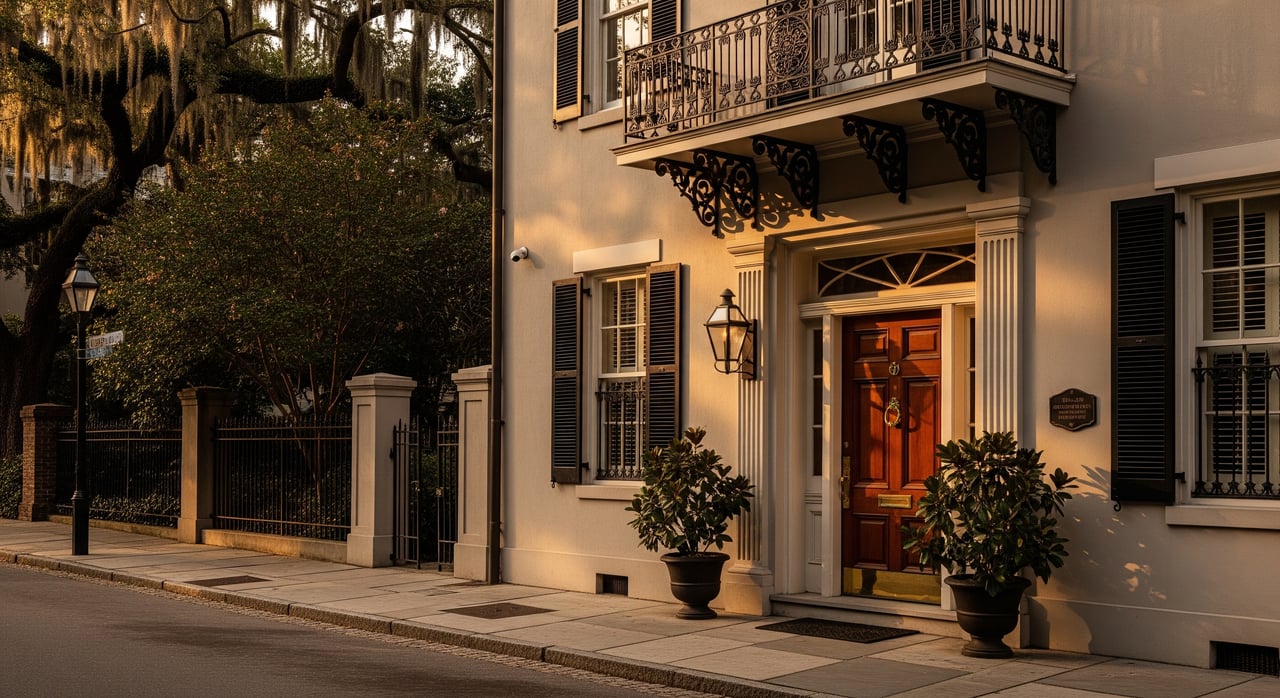
Thinking about selling a historic Savannah home and want top dollar without risking delays or its character? You are not alone. Owners in the Historic District face extra steps that can either slow you down or set you up for a standout launch. In this guide, you will see our step-by-step concierge process that protects historic value while shortening days on market.
Let’s dive in.
Why a concierge process matters
Savannah’s Historic District uses a local review process for exterior work. Many visible changes require a Certificate of Appropriateness. The City’s review focuses on keeping historic character, so early coordination saves time and stress. You can review the City’s program and submittal basics on the City of Savannah’s Historic Preservation page.
Our workflow sequences approvals and careful prep before media or public launch. We also align repairs and staging with the Secretary of the Interior’s Standards so your home’s story is authentic and compelling. For reference, you can see the federal rehabilitation standards through the National Park Service.
Step 1: Initial assessment
Start with a clear picture of what you have. We document original materials, notable interior features, and prior alterations. We photograph every elevation and build a simple inventory of the property’s historic elements.
We also review title for preservation easements or covenants that impact marketing or future work. If value is uncertain, we pull comps that prioritize contributing historic homes and may consult a historic-district appraiser for clarity.
Step 2: COA triage
Do not change the exterior or place signage until you confirm what needs approval. Many exterior repairs, visible landscaping changes, and even paint colors can require a COA. Staff approvals are often faster than Board reviews, but you should still plan for multiple weeks.
To speed things up, we assemble common submittal items up front. These include current photographs, existing and proposed drawings, material specs, paint swatches, contractor letters, and a clear scope of work. We time any work so listing photos match the approved appearance.
Step 3: Sensitive repairs
Use preservation-experienced contractors for windows, masonry, roof, and woodwork. Reversible methods are preferred and irreversible changes are avoided without approvals. If a safety repair is urgent, we check whether an expedited review applies before proceeding.
When permits are required, we sequence submissions to prevent rework. Our focus is to keep historic fabric intact while resolving buyer objections before launch.
Step 4: Staging and protection
Interior staging should be reversible. We avoid nails in original trim, use freestanding furniture, and protect delicate floors with rugs in high-traffic areas. If needed, we limit access to fragile rooms during showings.
For outside, even temporary items can be regulated. We verify any exterior staging, planters, or signage against local rules before placement. Clear showing protocols help protect fragile elements and set buyer expectations.
Step 5: Premium media
Your media should celebrate the home’s story and answer common buyer questions. We plan:
- Hero exterior images, including twilight, that show context on the street or square.
- Detail shots of mantels, mouldings, staircases, and hardware to spotlight authenticity.
- Floor plans and room dimensions, since historic buyers care about flow and scale.
- A 3D tour and a narrated video walkthrough that note sympathetic updates and original features.
If drone imagery adds value, we use certified operators and follow FAA Part 107 rules. You can read FAA guidance for commercial drone operations to see what compliance looks like.
We also prepare a concise “property heritage” packet for qualified buyers. It includes COA history, maintenance records, paint colors, contractor contacts, and any known restrictions.
Step 6: Launch cadence
A measured launch builds momentum and attracts prepared buyers.
- Soft broker preview, Days 0 to 3: A private broker open or targeted outreach with the heritage packet to specialists in historic homes.
- Public launch, Days 3 to 7: MLS goes live with premium media, plus a social push using short feature video.
- Broker open house or VIP showing, Days 3 to 7: A curated event focused on preservation stewardship and approvals.
- First two weeks, Days 0 to 14: Heavy outreach to buyer agents, architecture enthusiasts, relocation networks, and preservation groups.
We collect feedback from showings and online engagement to guide adjustments.
Step 7: Feedback and pricing
Historic properties carry valuation nuances. Buyers often pay premiums for authentic features, documented stewardship, and contributing status. We anchor pricing to recent district sales that match period, condition, and proximity to key locations.
- Day 7: We review showing comments and digital metrics and make tactical changes like photo order or listing copy.
- Day 14: We reassess pricing and positioning based on market response and comparable activity. We may add a quick fix that does not require a COA, such as interior touch-ups or hardware replacements.
- Ongoing: Weekly reports during the first 30 to 60 days. If offers lag, we escalate outreach and consider offering a pre-approved COA scope to reduce buyer uncertainty.
Disclosures and risk
If your home was built before 1978, federal law requires a lead-based paint disclosure. See the EPA’s guidance on real estate lead disclosure for what you will need.
Savannah includes areas with tidal and riverine flood risk. Buyers and lenders often ask for flood zone and elevation details, along with insurance status. You can explore the FEMA Flood Map Service Center and general NFIP information to understand insurance requirements and mapping.
Disclose any recorded preservation easements, covenants, or restrictions that limit alterations. Confirm your homeowner’s policy covers showings, and set protocols to protect fragile elements during tours.
Our vendor team
We bring a preservation-aware team to your listing so you are never guessing.
- Historic-preservation architects and consultants for COA packages and design solutions
- Contractors skilled with period masonry, wood sash windows, and historic roofing
- Preservation-aware inspectors and structural engineers
- Appraisers experienced with Savannah’s historic districts
- Premium photographers and 3D tour providers who know how to light period interiors
- FAA Part 107 drone operators for compliant aerial context
- Stagers who use reversible, period-sensitive styling
For state program questions, the Georgia State Historic Preservation Office and federal resources can help. The National Park Service also explains federal historic rehabilitation tax incentives for income-producing properties.
Work with The Oliver Group
You deserve a listing plan that respects your home and drives results. Our boutique, founder-led team pairs Savannah market authority with a premium marketing stack that includes professional photography, aerial video, Matterport tours, and targeted digital exposure. Backed by Keller Williams infrastructure and a flexible, client-first approach, we coordinate every step so you can move forward with confidence.
Ready to talk timelines, pricing, and next steps for your Historic District home? Reach out to The Oliver Group to schedule a consult or get a home valuation.
FAQs
What is a Certificate of Appropriateness in Savannah and why does it matter when selling?
- It is the City’s review for exterior work visible from the right of way, and coordinating it before listing helps avoid delays and ensures your photos and showings match the approved appearance.
Do I need flood insurance details when selling a Historic District home?
- Buyers and lenders often request flood zone and elevation information, so having flood maps and any existing policy or elevation certificate ready can speed the deal.
How do federal or state preservation incentives affect my sale?
- Federal incentives apply to income-producing properties and can attract certain buyers, so providing basic program links and your COA history reduces uncertainty and builds confidence.
Can I repaint or replace windows before listing in Savannah’s Historic District?
- Many visible exterior changes require a COA, so confirm requirements with the City first and align any work with recognized rehabilitation standards to protect value and timing.
What media strategies work best for historic listings in Savannah?
- A mix of premium exterior and detail photography, floor plans, a 3D tour, and a clear heritage packet helps buyers understand flow, authenticity, and stewardship from the first click.