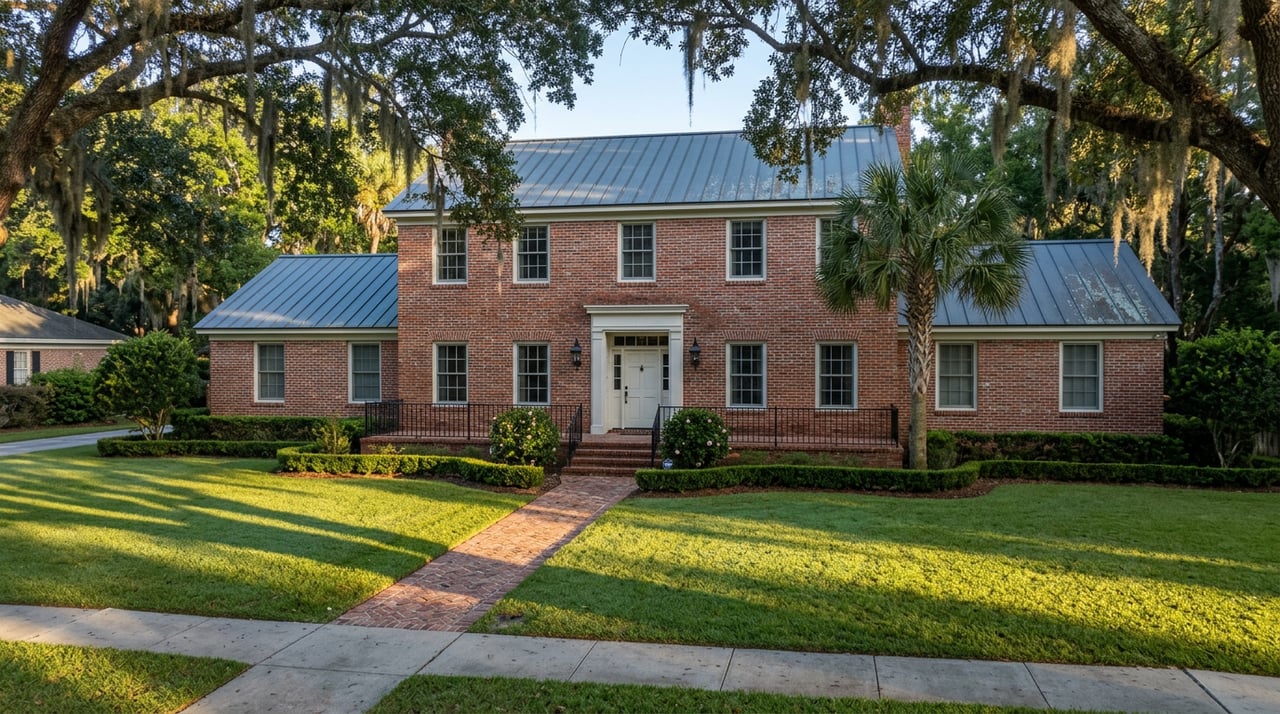
Ever notice how two similar rentals can produce very different returns? In Richmond Hill, small details like flood zone, HOA rules, or commute access can change your numbers fast. If you’re considering a rental in 31324, you want a clear view of the local demand drivers, cost risks, and the math that turns a property into a performing asset. In this guide, you’ll learn what affects rental ROI here, how to run the numbers with confidence, and what to check before you buy. Let’s dive in.
Richmond Hill market drivers that shape ROI
Demand: jobs, schools, and proximity to Savannah
Richmond Hill sits in southern Bryan County and is tied closely to the Savannah metro. Many residents commute to employment centers tied to the Port of Savannah, logistics, manufacturing, healthcare, and services. These job hubs support steady renter demand.
School zones can influence where long-term renters prefer to live. Bryan County Schools attract households who value predictable commutes and neighborhood amenities. If your target renter is a household seeking stability, school boundaries and nearby services can affect both rent levels and lease length.
Military and government-related employment in the region also contributes to rental demand. Confirm how much of that demand reaches Richmond Hill for your specific property type and price point.
Supply: single-family vs. multifamily
Inventory mix matters. In 31324, single-family rentals, small multifamily, and condo communities each serve different renter profiles. Track recent construction and planned subdivisions to understand upcoming supply. If new homes or large apartment projects enter the market near your target property, rents and vacancy can shift.
Seasonality and vacancy norms
Vacancy assumptions drive your pro forma. Long-term rentals often use a 5–10% vacancy estimate, but local conditions can vary. Talk with local property managers for current Richmond Hill trends and lease seasonality before you finalize your numbers.
Property features that move the numbers
Property type and size
Your unit count, bedroom mix, and square footage set your rent ceiling. Single-family homes typically attract longer tenancies, while small multifamily can spread risk across units. Match property type to the renter profile you want and price range you’re targeting.
Condition and amenities
Updated systems, efficient HVAC, durable flooring, and practical outdoor space help reduce turnover and maintenance. Amenities like a garage, fenced yard, or in-unit laundry can enhance rent and reduce vacancy, especially for households seeking longer stays.
Flood and wind exposure
Coastal influence makes flood and wind risk a key ROI driver. Flood zone status can trigger mandatory flood insurance for financed purchases, and wind/hail exposure can increase premiums or deductibles. Premiums and coverage terms directly affect your Net Operating Income (NOI), so verify the exact parcel’s risk and get quotes before you bid. An elevation certificate, mitigation features, and roof condition can all change your insurance costs.
Operating and regulatory factors to verify
Property taxes and assessments
Property taxes are a recurring line item that can change after a sale. Check the current bill and assessed value and ask how reassessments are handled. Small millage changes or value adjustments can create noticeable swings in annual expenses.
HOAs and subdivision rules
Many Richmond Hill neighborhoods have HOAs. Covenants may limit rentals, require minimum lease terms, or add fees and approval steps. These rules affect both rentability and operating costs. Review covenants early so you can price-in any restrictions.
Short-term vs. long-term leasing
Short-term rentals can deliver higher gross revenue in certain settings, but they come with higher operating costs, variable occupancy, and local regulations, permitting, and taxes. Long-term leases are usually more stable. If you are exploring short-term use, confirm current local rules and permitting requirements for Richmond Hill.
Georgia landlord-tenant basics
Georgia law governs deposits, notices, habitability, and eviction procedures. Timelines and requirements impact cash flow if a turnover or dispute occurs. Make sure your lease, deposits, and property standards align with state rules and any local ordinances.
How to run the numbers with confidence
Key formulas you’ll use
- Gross Rent = monthly rent × 12
- Effective Gross Income (EGI) = Gross Rent − vacancy and credit loss
- Net Operating Income (NOI) = EGI − operating expenses (exclude mortgage)
- Cap Rate = NOI ÷ purchase price
- Cash-on-Cash Return = annual pre-tax cash flow ÷ cash invested
- GRM (Gross Rent Multiplier) = purchase price ÷ gross annual rent
A simple framework you can copy
Use current local rent comps and real quotes for expenses.
- Start with rent comps: [Monthly Rent]
- Vacancy allowance: [Monthly Rent] × [Vacancy %] = [Monthly Vacancy]
- EGI: [Monthly Rent × 12] − [Monthly Vacancy × 12]
- Operating expenses (annual):
- Property taxes: [Quote]
- Insurance (home + wind + flood if required): [Quote]
- HOA dues: [Annual Amount]
- Maintenance/turnover reserve: [Estimate]
- Landscaping/owner-paid utilities: [Estimate]
- Property management: [Percent of Rent]
- NOI: EGI − total operating expenses
- Cap Rate: NOI ÷ purchase price
- Financing: calculate mortgage payment using your interest rate and terms
- Annual pre-tax cash flow: NOI − annual debt service
- Cash-on-Cash: pre-tax cash flow ÷ total cash invested (down payment + closing + initial repairs)
Stress-test your deal
Before you commit, model downside cases:
- Rents down 5–10%
- Vacancy up 2–4 percentage points
- Insurance up 10–20% at renewal
- One-time repair or deductible hit If your cash flow still works under these scenarios, your ROI is on stronger footing.
Due diligence checklist for 31324 investors
Property and neighborhood
- Pull 3–6 active and 3–6 recently rented comps within 0.5–2 miles for single-family; broaden if needed for context.
- Ask local managers about vacancy history and typical lease terms.
- Confirm school boundaries if your target renter values specific attendance zones.
- Read HOA covenants for rental restrictions, fees, and approval steps.
- Inspect systems and structure: roof age, HVAC, plumbing, foundation, termite history, and any storm-related repairs.
- Verify flood zone status and whether an elevation certificate exists.
Financials and closing
- Review the current property tax bill and assessed value.
- Obtain insurance quotes: homeowner’s/landlord, wind, and flood if applicable.
- Clarify utility responsibilities between owner and tenant.
- Build a pro forma with best/base/downside scenarios.
- Price closing costs, any renovations, compliance work, and a capital reserve.
Legal and operations
- Confirm any local rental registration or inspection requirements.
- Check short-term rental rules if considering STR use.
- Understand Georgia eviction timelines, notice requirements, and typical legal costs.
- Align your lease and property standards with state habitability requirements.
- Get quotes for property management and note service scope.
- Line up vendors for routine and emergency maintenance.
Short-term vs. long-term: which fits your plan?
If you want stable cash flow and lower management intensity, long-term leasing usually fits better. If you have a property that attracts short-stay demand and you can handle variable occupancy and higher overhead, short-term may pencil. In all cases, run separate pro formas for each use and confirm local rules and taxes before you market the property.
Pro tips to protect ROI in 31324
- Get flood and wind insurance quotes before you offer. Premiums and deductibles can materially change your NOI.
- Compare similar homes inside and outside mapped flood zones. Rent might be similar, but insurance can differ.
- Ask for an elevation certificate; it can reduce flood premiums for some properties.
- Use conservative rent comps. Base your numbers on leased comps, not just active listings.
- Budget for turnover and maintenance even with long-term tenants.
- Revisit your pro forma annually. Update rents, taxes, insurance, and management fees.
Your next step
Strong rental ROI in Richmond Hill comes from three things working together: solid local demand, a property with manageable risk and operating costs, and financing that supports your cash flow. If you want help sourcing comps, pressure-testing a pro forma, or evaluating a specific address, reach out to The Oliver Group. We know coastal neighborhoods and can connect you with trusted local managers, insurers, and inspectors so you can invest with confidence.
Ready to evaluate a property or plan your next move? Contact The Oliver Group for local insight and a streamlined path to your goals.
FAQs
What affects rental ROI in Richmond Hill most?
- Local demand tied to Savannah-area jobs, flood and wind insurance costs, property taxes and HOA rules, and your financing terms typically have the biggest impact.
How do I estimate vacancy for a 31324 rental?
- Start with a 5–10% benchmark for long-term rentals, then confirm with local property managers for current Richmond Hill leasing conditions and seasonality.
How does flood risk change my cash flow?
- If a property sits in a FEMA Special Flood Hazard Area, lenders usually require flood insurance; premiums and deductibles can significantly reduce NOI and cash flow.
Should I choose short-term or long-term leasing in 31324?
- Long-term leasing is generally more stable with lower overhead, while short-term can produce higher gross income but requires permits, higher expenses, and active management.
Which numbers do I need for cap rate and cash-on-cash?
- You’ll need actual or well-supported rent comps, a realistic vacancy rate, itemized operating expenses, your purchase price, loan terms, and total cash invested.