Trying to choose between Savannah’s historic neighborhoods and its island communities? It is a common question, and the answer usually has less to do with which area is “better” and more to do with how you want to live day to day. If you understand the tradeoffs around walkability, rules, costs, and flood planning, you can narrow your search with much more confidence. Let’s dive in.
Start With Your Daily Routine
The biggest difference between historic Savannah and the islands often shows up in your everyday habits.
In Savannah’s Historic District, daily life tends to center on walking. According to Visit Savannah’s Historic District overview, the area covers 2.5 square miles, includes 22 scenic squares, and offers walking access to shops, galleries, and restaurants. Chatham Area Transit also serves historic downtown and greater Savannah, which can make car-free or car-light living more practical.
On the island side, your routine usually depends more on driving. CAT currently lists routes including 20 Skidaway Island/Coffee Bluff and 31 Skidaway/Sandfly, but transit is more limited overall, and CAT states that Tybee Island is not part of the transit district. If you are looking at Tybee, the city’s beach-town setup also includes pay-to-park rules with no free public parking.
Historic Living and Walkability
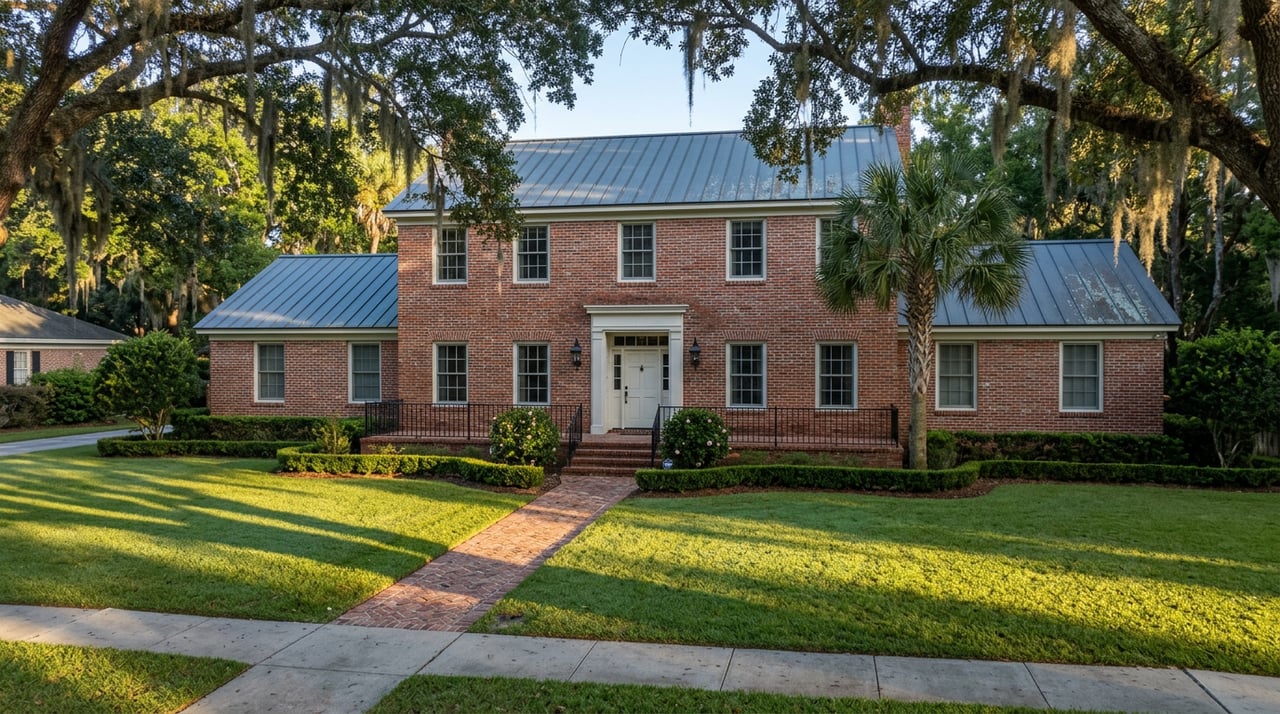
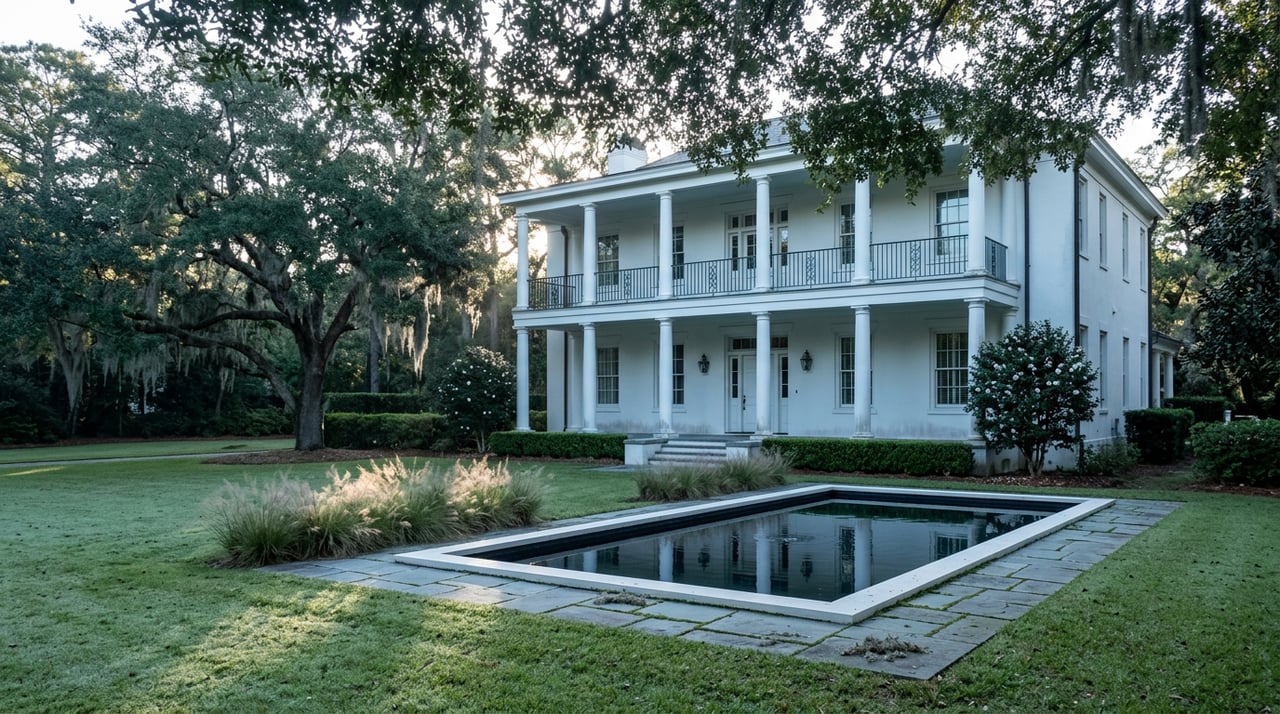
If you enjoy stepping out your front door and being close to dining, shopping, and cultural spots, historic Savannah may fit you well. The pedestrian-friendly layout is one of its biggest advantages, especially if you want errands and outings to feel easy and spontaneous.
That does not mean you will never use a car. It does mean many buyers are choosing these neighborhoods because they want easier access to downtown life and less dependence on driving for every activity.
Island Living and Driving
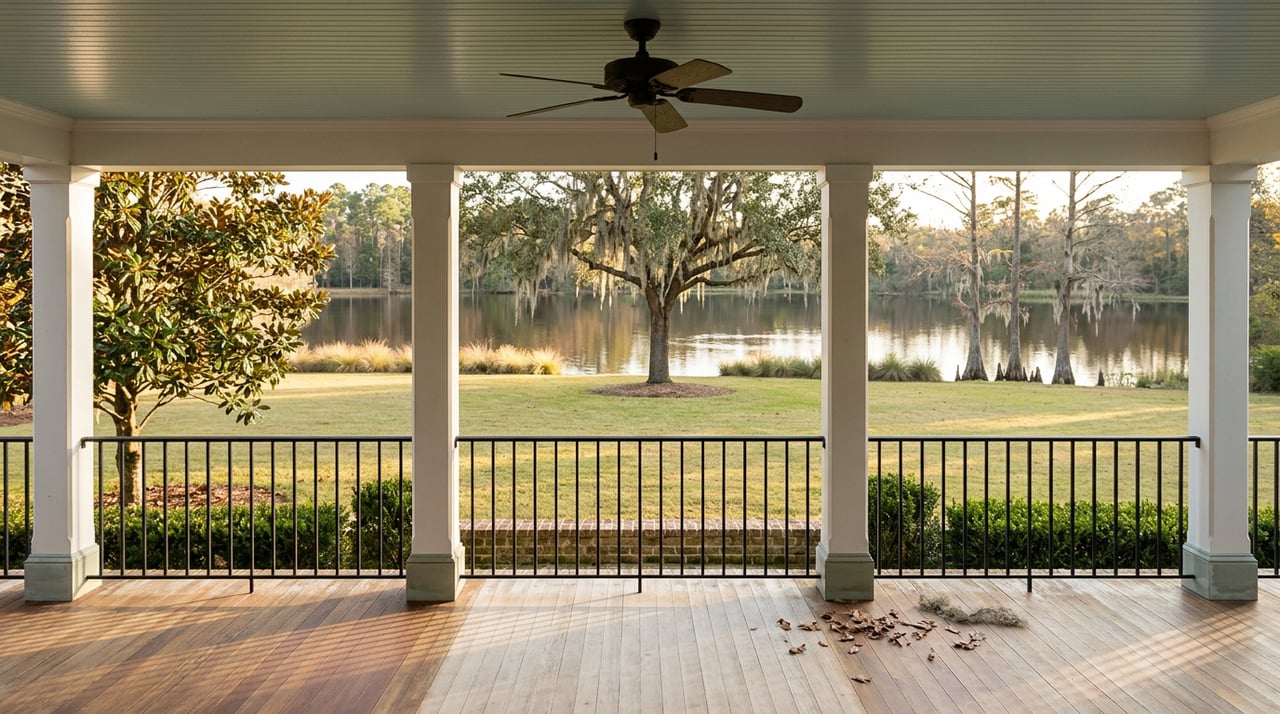
Island neighborhoods often appeal to buyers who prioritize space, parking, marsh or coastal surroundings, and recreation tied to the water. That can be a strong fit if you do not mind getting in the car more often.
The island category is broad, though, and one community may feel very different from another. The Landings on Skidaway Island is a private 4,200-acre coastal community with marshes and waterways, while Tybee Island functions as a city-run beach community with its own routines and regulations.
Compare the Ownership Experience
Beyond location, this decision is really about two different ownership models.
Historic neighborhoods often come with more city review tied to preservation. Island communities may involve more private community structure, added amenity layers, or both. Neither model is automatically better, but each asks something different from you as an owner.
Historic District Rules
Savannah’s local historic districts are governed by design standards and visual compatibility criteria. The city states that new construction and many renovations are reviewed by historic preservation staff and the relevant review board. Certain material exterior changes may also require a Certificate of Appropriateness.
That matters if you want flexibility with future updates. If you buy in a historic district, it is wise to think ahead about any exterior work you may want to do and confirm what review may be required before you make plans.
Island Community Structures
Island ownership can come with a different kind of oversight. In some places, that may mean a homeowners association. In others, it may also include optional or separate club structures and amenity-related costs.
For example, The Landings includes a homeowners association plus a separate club layer with golf, tennis, fitness, dining, and pool amenities. That does not mean every island neighborhood works this way, but it does show why you should verify each property’s obligations carefully.
Budget Beyond the Purchase Price
When buyers compare historic and island homes, they sometimes focus too heavily on the sale price and not enough on the long-term carrying costs.
In a historic district, your cost considerations may include preservation-aware exterior work and city review requirements. On the islands, your budget may need to account for HOA dues, club membership structures, parking realities, or other property-specific community costs. The exact numbers will vary, but the main point is simple: ask detailed questions before you buy.
Historic Costs to Ask About
If you are buying in a historic area, consider asking about:
- Whether planned exterior updates may need city review
- Whether the property falls within a local historic district
- Whether parking is limited or subject to exemptions or reductions under city rules
- Whether the property is within Savannah’s short-term vacation rental overlay
The city notes that Downtown, Victorian, and Streetcar properties are inside the STVR overlay, and that new residential STVRs in Downtown and Victorian residential wards are capped at 20 percent. If rental flexibility matters to you, that is worth confirming early.
Island Costs to Ask About
If you are considering an island property, ask about:
- HOA dues
- Club fees or optional memberships
- Community rules and approval processes
- Parking and access logistics
- Flood insurance requirements tied to the exact address
These costs and obligations are highly property-specific. Two island homes in the same general area can still come with very different ownership expectations.
Flood Risk Deserves Close Attention
In coastal Savannah, flood diligence is not optional. It should be part of your decision no matter where you buy, but it becomes especially important as you look at marsh-oriented and island properties.
Chatham County states that Savannah and the surrounding coastal plain are vulnerable to flooding due to flat terrain, low elevations, tidal influence, stormwater runoff, and hurricanes. The county also explains that flood maps help determine minimum building requirements and insurance needs.
Check the Exact Address
Do not assume risk based on the neighborhood name alone. FEMA’s Flood Map Service Center is identified by FEMA as the official source for flood-hazard maps, and both FEMA and the NFIP advise checking the specific property address.
Chatham County also notes that Special Flood Hazard Areas begin with A or V, and federally backed loans in those zones generally require flood insurance. FloodSmart also reminds homeowners that standard homeowners insurance does not cover flood damage.
Plan for Storm Logistics
On the island side, flood planning is part of the lifestyle conversation. Chatham County points residents toward emergency management resources for flood warnings and hurricane evacuation routes, which makes storm prep a practical ownership topic, not just a box to check.
That is especially relevant in coastal settings like Tybee, where parking rules, beach access routines, and weather readiness all affect how you use the property. If you are comparing areas, think not just about views and proximity to water, but also about how comfortable you are with the added planning that may come with them.
Ask Which Lifestyle Fits You Best
If you are torn between historic and island neighborhoods, it can help to ask a few simple questions.
Do you want to walk to restaurants, shops, and downtown destinations? Historic Savannah may be the more natural fit. Do you picture more driving, easier on-property parking, and a stronger connection to marsh, coastal, or club-centered living? An island community may line up better with what you want.
Historic Neighborhoods May Fit You If
- You value walkability in your daily routine
- You enjoy being close to downtown activity
- You appreciate historic character and city fabric
- You are comfortable with preservation-related review for some exterior changes
Island Neighborhoods May Fit You If
- You prioritize coastal or marsh-oriented surroundings
- You expect to drive more often
- You want parking and property access to be part of the decision
- You are prepared to review flood zones, insurance needs, and any association structure carefully
Think in Terms of Ownership, Not Just Location
The most useful way to compare Savannah’s historic and island neighborhoods is not as a simple map question. It is really a choice between preservation-governed urban living and coastal-oriented living, each with its own rhythm, costs, and responsibilities.
When you understand that difference clearly, your home search becomes much easier. If you want help comparing Savannah’s historic properties, island homes, and the practical tradeoffs that come with each, connect with The Oliver Group for local guidance tailored to the way you want to live.
FAQs
Do Savannah historic district homes require city approval for renovations?
- In many cases, yes. Savannah states that certain material exterior changes in local historic districts may require review and a Certificate of Appropriateness.
Do you need a car to live in Savannah’s historic neighborhoods?
- Usually less than you would in many island areas. Savannah’s Historic District is pedestrian-friendly, and CAT serves historic downtown and greater Savannah.
Do Savannah island neighborhoods always have an HOA?
- No. Island neighborhoods vary widely, but some communities, such as The Landings, include an HOA and a separate club structure.
Does buying on Tybee Island mean public transit is available?
- No. CAT says Tybee Island is not part of the transit district and is not served by CAT buses.
Is flood insurance required for Savannah or island homes?
- It depends on the exact property, flood zone, and loan type. In high-risk A or V zones, federally backed loans generally require flood insurance.
Can you use a historic Savannah property as a short-term rental?
- It depends on the property location and current city rules. Downtown, Victorian, and Streetcar properties are within Savannah’s STVR overlay, and some areas have caps on new residential STVRs.