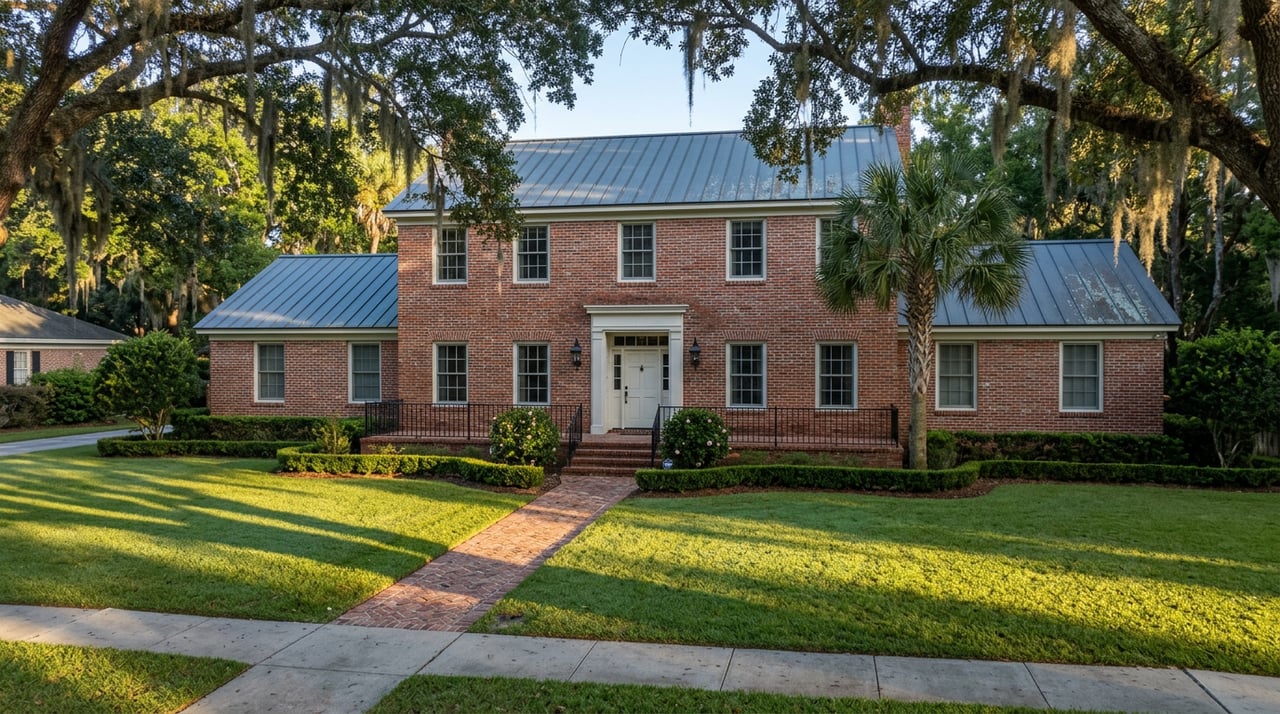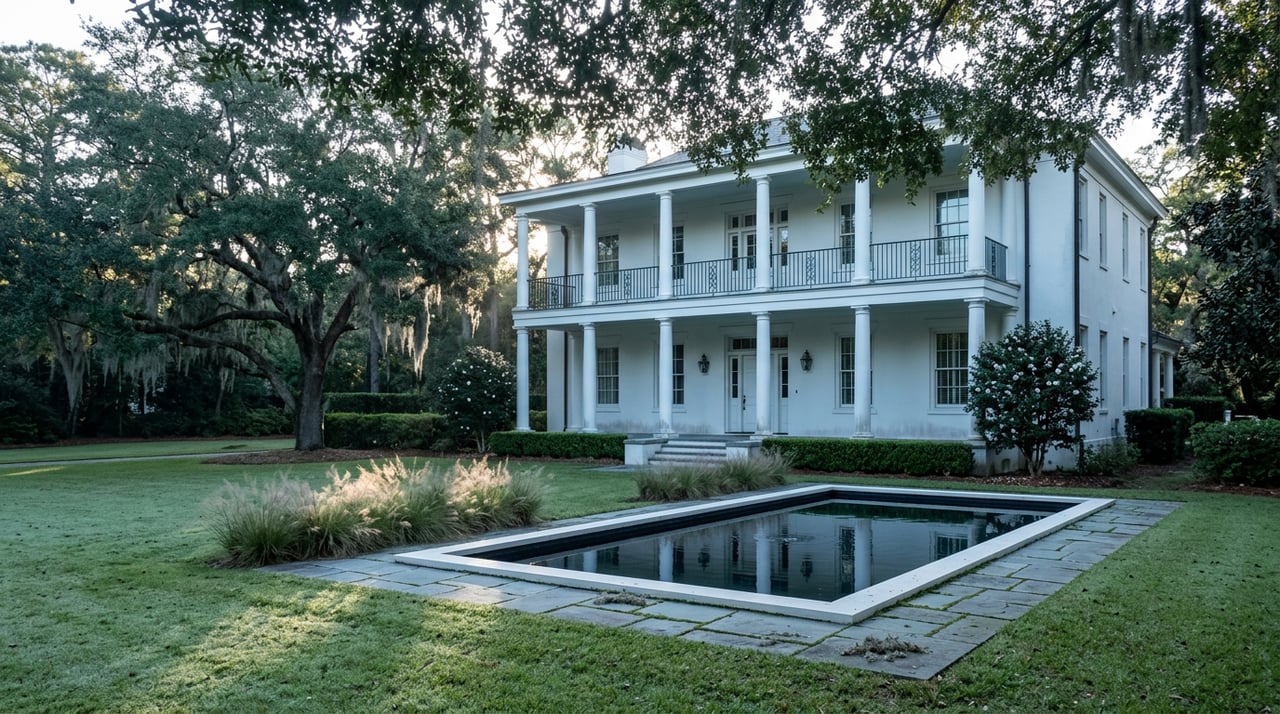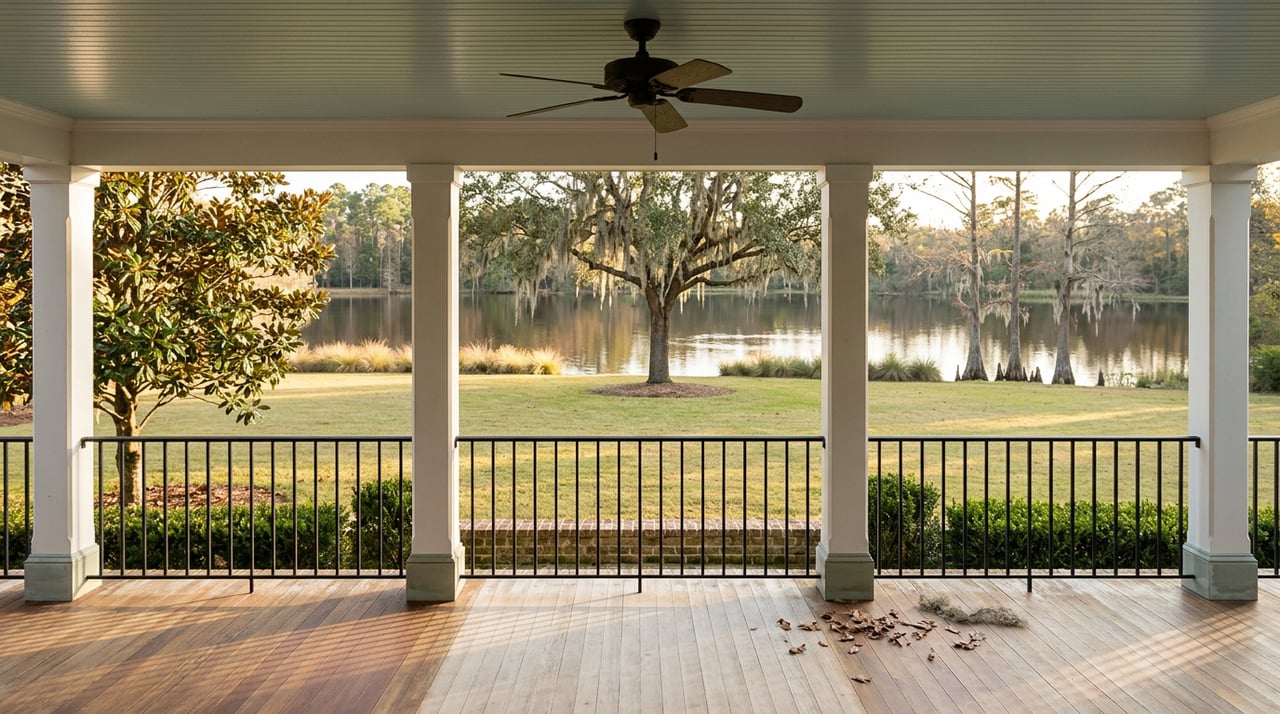
Drive past the gate at The Ford Field & River Club this month and the Sports Barn looks finished, because it is. Members are back on the new equipment, the locker rooms smell like fresh paint instead of construction dust, and the fitness studios that used to double as storage during the renovation are running full class schedules again. Keep driving toward the Clubhouse, though, and you'll still see fencing around the porch that overlooks the oak alleé. That building isn't done. It won't be for a while.
That gap between what's finished and what isn't is not an accident of scheduling. It's the clearest window into how The Ford decided to spend $24.5 million of its members' money, and it says more about the club's priorities than the number itself ever could.
The Sequence Nobody Announced Out Loud
When The Ford's membership voted with a 90 percent yes to fund the Amenity Upgrade Initiative, the project was framed publicly as a package deal: Clubhouse, Lake Dye Grill, Sports Barn, Golf Practice Facility, all part of one capital plan. Then-GM John Johnstone called it a statement of member stewardship when the initiative was first announced in April 2024, and the price tag at that point was $22.5 million. By the time ground actually broke, the figure had grown to $24.5 million. Scope crept, as it does on projects this size.
What didn't change was the order. The Sports Barn went first, an eight-month renovation that put its reopening around late spring of this year. The Clubhouse, the building most visitors would call the heart of the property, is going last. If a club wanted to impress a prospective buyer on a Discovery Visit, it would lead with the Clubhouse. Instead, The Ford rebuilt the gym before it rebuilt the room where members actually socialize after golf. That's a club optimizing for the people who already live there, not the people touring the grounds.
Where the Food Truck Actually Goes
The bridge between old dining and new dining is a 32-foot mobile kitchen the club nicknamed Tin Lizzie, a nod to Henry Ford's Model T. It isn't parked in one spot. According to the club's own updates, Tin Lizzie rotates through pop-ups that member newsletters describe as spanning riverside views, lake shores, and the shaded reach of the oak alleé, meaning dinner this year might mean a folding table by the Deepwater Marina one week and a spot near Lake Dye the next.
For a member used to a fixed dining room and a fixed menu, that's a real change in weekly rhythm. It also means the food truck is doing double duty. Beyond keeping members fed during construction, it's been used for outreach beyond the gates, showing up at local charitable events and real estate showcases around Richmond Hill and Savannah. A mobile kitchen built to solve a construction-year problem turned into a small ambassador for the club once it existed.
"Our members are the stewards of the community, and this financial commitment reflects their desire to remain the finest coastal sporting club in the country."
That's Johnstone's framing from 2024, before a shovel hit dirt. It reads differently now that the club has actually had to live inside the tradeoffs that stewardship requires, including where you eat dinner on a Tuesday.
What's Still Behind the Fence
The pieces of the plan still under construction give a sense of what the club is saving for last, and why that sequencing tracks with member priorities rather than showroom appeal:
- Full Clubhouse renovation — new wraparound dining porch, expanded kitchens, modern locker rooms, indoor golf simulators
- Golf Practice Facility expansion — a reported 48,000-square-foot tee area, a Himalayan-style putting green, and Par 3-capable range targets
- Pool complex redesign — a zero-entry pool, family play zones, and a renovated poolside restaurant near Lake Dye
- Lake Dye Grill update — modern kitchen and beverage center while keeping the building's existing look and feel
None of these are small jobs, and none of them are finished as of this September. The fitness piece went first because it's the amenity members use daily and can't easily substitute with a food truck or a folding table. The showcase spaces, the ones a first-time visitor would photograph, are being saved for when the club has already protected the parts of daily life that don't photograph well but matter more.
The Calendar That Didn't Pause
What's notable is how little of the member calendar actually stopped while cranes and fencing took over parts of the property. The annual Sheepshead Madness Tournament still ran in February, timed to when sheepshead migrate to Georgia's nearshore reefs and anglers weigh in their three heaviest fish for the win. Naturalist-led kayak tours still launched from the Deepwater Marina onto Lake Clara. The Oyster House, once Henry Ford's private cabin and now home to the club's Naturalist Center, kept hosting its monthly Oyster Roasts with shucking tables and a fire pit for the kids.
Even golf carried on at a scale the club couldn't have scripted around a renovation. In April, Georgia Southern hosted the Ford Collegiate on the club's Pete Dye course, drawing twelve of the nation's top programs, including number-one Auburn, number-four Texas, and number-seven LSU, for 54 holes of competition. The event wasn't open to the general public, but for two days that spring, members shared their course with some of the best college golfers in the country while renovation crews worked a few hundred yards away on the Sports Barn.
That's the actual texture of living inside The Ford this year. Construction fencing in one direction, national college golf in another, a food truck serving dinner somewhere in between, and the same oyster roasts running on the same monthly schedule they always have.
Why the Order Is the Real Story
The Ford's five residential enclaves, Silk Hope, Silk Hope Harbour, Cherry Hill Village, McAllister Point, and Pecan Grove, each have their own architectural character, but they all share access to the same amenity system now mid-transformation. The club has also kept up less visible commitments during the same stretch: a 2025 Georgia Clean Marina certification recognizing the Outdoor Pursuits team's environmental stewardship, and an ongoing partnership with Audubon International aimed at Cooperative Sanctuary Program certification for the golf course, marina, and naturalist program.
None of that is the kind of thing a club touts to sell a home. It's the kind of thing a club does when it's actually run by the people who live there and plan to keep living there. The $24.5 million project will eventually deliver a rebuilt Clubhouse and a redesigned pool that will photograph beautifully. But the choice to rebuild the gym first, to keep the oyster roasts running, and to send a dinner truck out to the marina instead of closing the kitchen for a year tells you which parts of this community its members actually voted to protect first.
If you're weighing a move to a property inside The Ford or anywhere else along Richmond Hill's coastal corridor and want a clear read on what a specific address is actually worth in today's market, Nicholas Oliver can walk you through the comparables and what a home in these enclaves has sold for recently. Reach out for a home valuation and a straight answer on where your property stands.