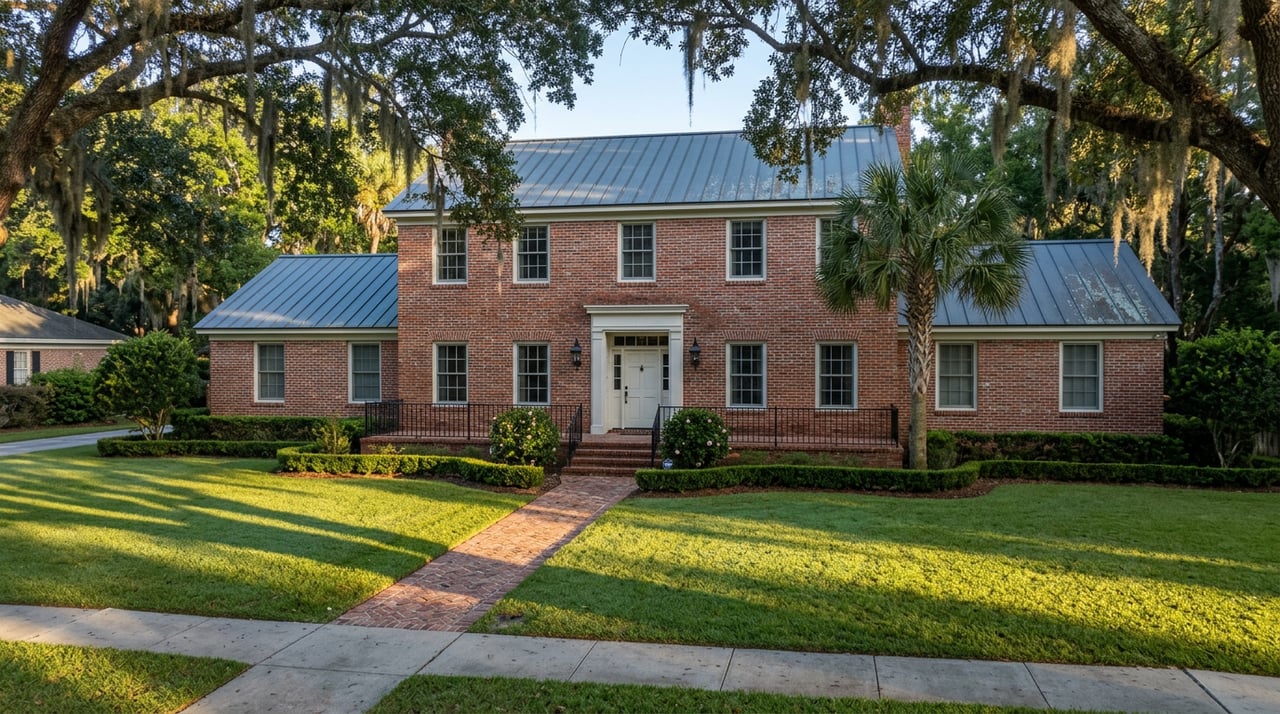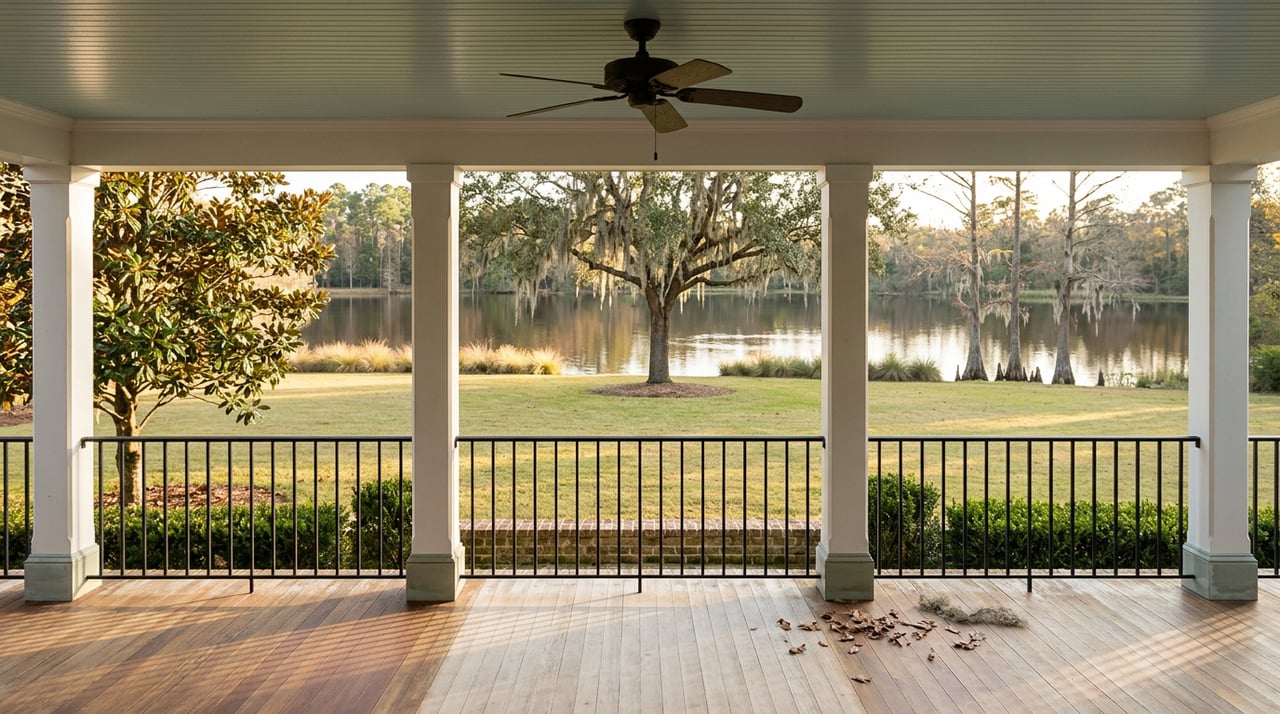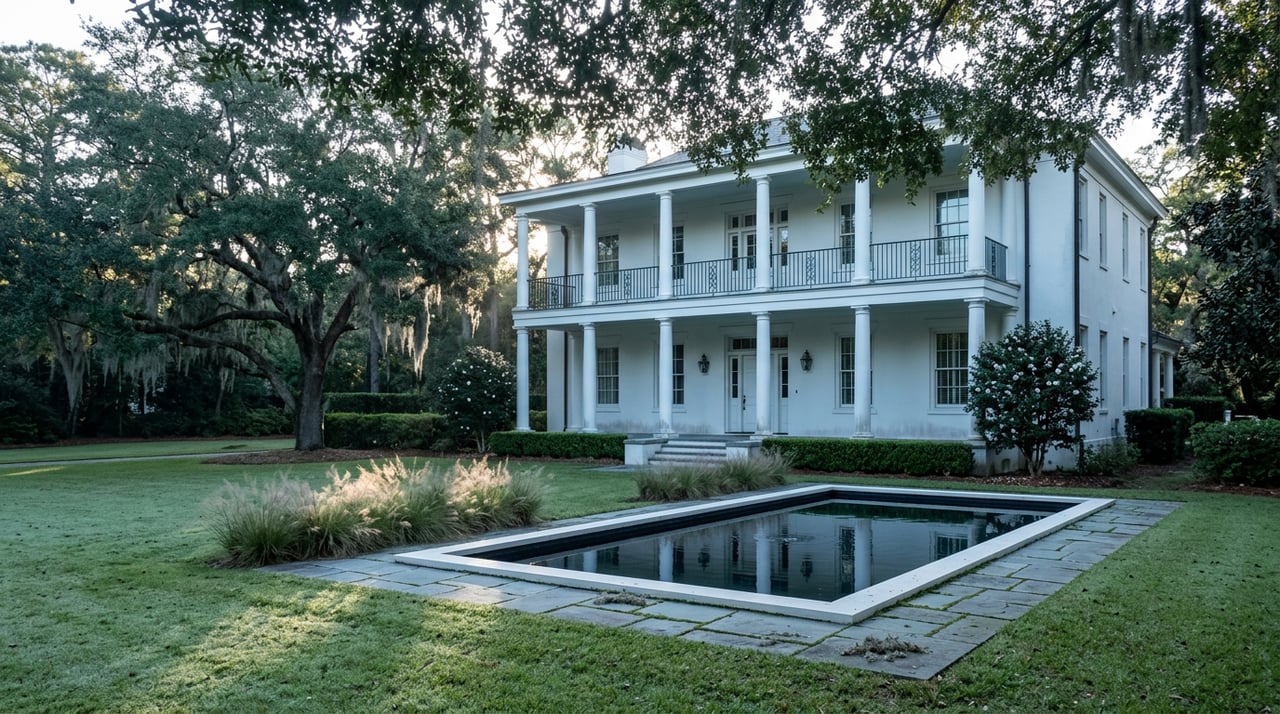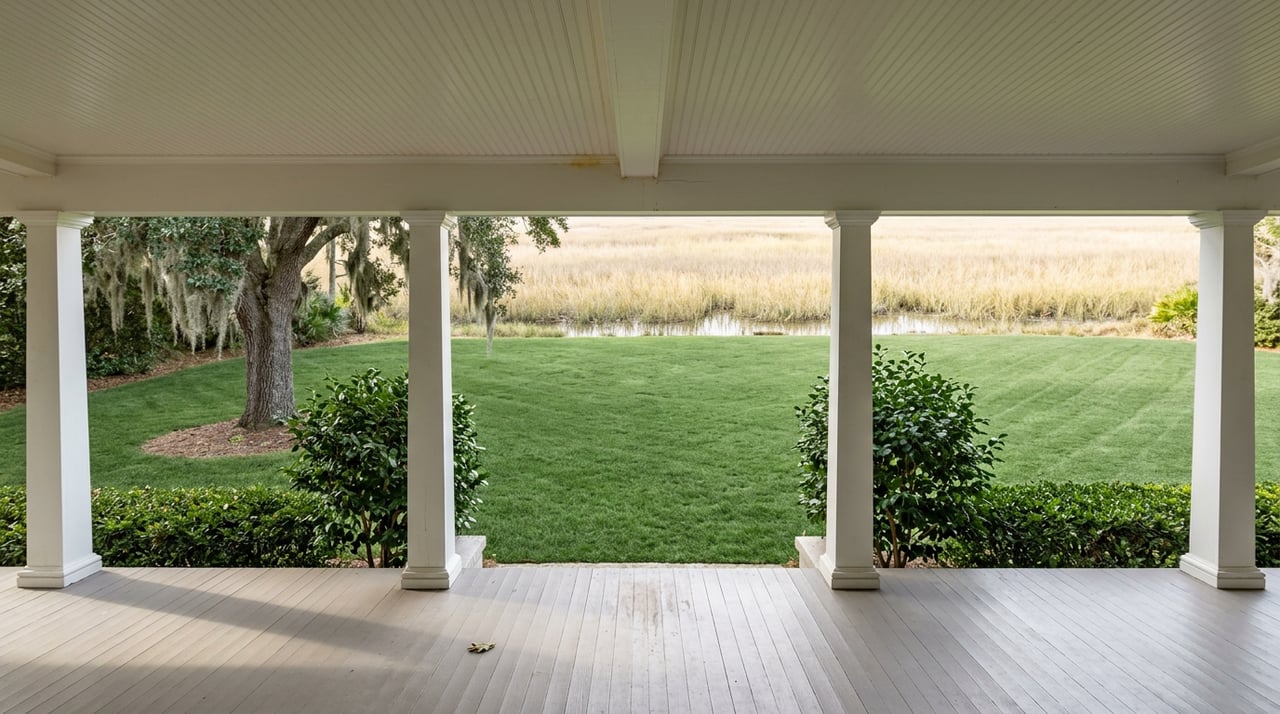
The Ford Field & River Club has never suffered from a shortage of things to do. A Pete Dye championship golf course with no tee times, a deepwater marina on the Ogeechee River, an equestrian center, a Naturalist Center, and five enclaves spread across 1,800 acres — the inventory has never been the constraint. What was constrained was geography. Meals happened at the Clubhouse or the Lake Dye Grill. The Marina, the Oyster House, and the far reaches of the property were places you went to do things. Hospitality lived in two fixed addresses, and that was the shape of a day.
Tin Lizzie changed that.
The Ford's $24.5 million amenity upgrade initiative is the largest capital investment in the club's modern history, and the headline number has gotten the attention it deserves. But the more interesting story is structural: the upgrade is not expanding the list of activities available to members. It is redistributing where, across 1,800 acres, members experience the best version of The Ford. Tin Lizzie is the sharpest proof of that logic — and understanding what it actually is clarifies what 2026 at The Ford is actually about.
A $24.5 Million Decision About Daily Life
When The Ford announced the initiative, the scope covered a new Clubhouse, the Sports Barn renovation, and a collection of improvements designed to ensure that the quality of experience members expect in the golf course and marina extends to the rest of the property. The club's own communications have described 2026 as a new era, and the physical evidence for that is arriving in stages.
The Sports Barn renovation is the most visible active project. It represents exactly the kind of disruption that a capital program of this scale produces: one of the community's central gathering anchors temporarily offline, and a club that needed to maintain its standard without a gap in hospitality. The solution the Ford's leadership landed on did more than cover the gap. It reshaped how the property feeds its members entirely.
The Kitchen That Broke the Dining Monopoly
Tin Lizzie made its official debut at the Homecoming Gala, where Executive Chef Luis Young's culinary team used the 32-foot custom-wrapped mobile kitchen to execute the club's marquee annual member event — not as a backup venue, but as the primary kitchen. Chef Young's assessment was direct: the facility surpasses both the Clubhouse restaurant and the Lake Dye Grill in cooking capacity. That is a striking claim from the person who runs all three.
What that means for a member's week is worth examining closely. Before Tin Lizzie, dining at The Ford was a two-address decision. Now it includes the Marina on a Friday, the Oyster House when the setting calls for it, the lakeside at Lake Dye when the weather cooperates. The menus change with the location — Taco Tuesdays, Fish Fry Fridays, burgers and brats dockside — executed by the same culinary team at the same standard, just against a different backdrop each time.
Chef Young's team is building menus designed to match each venue's atmosphere. A dockside fish fry is a different experience from a lakeside lunch, and the kitchen has the capacity to make both worth planning around. Members track the weekly rotation through The Ford's newsletter, which publishes the schedule in advance.
Where Tin Lizzie Parks
| Location | Format | Character |
|---|---|---|
| The Main House | Daily supplement | Fills gaps during Clubhouse renovation |
| Lake Dye | Pop-up dining | Lakeside; menu varies by day |
| The Marina | Pop-up dining | Waterfront; Fish Fry Fridays |
| The Oyster House | Pop-up dining | Contextual to the setting and season |
For members who've had a favorite table at the Clubhouse for years, the shift is real. The best cooking on property is now a moving target, and following it means spending time in parts of the 1,800 acres that might have otherwise been reserved for mornings with a fishing rod or evenings watching the Ogeechee River change color.
What the Sports Barn Project Is Actually Signaling
Tin Lizzie was introduced, in part, to maintain culinary continuity through the Sports Barn renovation. That's the practical origin story. But the way it has been deployed tells you something larger about the direction The Ford is heading.
A club that acquires a high-capacity mobile kitchen to cover a renovation and then assigns it a permanent, rotating pop-up schedule across the property is not treating that kitchen as a stopgap measure. The Ford's own framing places Tin Lizzie at the center of the $24.5 million initiative, not at its edges. When the Sports Barn reopens, the mobile kitchen is not going away. The club has built a new pattern of daily dining around it — and that pattern is now part of the permanent structure of life at The Ford.
The Sports Barn renovation itself will eventually restore another piece of the club's gathering infrastructure. When it does, members will have more gathering space, not simply the same space restored. The $24.5 million program is working toward a version of The Ford where the main anchor venues are stronger and the surrounding property is meaningfully more hospitable.
The Hotel Bardo Agreement
For members who leave the property, 2026 added a downtown option worth knowing about. The Ford has established a reciprocal arrangement with Club Bardo, the private club at Hotel Bardo Savannah. Ford members can access Club Bardo during time in the city, connecting two distinct social environments under a single membership relationship.
Hotel Bardo sits in Savannah's historic district, 18 miles from The Ford's front gate. The club offers poolside access in the garden-lined courtyard, the Saltgrass Spa, and the private social atmosphere of Club Bardo itself. For members who split time between the Ogeechee River and Savannah, the agreement means the same quality of private hospitality follows them into the city rather than stopping at the gate.
The practical effect is a Ford membership that now has two addresses — one along the river, one in the middle of downtown Savannah's most closely watched hospitality corridor.
The Ford in 2026, Assembled
The 5 Star Private Club designation from Platinum Clubs of America, held continuously by The Ford from 2019 through 2026, and Distinguished Club with Elite status from Distinguished Clubs, are designations awarded to clubs that sustain a consistent standard across the full member experience. The $24.5 million initiative is the bet that sustaining that standard requires raising the floor, not just maintaining the peaks.
The golf course and the deepwater marina have long been The Ford's headline assets. What the upgrade is doing is ensuring the parts of the property members move through every day — the dining experience after a round, the gathering space between activities, the kitchen producing the Friday evening fish fry at the dock — operate at the same level of care.
Tin Lizzie, operating out of a 32-foot mobile kitchen that debuted at the Homecoming Gala and now rotates across the Marina, the Oyster House, and Lake Dye, is the clearest single expression of that logic. It costs more to run a high-capacity mobile kitchen with a daily rotating schedule than to keep two dining rooms open at fixed hours. The Ford made that investment anyway, because the alternative — treating the areas beyond the Clubhouse as activity zones rather than hospitality zones — was not the direction the club chose.
For anyone paying attention to what the Ford Field community looks like heading into the second half of 2026, the answer is a property where the best version of daily life is more geographically spread than it has ever been.
If you're weighing what ownership at The Ford looks like as the upgrade initiative reaches completion, Nicholas Oliver works with buyers and sellers across Savannah's private community and coastal island markets. Get in touch for a candid conversation about the current market for Ford Field properties and what your home is worth today.