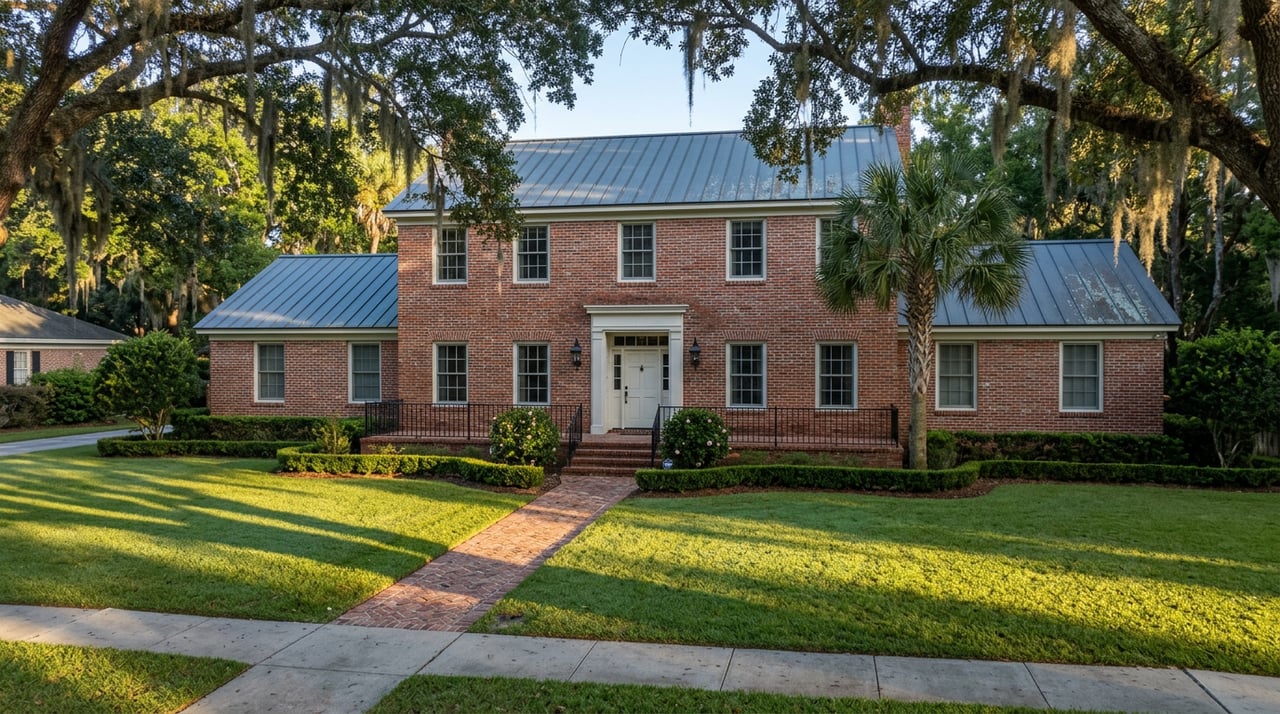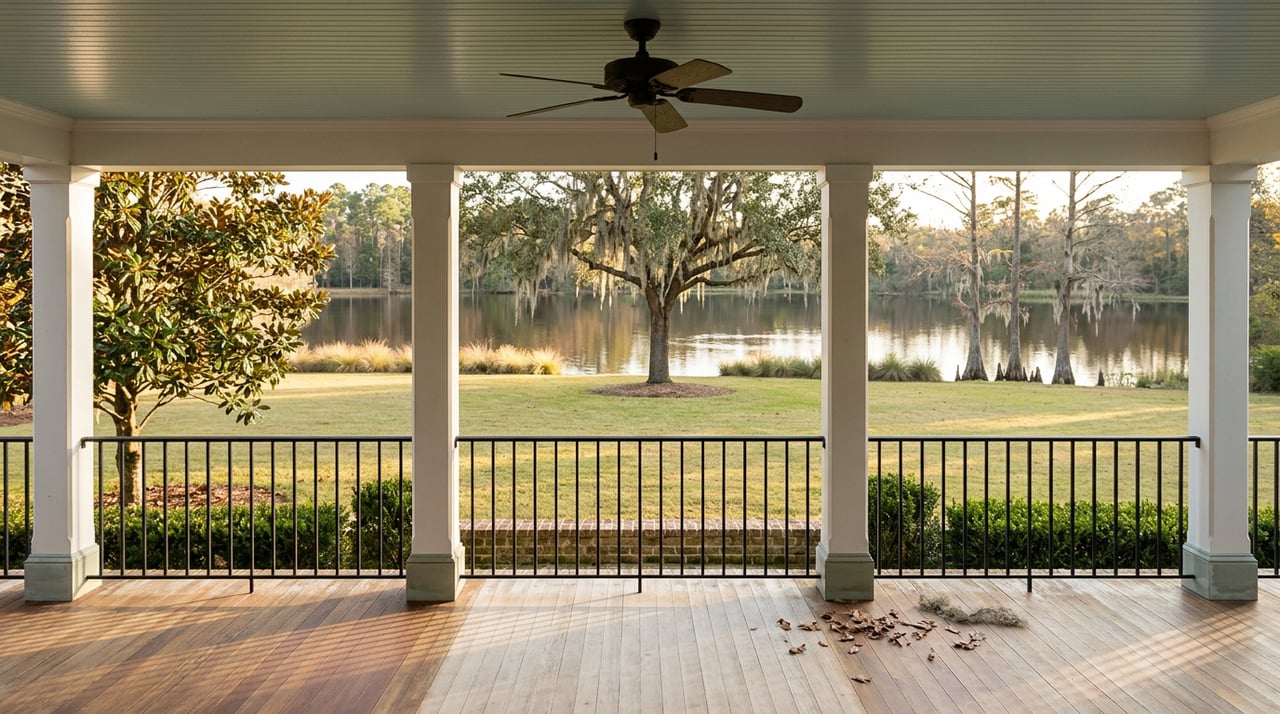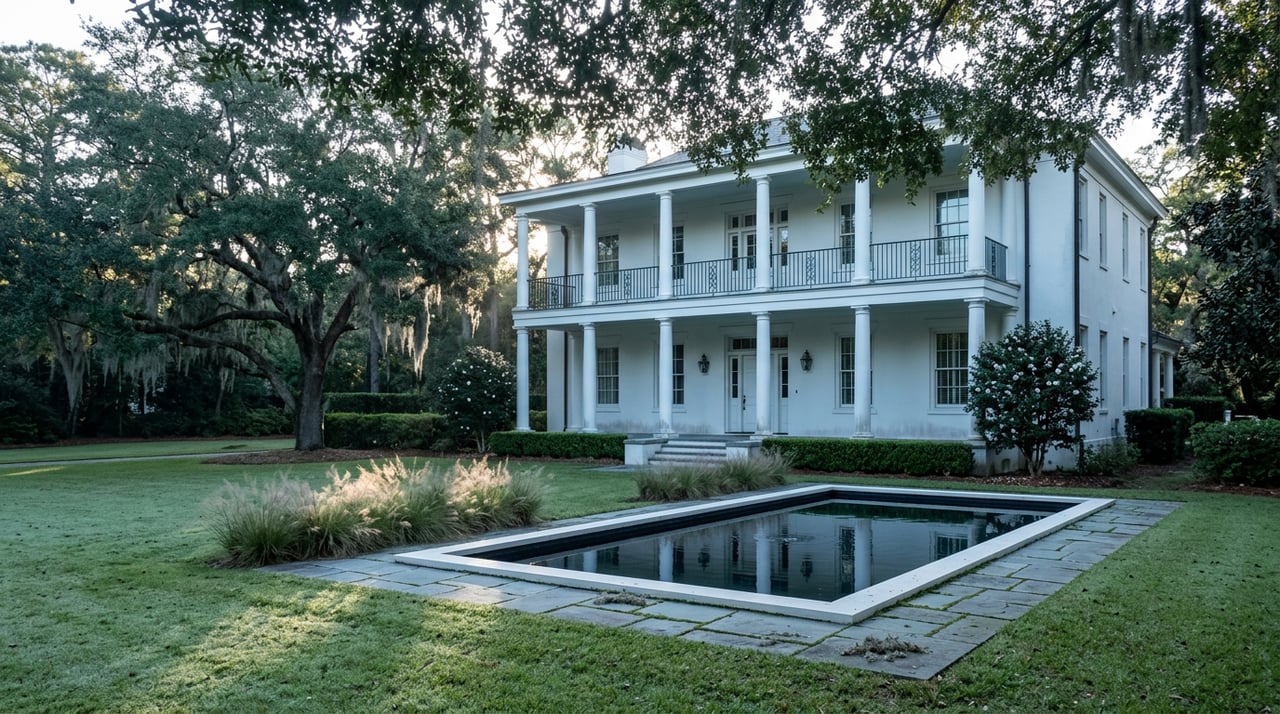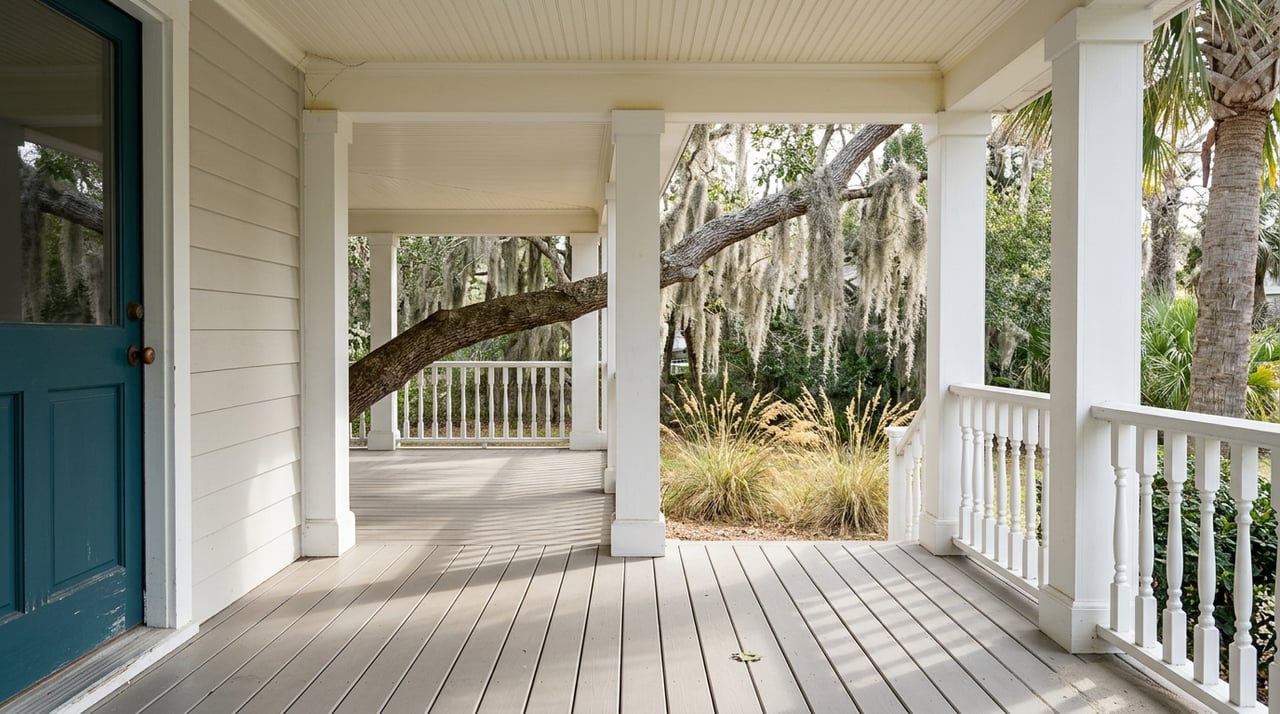
A Tybee listing this summer is really two listings stacked on top of each other. One is the house. The other is a file folder that either exists or does not: the short-term rental certificate, the occupational tax record, the room-tax remittance history, and the zone the parcel sits inside. Since June 2024, the second listing is where the money actually moves.
Sellers who understand that walk into pricing conversations with leverage. Sellers who treat their permit as a footnote hand a buyer a discount they didn't have to give.
The Ordinance That Turned Permits Into Non-Assets
Under Ordinance 08-2024, adopted by Tybee Island City Council on June 13, 2024, an STR certificate does not travel with the property at closing. The city's own workshop language is unambiguous:
"STR permits shall not transfer upon conveyance of the property. A new owner of a dwelling unit, formerly registered as an STR under the previous owner, shall be required to submit a new STR application and review fee."
The only exception written into the current framework is a joint-tenancy-with-right-of-survivorship transfer to an immediate family member, defined as a spouse, parent, sibling, or child of the permit holder. Everyone else, including a buyer at arm's length, starts over.
That would be a minor friction if new permits were still being issued. They are not. Since October 2022, the city has frozen new STR certificates across the R-1, R-1-B, and R-2 zoning districts, which cover roughly 85% of the housing on the island. Commercial C-1 and C-2 parcels remain eligible. In practical terms, if the home sits in a residential zone and the buyer wants to rent it short-term, the answer today is no, regardless of what the previous owner was doing.
A Timeline the Buyer Has Already Read
Any qualified buyer coming to Tybee this summer arrives having read the same four dates a seller should already know cold:
- October 2022. City Council freezes new STVR permits in R-1, R-1-B, and R-2. Existing permits are grandfathered.
- January 2023. The Tybee Alliance, a group of property owners and managers, files suit in Chatham County Superior Court arguing the ordinance exceeds the city's zoning authority under Georgia code.
- June 13, 2024. Ordinance 08-2024 passes 4-1 on second reading, killing permit transferability on sale, inheritance outside the family exception, or marriage.
- January 7-9, 2026. Judge Christopher Middleton hears oral arguments on the Tybee Alliance case. As WTOC reported, the plaintiff's theory rests on a state code provision that limits local governments from requiring registration or inspection of residential rentals absent probable cause. A ruling is pending.
That last date is the one that keeps a Tybee closing table honest. A plaintiff win likely reopens R-zone permitting and collapses the scarcity premium on existing certificates. A city win firms the same premium and clears the runway for a permanent island-wide cap.
The May 2026 Proposal, and Why It Reframes Every Grandfathered Permit
On May 27, 2026, Mayor Brian West's office presented amendments that would split the island into four sectors with distinct density caps. Eastern and southern zones, which include the beach and commercial district, would be permitted to run up to 60% STR density. Western and northern residential zones would be capped at 30%. The proposal contemplates a hard island-wide ceiling of 775 licenses, a waiting list buyers could join after acquisition, a reduction of the annual proof-of-use minimum from 60 rental days to 45, and extended code enforcement hours to 2 a.m. on Fridays and Saturdays to address the noise complaints Mayor West has identified as the actual community grievance.
For a seller, the meaningful line in that proposal is the waiting list. It is the first structural signal from City Hall that a future buyer of a grandfathered home may have a legal path back to a certificate rather than a permanent bar. Whether that softens or hardens the premium on a currently-permitted home depends on how deep the waiting list runs when the ordinance is finalized. Estimated STR-supply data circulating in industry write-ups puts residential STRs at roughly 657 units against roughly 741 in other zones as of early 2026, and the 775 cap would raise the residential ceiling only modestly.
What the Permit Gap Actually Costs at Closing
Investor underwriting from operators active on the island puts the price gap between a permitted grandfathered Tybee cottage and an otherwise comparable non-permitted comp at roughly $50,000 to $150,000, or about 15% to 20% of value at the mid-market. The precise number is deal-specific, but the direction is not: buyers pricing a Tybee acquisition today are running two separate pro formas, one that assumes revenue continues and one that assumes the property becomes a long-term rental or second home. The delta between those pro formas is what a seller either captures or gives away.
Where sellers most often surrender that delta is in disclosure. MLS remarks that say "transferable STVR" are, under Ordinance 08-2024, not accurate as written. The permit does not transfer. What can transfer, if the seller has kept the file clean, is a documented operating history the buyer can carry into their own application, whether that application is a waiting-list submission under the pending sector framework, a new permit in a C-1 or C-2 parcel, or a family transfer meeting the joint-tenancy exception.
The File a Tybee Seller Should Have Before Listing
Before any Tybee owner with STR history signs a listing agreement, the following should be assembled and dated:
- Parcel zoning designation. R-1, R-1-B, R-2, C-1, or C-2. The zone determines whether a new owner has any permit path at all.
- The current STR certificate. Valid January 1 through December 31, per the city. The City of Tybee extended the 2026 renewal deadline from March 31 to May 31, 2026, and any lapse in that renewal is a fact a buyer will find.
- Occupational Tax Certificate or the OTC exemption form on file with the city.
- Room tax remittance history. Tybee's local Occupational Room Tax runs at 7% and is due by the 20th of the following month, monthly, even in zero-revenue months. A gap in returns is a compliance question a buyer's attorney will raise.
- Rental-day documentation for the prior calendar year. The current 60-day proof-of-use minimum, potentially dropping to 45 under the May 2026 proposal, is a live standard, and inattentive owners have lost permits by failing it.
- Flood documentation. The elevation certificate and current NFIP or private flood quotes. This is not STR-specific, but a Tybee buyer running two pro formas is also running two insurance quotes, and a stale seller-side premium tends to widen the gap.
- A written acknowledgment of the transfer rule. Rather than list a property as "transferable STVR," describe what actually conveys: the physical improvements, the operating history, and a clean paper trail that a new owner can present to the city on their own application.
Sellers who present that file at listing generally see offers priced against the top pro forma. Sellers who let a buyer's due-diligence team assemble it from scratch tend to see the second one.
Frequently Asked Questions
Can I sell my Tybee STR home with the permit still active for the buyer? Not in R-1, R-1-B, or R-2 zones under Ordinance 08-2024. The certificate expires functionally at conveyance. In C-1 and C-2 zones, a buyer can still apply for a new permit, though acceptance runs through the current city process.
What if I transfer the property to a family member? The ordinance carves out a joint-tenancy-with-right-of-survivorship transfer on death of the permit holder to an immediate family member, defined as spouse, parent, sibling, or child. A new permit is required at the next annual renewal.
Does the pending lawsuit mean I should wait to list? That is a judgment call, not an answer. A plaintiff win in the Tybee Alliance case would likely erode the scarcity premium on currently-permitted homes. A city win would likely strengthen it. Timing a listing against a court ruling of unknown date is a risk profile some sellers accept and others do not.
Will the May 2026 four-sector proposal help my buyer? Possibly. The waiting list contemplated in the draft is the first mechanism that gives a future buyer a legal path back to a certificate. Whether that path is short or long depends on how the final ordinance sets sector caps and how quickly permits turn over.
Selling on Tybee has always rewarded owners who prepare more than they market. In 2026, that preparation is a documentation exercise as much as a staging one. If you own a Tybee home with STR history and are weighing a listing this summer or fall, Oliver Group can walk your file with you before the sign goes up and price the deal against what your paper trail actually supports.