Shopping for a home on Skidaway Island and wondering if your loan amount will tip into jumbo territory? You are not alone. With waterfront, marsh, and golf-community properties in the mix, many buyers need financing above standard limits. In this guide, you will learn when a mortgage becomes “jumbo,” what lenders typically require, how coastal factors like flood and wind insurance affect approval, and the best steps to move from offer to clear-to-close with confidence. Let’s dive in.
Jumbo loans: the basics
A jumbo mortgage is any first-lien loan amount that exceeds the conforming loan limit set by the Federal Housing Finance Agency. Conforming loans can be sold to Fannie Mae or Freddie Mac, while jumbo loans are usually held or securitized by private or portfolio lenders.
For 2024, the national baseline conforming limit for a one-unit property is $766,550. Chatham County is not typically designated a high-cost area, so that baseline applies to Skidaway Island and the Savannah metro. If your needed loan amount is above that number, you are in jumbo territory. Lenders and limits update annually, so verify the current year’s threshold when you shop.
Why Skidaway buyers use jumbo financing
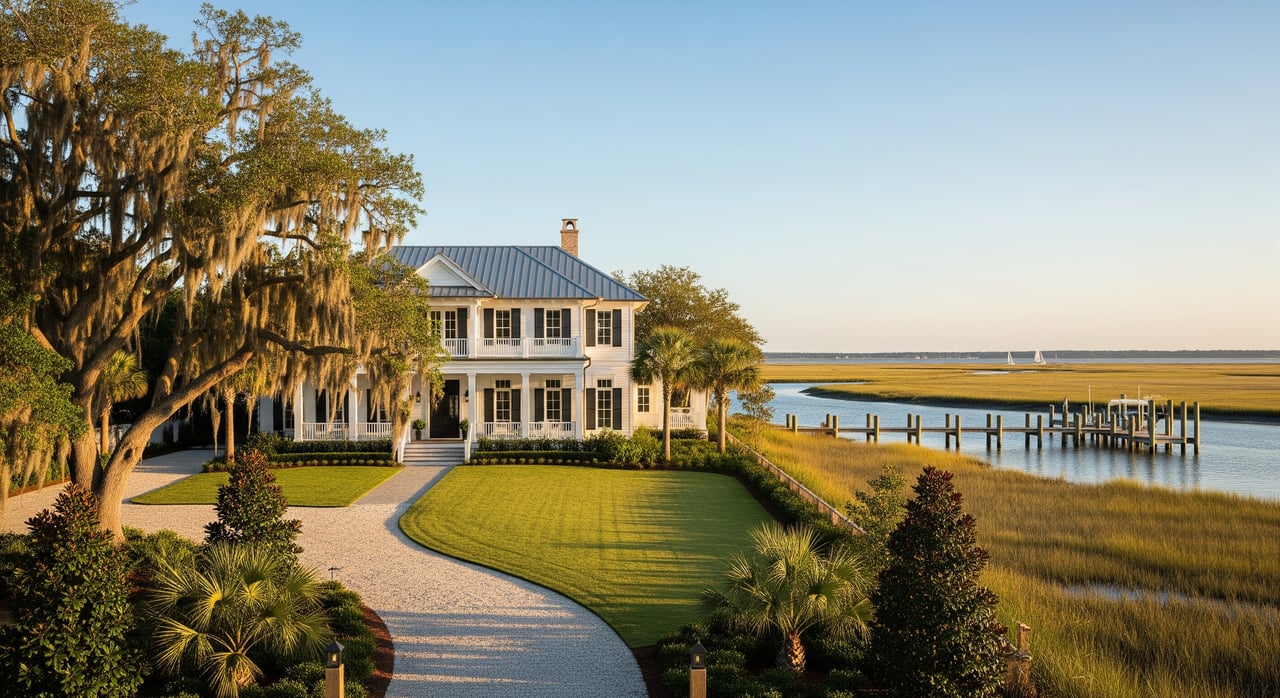
Skidaway Island’s homes often include large lots, golf views, and waterfront or marshfront exposures. Those features carry a premium compared to inland properties. Popular planned communities, including The Landings, add lifestyle amenities and strong buyer demand. Put together, these factors mean higher price points and a greater chance that your financing will exceed conforming limits.
What lenders look for on jumbo loans
Jumbo underwriting is designed to manage higher loan amounts and unique collateral. Expect a more thorough review of your profile and the property.
Credit score and history
Many jumbo lenders look for strong credit. For best pricing, target a score in the 720–740+ range. Some lenders allow lower scores with larger down payments or stronger reserves.
Down payment and reserves
Typical down payments are 10–20% for a primary residence, and many lenders prefer 20% or more as loan amounts increase. You should also expect 6–12 months of PITI reserves, and in some cases more depending on the loan size and your overall profile.
Debt-to-income ratios
Lenders commonly prefer a DTI under 43–45%. Some will stretch to 50% with compensating factors like exceptional reserves, income stability, or lower loan-to-value.
Documentation depth
Plan on full documentation: two years of tax returns and W‑2s when applicable, recent pay stubs, and bank or asset statements that support funds to close and required reserves. If you are self-employed, you may be asked for two years of business and personal returns and a current profit-and-loss statement.
Appraisal and collateral review
High-end coastal properties can be tricky to appraise. Your lender may require an appraiser with local experience, deeper comparable analysis, or even a second appraisal or review. Unique or custom homes and premium waterfront locations can lengthen timelines, so build that into your contract.
Insurance and flood considerations
Many Skidaway Island homes sit in FEMA-designated flood zones. Your lender will order a flood determination. If the home is in a high-risk zone, you must provide proof of adequate flood insurance. Coastal policies can include wind or hurricane deductibles that are larger than standard deductibles. Premiums and deductibles affect your qualifying ratios, so get quotes early. Elevation certificates or mitigation documentation, such as flood vents or pilings, can influence insurability and cost.
HOA and condominium review
If the home is in an HOA or POA community, expect your lender to review financials, budget reserves, and any known litigation or special assessments. For condos, lenders often require project approval criteria like owner-occupancy ratios and adequate reserves. If a condo project does not meet a lender’s criteria, your choices may narrow.
Utilities, septic, and wells
Some island homes rely on septic systems or private wells. Lenders may request inspections or documentation for capacity and compliance. If repairs or upgrades are needed, plan for extra time before closing.
Rates, terms, and products to consider
Jumbo pricing varies by lender and over time. Your rate can be close to conforming levels, but sometimes it is slightly higher due to lender risk and investor appetite.
Fixed-rate jumbo
Fixed terms at 15, 20, or 30 years provide predictable payments, which can be ideal if you plan to hold your Skidaway home long term.
Jumbo ARMs
Adjustable-rate mortgages often offer lower initial rates for a fixed period, then adjust. These can make sense if you expect to sell or refinance within the initial period or if you want payment flexibility in the early years.
Portfolio and non-QM options
Community banks or credit unions may keep loans on their balance sheets and can show more flexibility for unique income or property situations. Non-QM and bank-statement loans help some self-employed buyers who cannot document income in a standard way, though rates and pricing are usually higher.
Mortgage insurance on jumbos
Traditional government mortgage insurance is not available for jumbo loans. Some lenders may price the loan so you do not need MI, while others may offer lender-paid or borrower-paid private options. Often, a larger down payment is the cleanest path to avoid MI altogether.
Alternatives if you want to stay conforming
Not every Skidaway Island buyer wants a jumbo loan. Here are paths buyers use to keep the first mortgage conforming:
- Conforming first plus second mortgage: Commonly called 80/10/10 or 80/15/5, this splits your financing into a conforming first lien up to the FHFA limit and a second lien or HELOC for the remainder.
- Larger down payment: Bringing more cash can reduce the loan amount below the conforming cap.
- VA financing for eligible buyers: VA mortgages can support high purchase prices. For amounts above conforming limits, lenders may require additional down payment based on guarantees and overlays. Check current lender practices if you are VA-eligible.
- Seller concession or private financing: In select luxury transactions, sellers may offer credits or short-term financing solutions. These require legal review and must fit lender rules if you are combining with a first mortgage.
Each alternative comes with tradeoffs, from rate differences to closing costs and documentation. Compare total monthly payment, projected time in the home, and the cost to refinance later.
Skidaway-specific costs to plan for
Your lender will analyze payment and risk, but you should also budget for operating costs that are common on the island.
- Flood insurance: Required in high-risk zones and a key factor in monthly costs. Premiums vary widely based on elevation and mitigation.
- Wind and homeowners insurance: Coastal deductibles can be larger than standard policies. Ask for quotes before you finalize an offer.
- HOA or POA fees: Communities like The Landings and other island neighborhoods carry monthly or annual assessments and, at times, special assessments.
- Property taxes: Check current assessments with the county, then estimate taxes based on your purchase price. Factor this into your escrow.
- Maintenance for coastal homes: Salt air, docks, and specialty systems can add to annual upkeep.
Step-by-step path to a smooth close
Use this checklist to streamline your jumbo application and avoid surprises.
- Get fully pre-approved. Ask lenders to run a true underwrite, not just a pre-qualification. Include your income, assets, liabilities, and all properties you own.
- Compare lenders with coastal experience. Ask about overlays for flood zones, hurricane deductibles, HOA reviews, condos, and unique waterfront properties.
- Clarify down payment and reserves. Verify funds are sourced and seasoned. Ask for a detailed Loan Estimate that itemizes closing costs and prepaid items.
- Order insurance quotes early. Include homeowners, wind or hurricane coverage, and flood. If available, obtain an elevation certificate from the seller to refine quotes.
- Review HOA and condo documents. Budget, reserves, litigation, and special assessments matter to both your lender and your wallet.
- Prepare for a specialized appraisal. Expect longer timelines for unique properties. If you anticipate appraisal complexity, consider contract language that allows additional time.
- Address septic or well questions upfront. If applicable, schedule inspections and be ready to negotiate repairs or credits.
- Keep financials steady. Avoid big purchases, new credit lines, or large unexplained deposits during underwriting.
- Build timeline flexibility into your offer. Jumbo loans often take longer to close due to documentation and appraisal depth.
Timing and offer strategy
If you plan to finance above the conforming limit, start the process a few weeks earlier than you would for a standard loan. Appraisal scheduling, insurance quotes for coastal coverage, and HOA reviews can add time. A strong, fully documented pre-approval can help you negotiate timing with confidence, especially in competitive neighborhoods on Skidaway Island.
Work with local expertise
A jumbo loan on an island property is about more than a rate quote. It is about coordinating the lender, appraiser, insurance agents, and HOA to create a smooth path to closing. When you partner with a local team that understands Skidaway Island’s micro-markets and documents, you get ahead of complexity and protect your timeline.
Ready to explore options on Skidaway Island or The Landings? Connect with a team that knows coastal properties and how jumbo financing fits the local market. Reach out to The Oliver Group to start a conversation.
FAQs
What is the jumbo loan limit in Savannah for 2024?
- For a one-unit home, loans above about $766,550 are generally jumbo in Chatham County. Always verify the current year’s FHFA limit.
How much down payment is typical for a jumbo loan?
- Most buyers need 10–20% down for a primary residence, with many lenders preferring 20% or more as loan amounts rise.
Do jumbo loans require higher credit scores?
- Yes. You will usually see preferred minimums in the 720–740+ range for the best pricing, with flexibility tied to down payment and reserves.
How do flood and wind insurance affect jumbo approval?
- Premiums and deductibles increase your monthly costs, which impact qualifying ratios. Lenders also require proof of adequate coverage if the home is in a high-risk flood zone.
Can I avoid a jumbo loan on Skidaway Island?
- You can consider a conforming first plus second lien strategy, bring a larger down payment, or explore VA options if eligible. Compare total costs and timelines before deciding.