Picture your morning coffee with sea breezes and quiet waves, then a quick drive into Savannah for dinner and a show. If Tybee Island living is on your mind, you likely want a clear look at beaches, boating, daily rhythms and the realities of owning a coastal home. You also want straight answers on seasonality, flood zones, insurance and short‑term rentals. This guide brings it all together so you can plan with confidence. Let’s dive in.
Island snapshot and access
Tybee Island is a small barrier‑island town connected to the mainland by US‑80. You can usually reach downtown Savannah in about 20 to 30 minutes, which makes Savannah the hub for major shopping, healthcare and employment. The island has a year‑round population in the low thousands, and it swells during peak tourist season.
The climate is humid subtropical with hot summers and mild winters. Hurricane season runs June 1 to November 30, with peak risk in late summer and early fall. You can review seasonal norms and outlooks through the National Hurricane Center’s climatology resources from NOAA.
Beaches and shoreline highlights
Tybee’s broad sandy beaches are the center of daily life. The pier and pavilion area is lively and popular, while north and south stretches offer plenty of room to stroll, fish and relax. Many residential sections feel quieter, especially outside peak months.
For history and views, visit the Tybee Light Station area and explore nearby coastal landmarks like Fort Pulaski National Monument on Cockspur Island. Local marshes and dunes support birding and wildlife. To learn about conservation and local ecology, the Tybee Island Marine Science Center offers hands‑on programs.
Boating and water access
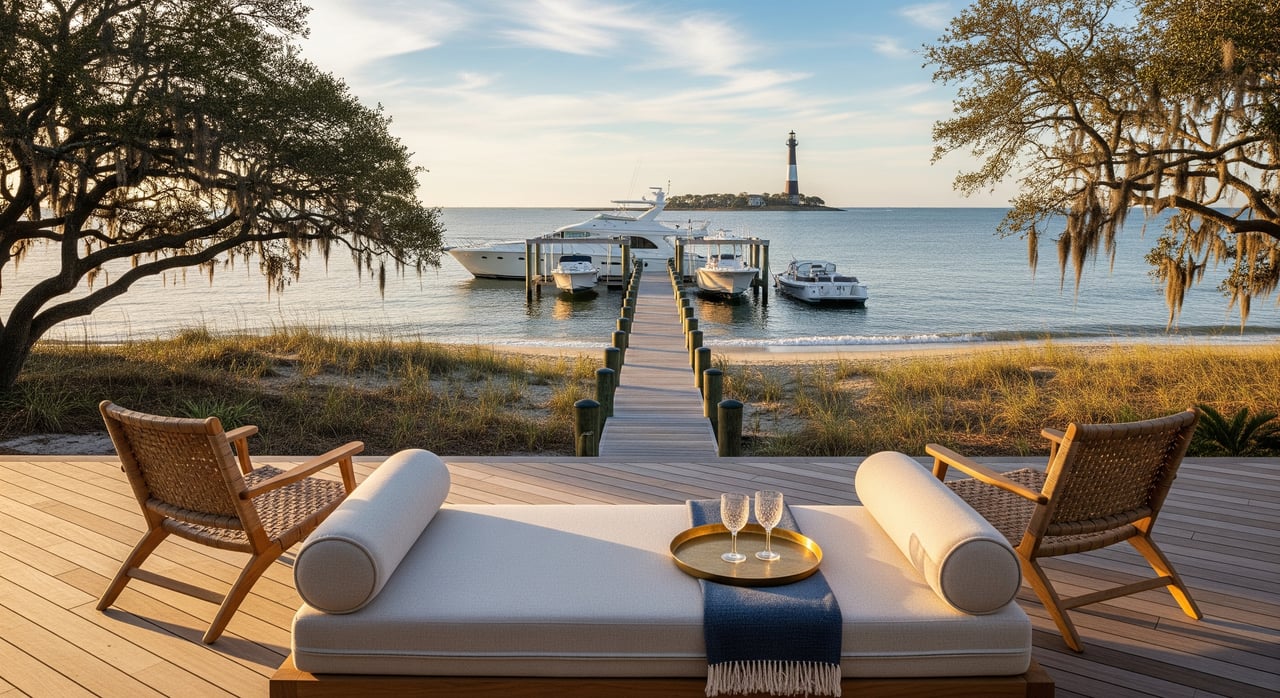
If boating is part of your lifestyle, you will find inshore creeks, back‑river routes for paddling and cruising, and offshore fishing access. The island offers public launches and dockage options. Slip availability can tighten in peak season, so plan ahead and confirm waitlists with local operators or the City of Tybee Island.
Safety and regulations follow Georgia and federal rules. Review boating requirements and education resources through the Georgia Department of Natural Resources. Tides and currents are a big factor in marsh and inlet navigation. Check local tide predictions with NOAA Tides and Currents before you head out.
Daily life on Tybee
Day to day, the island provides the essentials, including grocery and convenience options, casual dining and services that fit both residents and visitors. Many residents go to Savannah for specialty retail, big‑box shopping and professional services.
Public schools are served by the Savannah‑Chatham County Public School System. Elementary grades may have local options, and middle and high school students typically commute to the mainland. Always verify current assignments and transportation with SCCPSS.
For healthcare, island clinics and urgent care may cover routine needs, while major hospitals and specialists are in Savannah, such as Memorial Health University Medical Center. Emergency services are provided locally, and the city publishes hurricane preparedness and evacuation guidance via the City of Tybee Island.
Seasonality and what to expect
Summer brings visitors, busier roads and higher demand for short‑term rentals. Parking near popular beach access points can be tighter and wait times at restaurants longer. Off‑season, the island shifts to a quieter pace with a strong small‑town feel.
If you plan to rent your home, expect occupancy and nightly rates to vary by season. Returns depend on location, property condition, compliance with local rules and how you market and manage bookings.
Real estate essentials to know
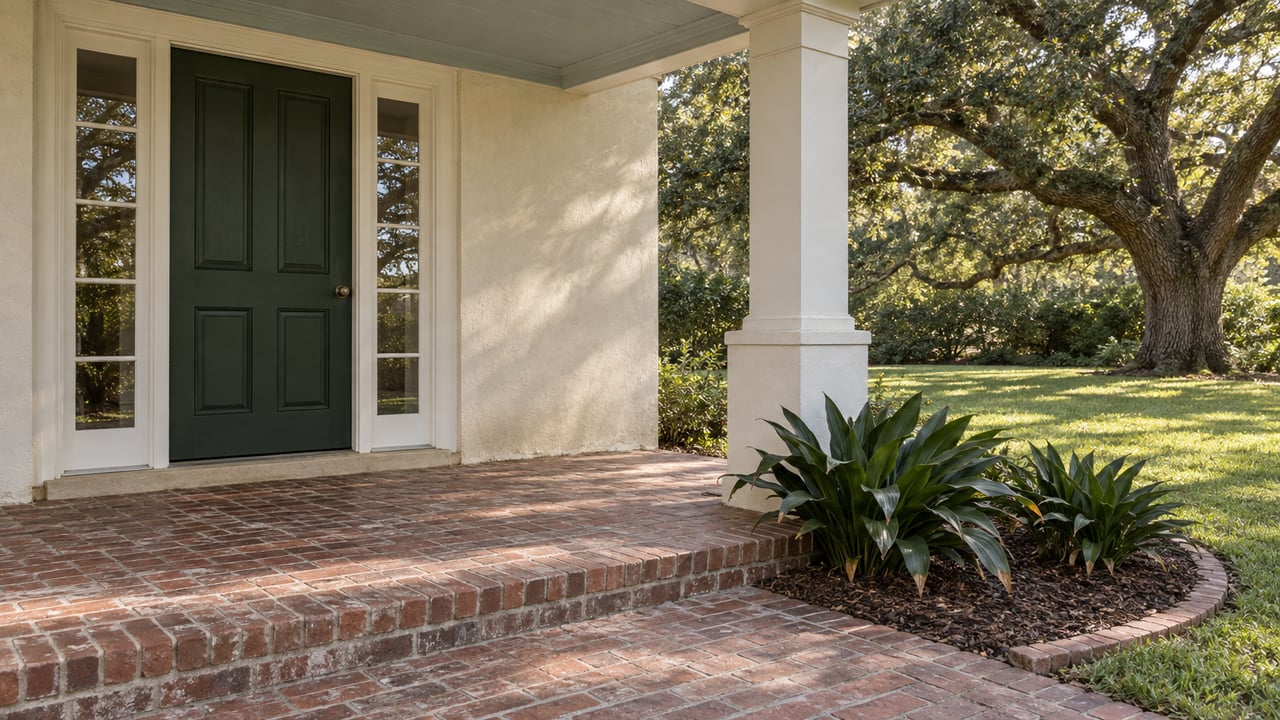
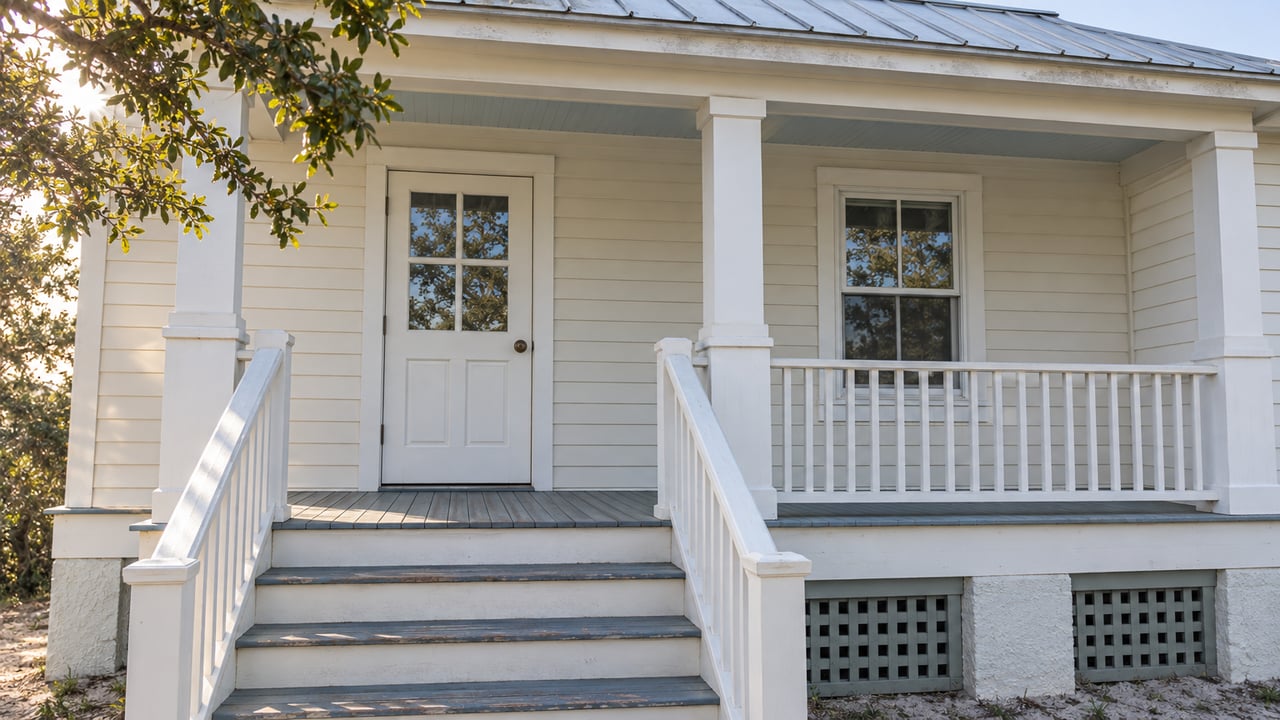
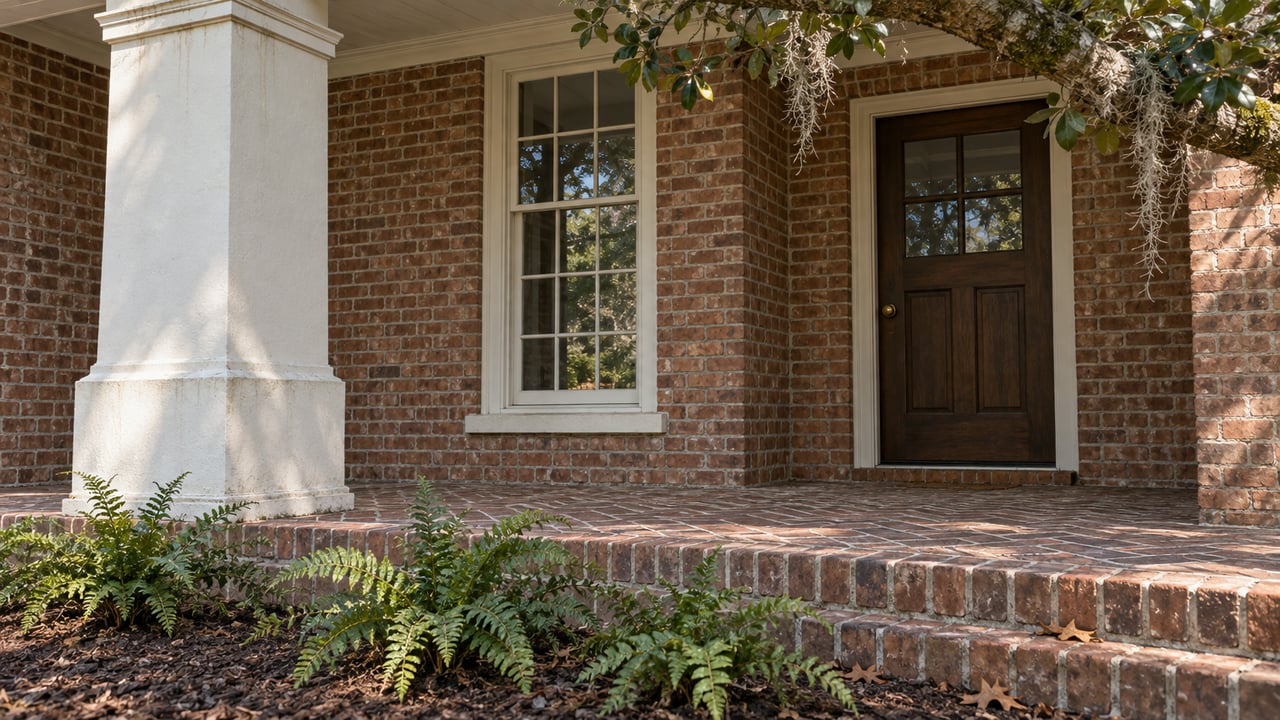
Tybee’s housing mix includes classic cottages, elevated single‑family homes, and smaller condo buildings. Inventory is often limited, and buildable areas are shaped by setbacks, floodplain rules and the realities of island geography.
Flood risk is a central part of due diligence. Many parcels sit within FEMA coastal flood zones such as AE or VE. Lenders usually require flood insurance in Special Flood Hazard Areas. Use the FEMA Flood Map Service Center to identify a property’s flood zone and Base Flood Elevation, and ask for an elevation certificate when available. Mitigation steps, such as elevating systems and impact‑rated openings, can reduce both risk and certain insurance costs.
Short‑term rental rules apply within city limits. Owners generally must register, comply with safety standards and collect transient occupancy taxes. Always confirm current requirements and permit status with the City of Tybee Island and review any HOA rules if you are considering a condo.
Coastal building codes influence how you renovate or expand. Elevation and wind‑resistance standards can affect design choices and budgets. Factor property taxes, insurance and maintenance into your carrying costs, and plan for contractor lead times that may lengthen after major storms.
Buyer due diligence checklist
- Pull the FEMA flood zone, Base Flood Elevation and any available elevation certificate. Start with the FEMA Flood Map Service Center.
- Request insurance quotes early, including flood coverage, so you can model true holding costs.
- Verify utility details: water, sewer or septic, and broadband options for the address.
- Confirm zoning, coastal setbacks, dune protection and any historic or design review overlays with the city.
- If you plan to rent, verify short‑term rental registration status, local taxes and HOA rules. Build realistic revenue and expense scenarios that reflect seasonality.
- Order a recent survey, and engage a coastal‑experienced home inspector who understands wind and flood issues.
Tips for Tybee sellers
- Time your listing with seasonality in mind. Peak months bring more visitors, while off‑season buyers may be more focused and serious.
- If your home has a rental history, organize accurate income and expense records. Buyers often weigh that data heavily.
- Prepare disclosures for any prior flood events, mitigation improvements and insurance claims. Documentation builds trust and can speed underwriting.
- Showcase features that matter on the coast, such as elevation, storm protection and outdoor living. Premium media and targeted marketing attract lifestyle buyers who value island living.
Ready to explore the next step on Tybee Island, whether buying or selling? You will benefit from local insight, clear communication and a marketing plan designed for coastal homes. Reach out to The Oliver Group for a thoughtful conversation and a plan tailored to your goals.
FAQs
What is hurricane season for Tybee Island?
- Hurricane season runs June 1 to November 30, and you can monitor seasonal climatology through NOAA’s National Hurricane Center.
How do I check a Tybee home’s flood zone?
- Enter the address in the FEMA Flood Map Service Center and request any elevation certificates from the seller.
Are short‑term rentals allowed on Tybee Island?
- Short‑term rentals require registration and tax compliance; verify current rules and permit status with the City of Tybee Island.
Where can I find boating rules and tide info near Tybee?
- Review Georgia boating guidance at the Georgia Department of Natural Resources, and check local tides with NOAA Tides and Currents.
What schools serve Tybee Island addresses?
- Public school assignments are set by the Savannah‑Chatham County Public School System; confirm details with SCCPSS.