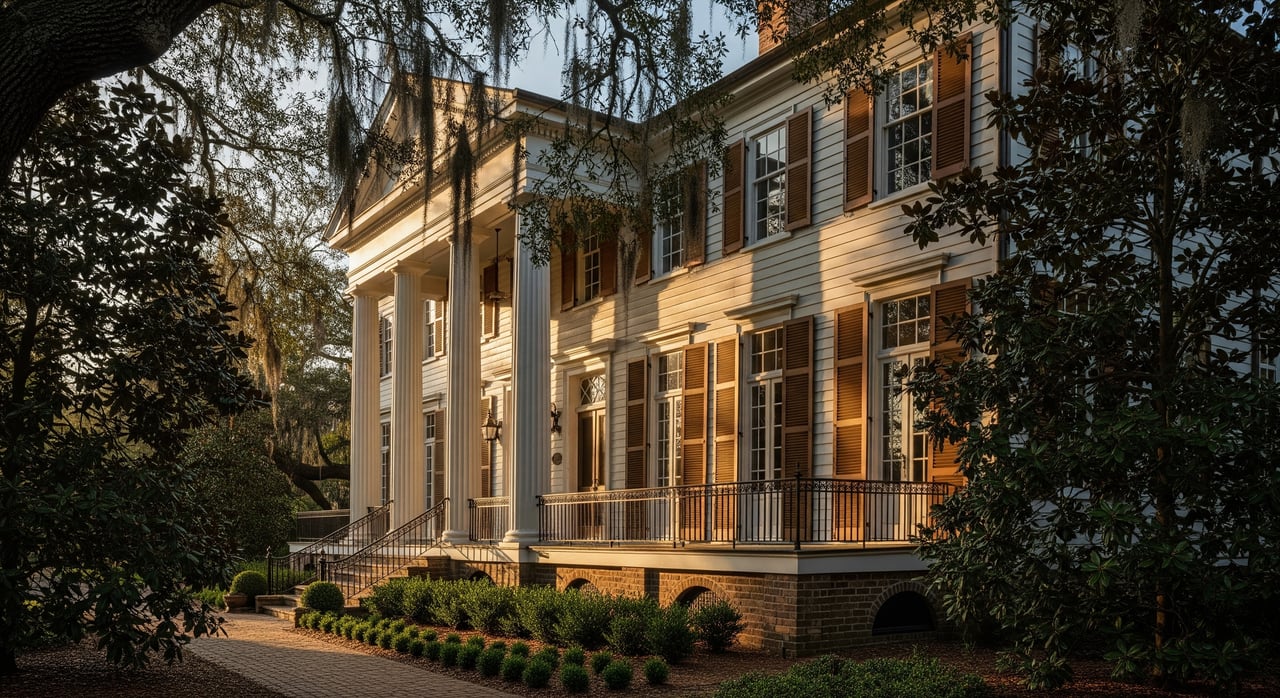
Thinking about buying a historic home in Savannah but not sure what you are looking at or what rules apply? You are not alone. The city’s charm comes with distinct architectural styles, local design review, and coastal risks that can shape your budget and timeline. In this guide, you will learn how to spot popular Savannah home styles, understand what restrictions might apply, and plan inspections, financing, insurance, and next steps with confidence. Let’s dive in.
Where Savannah history lives
Savannah’s downtown core includes the nationally significant Savannah Historic District and several locally regulated historic districts. Many homes date from the late 18th century through the early 20th century and sit within walkable, long-established neighborhoods.
You will find dense concentrations of older homes in the Historic District near the riverfront, the Victorian District, and early 20th-century neighborhoods like Ardsley Park. Each has its own mix of styles and lot patterns. Properties in these areas often command premiums due to location and character, while renovation and maintenance can run higher than newer homes.
Savannah’s coastal climate matters too. Flooding, storm surge, salt air, and hurricane winds are part of life on the coast. Flood risk and insurance availability are central factors to weigh as you shop.
How historic designations affect you
Not all “historic” labels work the same way. National Register and National Historic Landmark designations are honorary. They do not restrict what a private owner can do unless federal funding, permits, or licensing are involved.
Local historic districts are different. The City typically regulates exterior work visible from public streets. You will usually need approval for demolition, additions, new construction, roofing, windows, and materials. This is handled by a local review board and issued through a Certificate of Appropriateness.
Interiors are generally more flexible, unless a property has special interior landmark status. If you are considering a project, expect to submit an application, drawings, and documentation for exterior changes. Before you write an offer, verify whether the home is in a local district and look up any past approvals or code issues.
Spotting Savannah’s home styles
Savannah homes often blend features from multiple eras. Use these cues to get your bearings.
Georgian
- What to look for: Strict symmetry, a paneled center door with transom and sidelights, and multi-pane double-hung windows. Brick is common.
- Typical materials: Load-bearing brick with timber framing and lime-based mortar.
- Buyer watchouts: Aged masonry, moisture in raised foundations, and improper repointing. Historic brick usually needs compatible lime mortar.
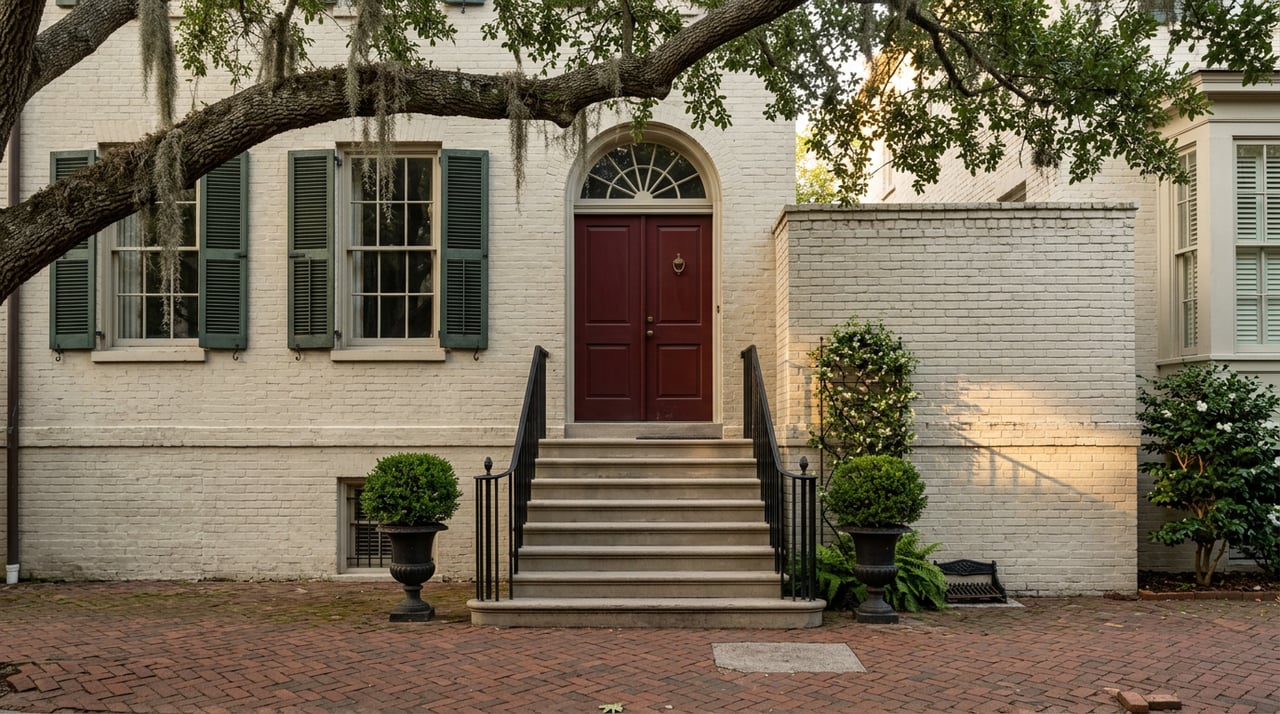
Federal
- What to look for: Refined ornament, elliptical fanlights over doors, narrow sidelights, and simple cornices.
- Typical materials: Brick exteriors, plaster interiors, and detailed woodwork.
- Buyer watchouts: Fragile decorative elements, outdated mechanical systems, and historic finishes hidden under later layers.
Greek Revival
- What to look for: Classical columns or pilasters, pedimented gables, bold cornices, and prominent entry porches.
- Typical materials: Wood or brick; exterior columns are often wood.
- Buyer watchouts: Rot in porch columns and entablatures, paint-layer build-up, and the need to keep classical proportions during repairs.
Italianate
- What to look for: Low-pitched roofs, wide eaves with decorative brackets, tall narrow windows, and ornate window hoods. Cast-iron details can appear.
- Typical materials: Brick or wood.
- Buyer watchouts: Decorative millwork repairs and masonry upkeep can add cost.
Victorian / Queen Anne
- What to look for: Asymmetry, turrets or bay windows, patterned shingles, and ornate porches and trim.
- Typical materials: Wood-frame with abundant decorative millwork and varied siding.
- Buyer watchouts: High exterior maintenance due to trim and porches. Plan for paint cycles and wood-rot repairs.
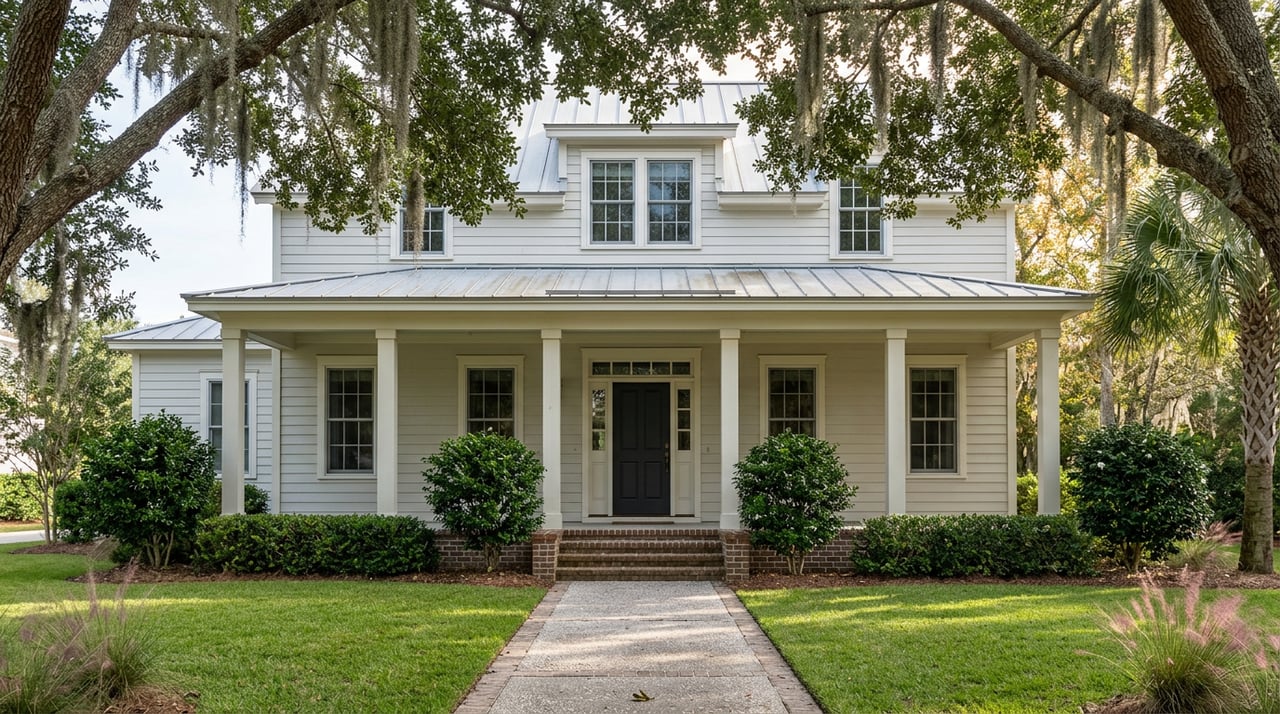
Colonial Revival
- What to look for: Symmetrical facades, classical details, and multi-pane windows inspired by earlier colonial forms.
- Typical materials: Varied, often with more modern interior layouts.
- Buyer watchouts: Moderate renovation needs and sometimes retrofitted systems that are ready for an update.
Craftsman / Bungalow
- What to look for: Low-pitched gabled roofs, broad porches with sturdy supports, exposed rafter tails, and built-in cabinetry.
- Typical materials: Wood-frame construction, often with generous porch structures.
- Buyer watchouts: Porch foundation settling and original electrical or plumbing that needs upgrading.
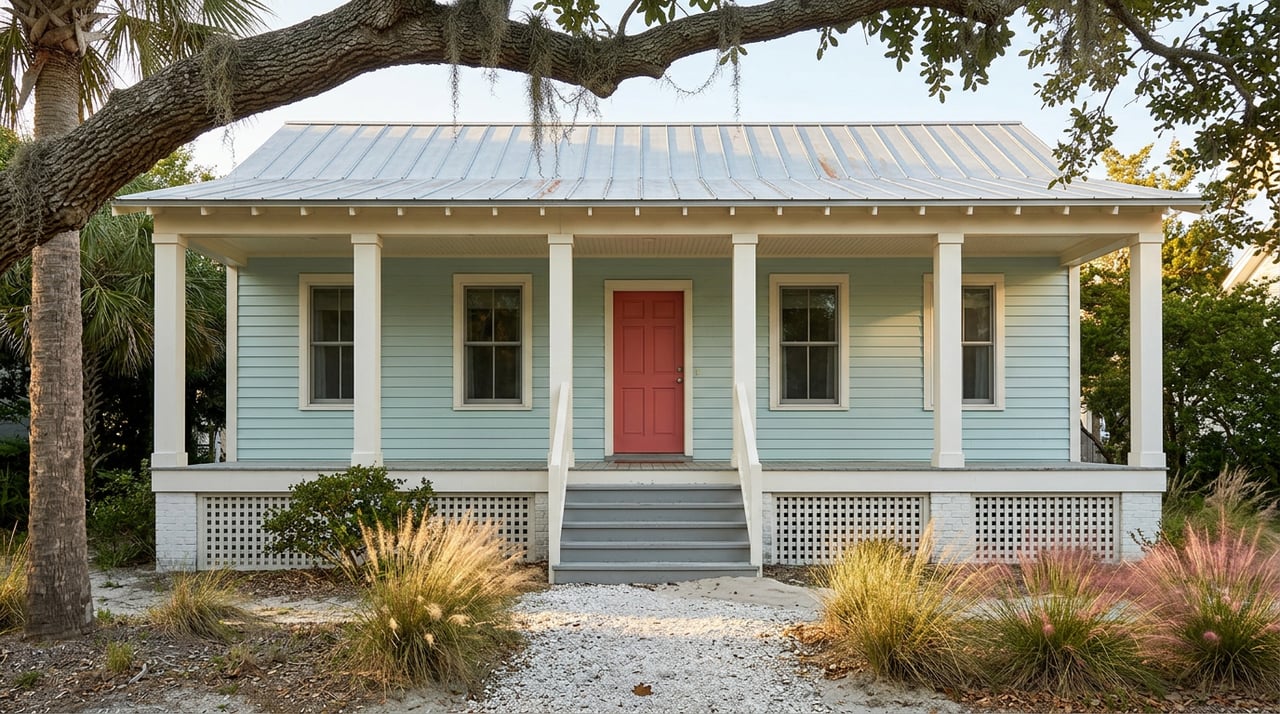
Coastal and raised cottages
- What to look for: One to one-and-a-half stories, full-width porches or side piazzas, and raised brick or pier foundations that promote airflow.
- Typical materials: Wood-frame with clapboard or weatherboard siding.
- Buyer watchouts: Foundation piers, subfloor ventilation, flood exposure, and moisture or termite risks.
Local features to notice
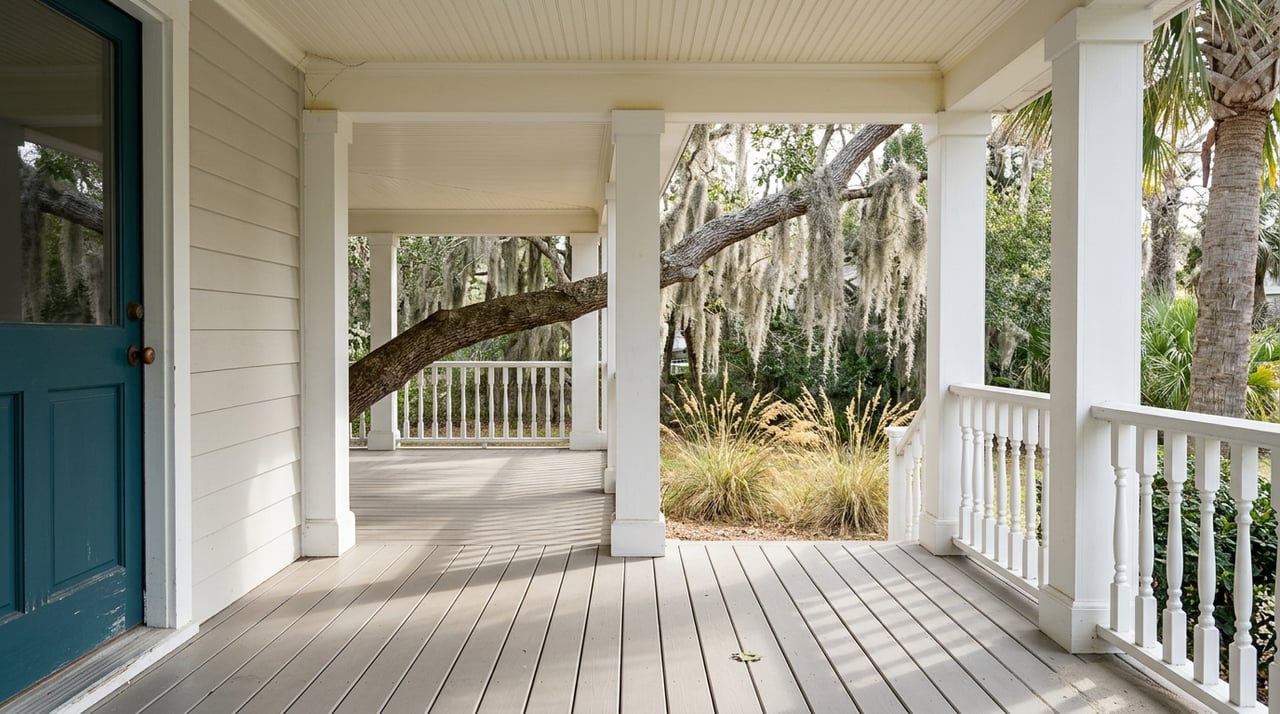
- Piazzas: Side or front porches that help with airflow and comfort in the southern climate.
- Raised foundations: Crawlspaces and raised basements are common. Look for drainage and ventilation solutions.
- Masonry mortar: Older brick typically uses lime-based mortar. Portland cement repointing can damage historic brick.
What to inspect first
Historic homes reward careful due diligence. Prioritize:
- Structural and foundation: Check piers, crawlspaces, joists, settlement, and signs of rot.
- Roof and attic: Inspect roofing, flashing, decking, and ventilation.
- Moisture and drainage: Look for rising damp, poor grading, crawlspace moisture, and mold.
- Pests: Review termite history and check for current activity or borer damage.
- Systems: Note electrical age and capacity, presence of knob-and-tube or ungrounded wiring, galvanized plumbing, and retrofitted HVAC.
- Exterior envelope: Evaluate siding, historic windows and frames, porch columns and decks, and masonry condition.
- Hazardous materials: Assume lead-based paint in pre-1978 homes. Some 20th-century materials may contain asbestos. Plan for safe abatement.
- Flood and wind readiness: Confirm elevation relative to base flood elevation, flood openings, hurricane straps, and window protection.
Tip: Hire inspectors who regularly work on older or historic structures. Consider bringing in a structural engineer, masonry specialist, or roofing specialist if your general inspection flags issues.
Maintenance and cost drivers
Your maintenance plan will depend on style and materials, but these costs show up often:
- Exterior paint and wood trim: Victorian and Queen Anne homes carry higher paint and carpentry costs due to ornate details.
- Window preservation: Restoring original windows can be cost-effective for character and performance. In local districts, replacements often must match historic profiles and sightlines.
- Masonry repointing: Use compatible lime mortar on historic brick. This is specialist work.
- Foundation stabilization: Raised or pier-supported cottages may need leveling or structural repair.
- Moisture mitigation: Improve grading, gutters, subfloor ventilation, and drainage on low-lying parcels.
Financing and incentives
Most buyers use standard mortgages, but lenders may require certain repairs before closing if issues affect habitability or safety. If you plan updates, consider rehabilitation loans that roll repairs into your mortgage:
- FHA 203(k) rehabilitation loan for owner-occupants.
- Fannie Mae HomeStyle Renovation loan for qualified borrowers.
- VA or other renovation options for eligible borrowers, based on current program rules.
Appraisals on historic homes should account for character and comparable properties. If your project is extensive, make sure your lender and appraiser understand the scope and local context.
Tax incentives can help in specific cases:
- Federal Historic Rehabilitation Tax Credit: Generally a 20 percent federal income tax credit for certified rehabilitation of income-producing historic properties that meet National Park Service standards. It usually does not apply to owner-occupied single-family residences.
- State-level programs: Georgia’s incentives can change over time. Check with the Georgia State Historic Preservation Office for current options.
- Local and nonprofit support: Groups like preservation foundations sometimes offer technical help, small grants, or revolving loan funds.
- Preservation easements: Donating an easement to a qualified organization can protect significant features and may carry tax implications for you and future owners.
Flood, wind, and insurance
Coastal risk is a core part of owning a historic home in Savannah. If a property lies in a Special Flood Hazard Area, lenders require flood insurance through the National Flood Insurance Program. Private flood policies are also available.
Wind coverage and premiums depend on roof condition, window protection, and the home’s elevation. Some insurers limit coverage for historic materials or set different replacement-cost assumptions. Get homeowners, flood, and wind quotes early in your process and verify how the home’s age and status affect coverage.
Smart next steps
Use this quick checklist before you write an offer:
- Confirm local district status and whether the home is a locally designated landmark.
- Request prior Certificates of Appropriateness and permit history from the City.
- Order a home inspection with pros experienced in older structures. Add specialty inspections as needed.
- Check FEMA flood maps and local floodplain data. Ask for an elevation certificate if available.
- Ask the seller for historic documentation, renovation records, and maintenance receipts.
- Get early quotes for homeowners, flood, and wind insurance specific to the property.
Then, build your team:
- Partner with a local agent who knows Savannah’s historic districts and coastal risks.
- Line up lenders familiar with rehab loans and appraisers who understand historic comparables.
- Identify contractors skilled in preservation trades, including masonry, wood repair, and window restoration.
Work with a local advisor
Buying a historic home here is about more than curb appeal. You are balancing character, regulation, climate, and long-term care. A knowledgeable local advisor can help you evaluate condition, timeline, and total cost of ownership so you can move forward with clarity.
If you are considering a historic property in downtown Savannah, the Victorian District, or early 20th-century neighborhoods around Chatham County, a tailored buying plan will make a real difference. From pre-offer due diligence to contractor referrals and insurance planning, the right guidance keeps your purchase on track.
Ready to explore historic homes with a local expert who knows the styles, rules, and risks that matter in Savannah? Reach out to Unknown Company to start your search with confidence.
FAQs
What makes Savannah’s districts unique for buyers?
- Local historic districts regulate exterior changes visible from public streets through a design-review process. Interiors are usually more flexible.
How do National Register listings affect renovations?
- National Register or National Historic Landmark status is honorary for private owners and does not restrict work unless federal funding or permits are involved.
Which historic styles in Savannah need the most upkeep?
- Victorian and Queen Anne homes often require more exterior maintenance due to ornate trim, porches, and complex paint cycles.
What inspections are essential for older Savannah homes?
- Prioritize structure and foundation, roof and attic, moisture and drainage, pests, electrical and plumbing systems, exterior envelope, and potential lead or asbestos.
Do I need approval to replace windows in a local district?
- Often yes. Local guidelines tend to favor repair over replacement, and any approved replacements usually must match original profiles.
Can I use tax credits on an owner-occupied historic home?
- The federal rehabilitation tax credit generally applies to income-producing properties, not owner-occupied single-family homes. Check with the state preservation office for current programs.
How does flood risk change my buying plan?
- If the home is in a Special Flood Hazard Area, your lender will require flood insurance. Confirm elevation, review flood maps, and get insurance quotes early.