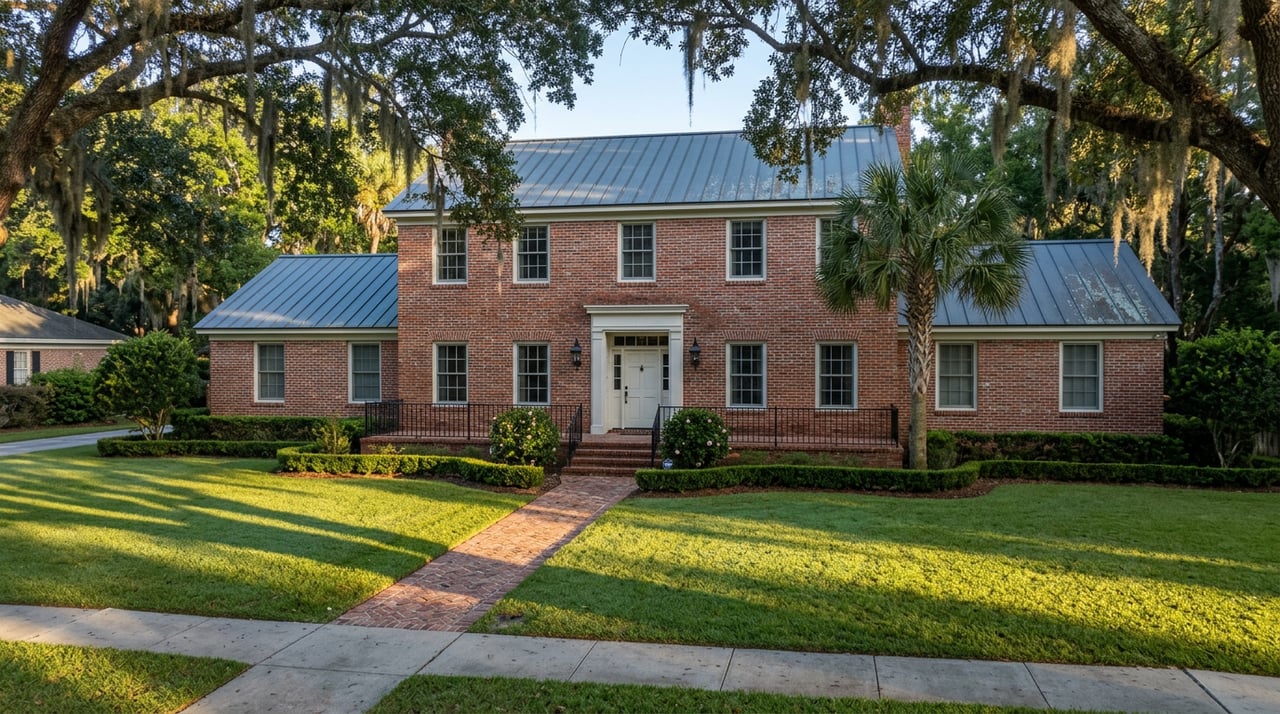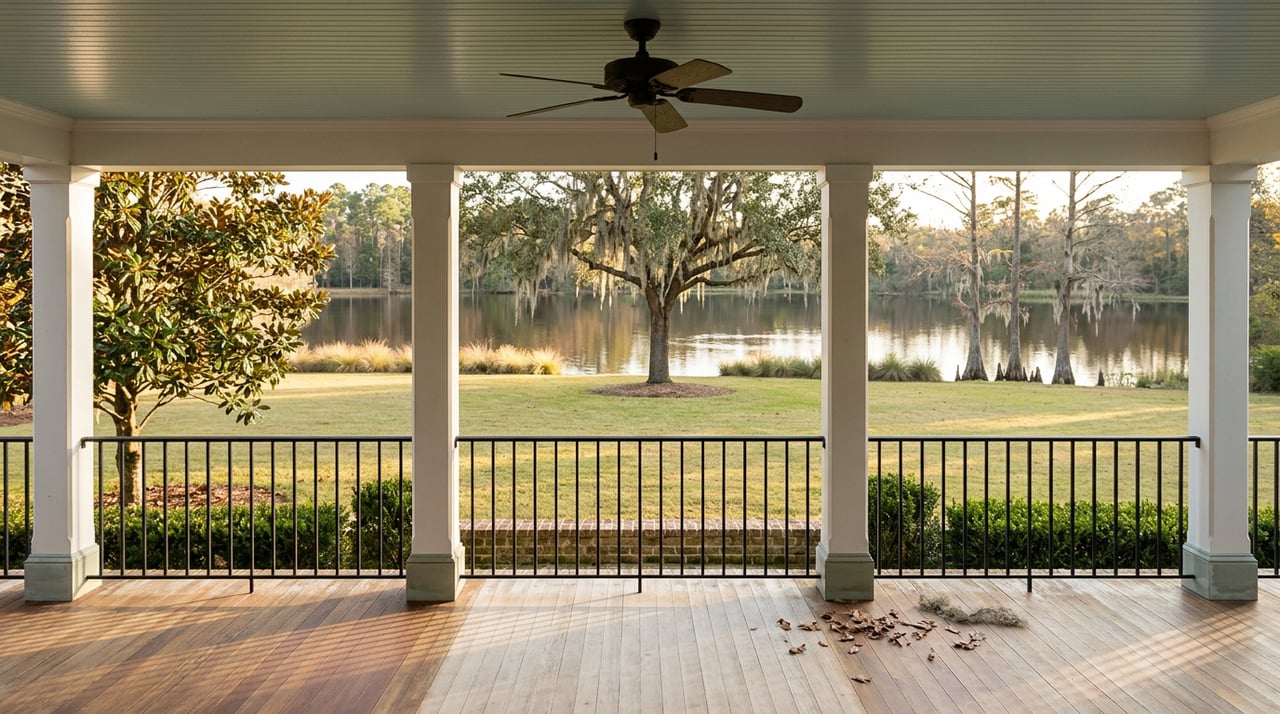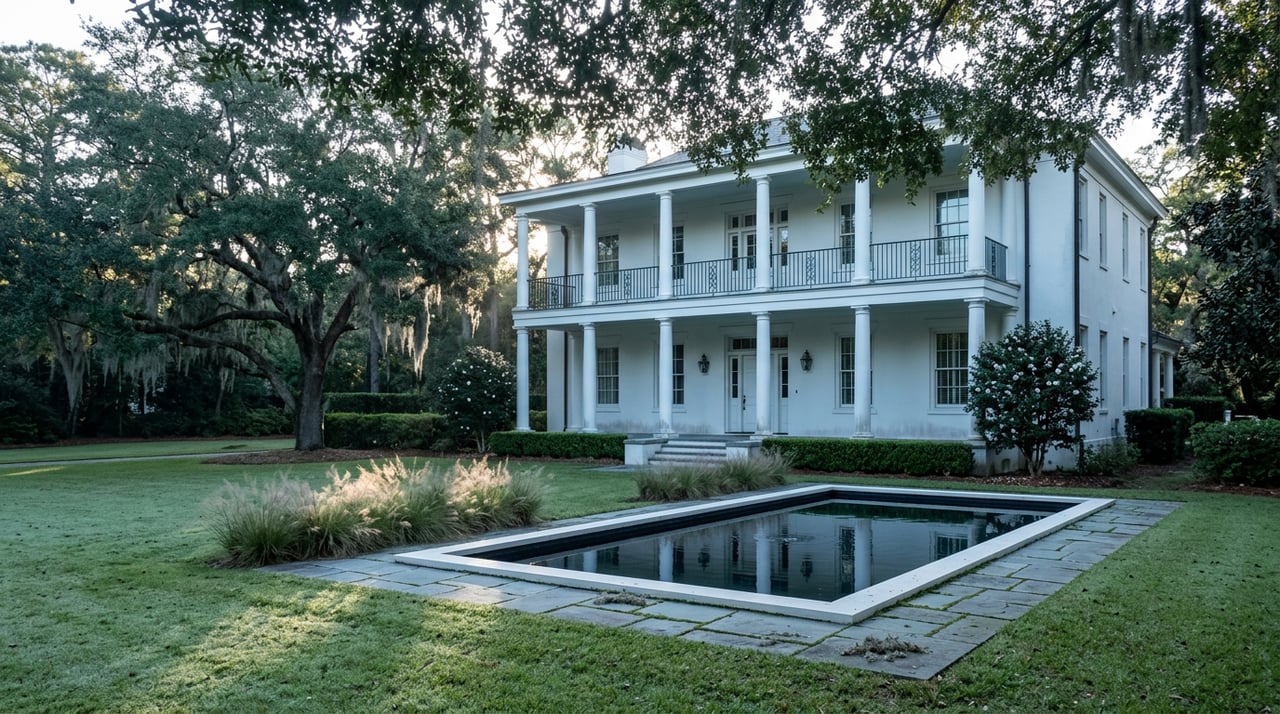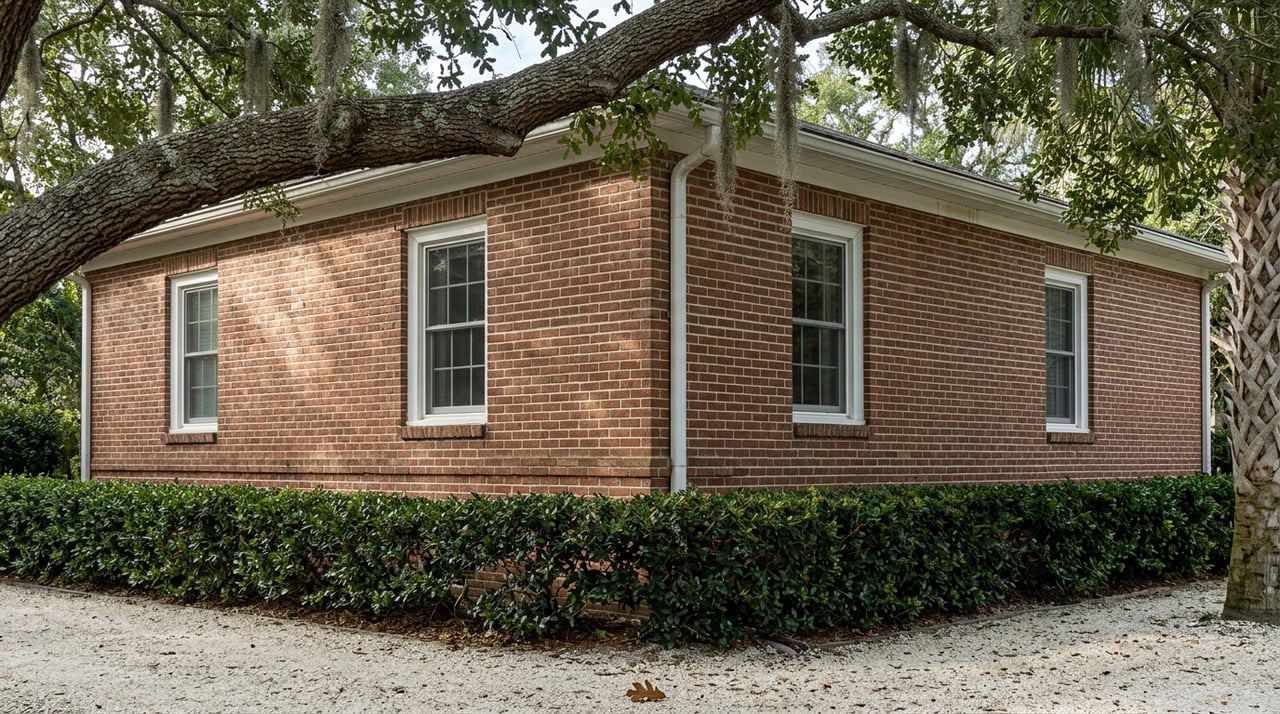
The Landings Golf & Athletic Club makes a persuasive case for self-containment. Six championship golf courses, seven restaurants, 31 tennis courts, 11 pickleball courts, five swimming pools, and a 52,000-square-foot wellness center — all accessible by golf cart on 30-plus miles of paved trails. When your community also has a grocery store, a pharmacy, and two deep-water marinas, leaving feels optional.
That framing, though, quietly writes off the western third of the island. Skidaway Island State Park sits at the end of the same Diamond Causeway that brought you home. It is not a day trip. It is a five-minute drive from the main gate. And right now, in May 2026, it is running a weekly program calendar that most Landings residents have never seen.
The State Park Is Running a Program You Didn't Know About
Skidaway Island State Park's 588 acres cover the western edge of the island: maritime forest, salt marsh, a boardwalk over the Skidaway Narrows, and four trails totaling six miles. What most residents miss is that the park's Visitor Center schedules rotating naturalist programs through the year — not seasonal festivals, but recurring weekly and monthly events designed for people who live nearby and want to show up more than once.
This month's calendar includes:
- Snakes of Skidaway: Meet the Corn Snake and Meet the Rat Snake — hands-on species programs at the Visitor Center
- Paint a Passerine — a guided watercolor session focused on the songbirds visible from the Sandpiper Trail, including the painted buntings that pass through in spring and summer
- Jewels of the Marsh: Diamondback Terrapins — a marsh ecology program at the boardwalk
- Plant ID Hike — a naturalist-led walk on the Big Ferry Trail
- Archery — hour-long range sessions, equipment provided, open to participants 10 and up, $10 per person, pre-registration required at 912-598-2300
Parking is $5 per vehicle. Most programs are free. The Visitor Center, which opened in May 2021, has floor-to-ceiling windows overlooking the park, live animal displays of native turtles and snakes, and a screened porch built specifically for birdwatching.
What the Big Ferry Trail Doesn't Advertise
The Big Ferry Trail runs three miles through pine and oak forest, with an optional earthworks loop that pushes the total close to three miles. Bicycles and leashed dogs are welcome. Plan two hours if you're doing the full route.
The trail passes through freshwater sloughs — pronounced "sloos" — that rise and fall with rainfall and sometimes hold a resident alligator. It crosses a sandy causeway over the largest tidal creek that cuts through the park, where the force of the tide is visible every six hours as water rushes in and out of the marsh. The observation tower at the far end faces the Intracoastal Waterway, the same waterway that connects Landings Harbor Marina to open coastal waters.
The historic layer is the part most people skip. Before the Diamond Causeway bridge opened in the 1960s, Skidaway's isolation made it productive territory for illegal distilling during Prohibition. Park rangers have identified 31 liquor still sites across the property. The Big Ferry Trail passes one of them, and interpretive signs mark the site. The Sandpiper Trail, a one-mile ADA-accessible loop starting directly behind the Visitor Center, passes Confederate earthworks and the location of a 1930s moonshine operation.
The Visitor Center's centerpiece is a 20-foot replica of a prehistoric giant sloth skeleton. The original was uncovered on Skidaway Island in 1822 — the first such skeleton discovered in the United States.
That single fact tends to reframe how residents think about the land they're living on.
The 700-Acre Campus at the North End
Most Skidaway Island residents are aware, in a general way, that the UGA Skidaway Institute of Oceanography exists. Fewer have walked the Jay Wolf Nature Trail, a boardwalk on the SkIO campus that overlooks the Skidaway River at the point where it meets the tidal estuaries surrounding the island.
The Institute's campus covers 700 acres on the north end of Skidaway, with most of that land undeveloped forest and marsh. The research vessel R/V Savannah operates out of the campus, and the facility includes the Saltmarsh Ecosystem Research Facility and the largest marine sciences library in Georgia. The campus was created in 1967 by the Georgia General Assembly, merged with UGA in 2013, and has been training undergraduate ocean science students in residence since fall 2022.
The Jay Wolf Nature Trail is short, but it offers something the State Park trails don't: a direct view of the Skidaway River at a working research site, with tidal ranges that average six to eight feet. At low tide the mud flats and oyster reefs at the marsh base are fully exposed. At high tide, only the tips of the marsh grass break the surface. The adjacent UGA Marine Extension aquarium, which shares the campus, occasionally runs public education programs.
Inside the Gates: Skidaway Farms and The Rookery
Two underused assets sit inside The Landings itself.
Skidaway Farms, founded in 2011, is a community garden spread across two acres on the island. It offers 200 plots in 10-by-20-foot dimensions and 20 raised beds, with sections for both conventional and organic growing. The farm also maintains communal herb and flower beds and working beehives, which produce honey and support pollination across the vegetable sections. Plots rent on an annual basis and are open to Skidaway Island residents.
The Rookery is a nature preserve in the Deer Creek neighborhood, at the northwest edge of The Landings. It sits near tidal lagoons, marshland, and views extending toward Isle of Hope. It's mentioned in Landings lifestyle materials but rarely appears in how residents actually talk about spending a morning. The Deer Creek neighborhood's trail system runs alongside it, and the area is one of the better spots on the island for watching wading birds without leaving the community.
Deer Creek A Coastal Grill, one of the seven Landings Club restaurants, sits adjacent to the 18th green of the Deer Creek Course with a covered patio and an outdoor fire pit area. The menu sources seafood from within 50 miles of the Club and from local farms. It handles golf lunches and Friday dinners — but it also works as a destination after a morning on the Big Ferry Trail, which is four miles and one security gate away.
The Island as a Whole
The instinct on Skidaway is to measure the island by its club. That's reasonable — The Landings Golf & Athletic Club has invested more than $62 million in renovations over the past decade, and the infrastructure reflects it. But the island extends well past the gatehouse in both directions: west toward the State Park's trails and monthly naturalist programs, north toward a working oceanographic research campus with public trail access, and inward toward a community garden and nature preserve that most members visit once and then forget about.
The Korn Ferry Tour plays the Tom Fazio-designed Creek Course at The Landings each spring for the Club Car Championship. The painted bunting breeds in the coastal scrub just outside the fence. Both things are true of the same island at the same time.
Residents who treat the club as the whole picture are getting a partial return on where they live. The outdoor infrastructure on Skidaway — club trails, State Park programs, UGA campus access, Skidaway Farms, two marinas, the Intracoastal Waterway — is dense enough to fill a week without repeating anything. Most of it requires nothing more than knowing it exists.
If you own a home on Skidaway Island and are thinking about what it's worth today, Nicholas Oliver brings direct experience with this market and the premium marketing tools to match. Request a home valuation and find out where your property stands.