Wondering whether gated living on Dutch Island feels more like a private retreat or a tightly managed neighborhood? The answer is a bit of both, and that is exactly why many buyers take a close look here. If you are considering Dutch Island in Savannah’s 31406 area, this guide will help you understand the setting, amenities, rules, and day-to-day rhythm so you can decide whether it fits the way you want to live. Let’s dive in.
Dutch Island at a glance
Dutch Island is a private, gated residential community near Isle of Hope and the Herb River in Chatham County. According to the HOA, the neighborhood includes roughly 450 to 500 homes spread across more than 500 acres, so it offers a sizable footprint without feeling like a massive master-planned development.
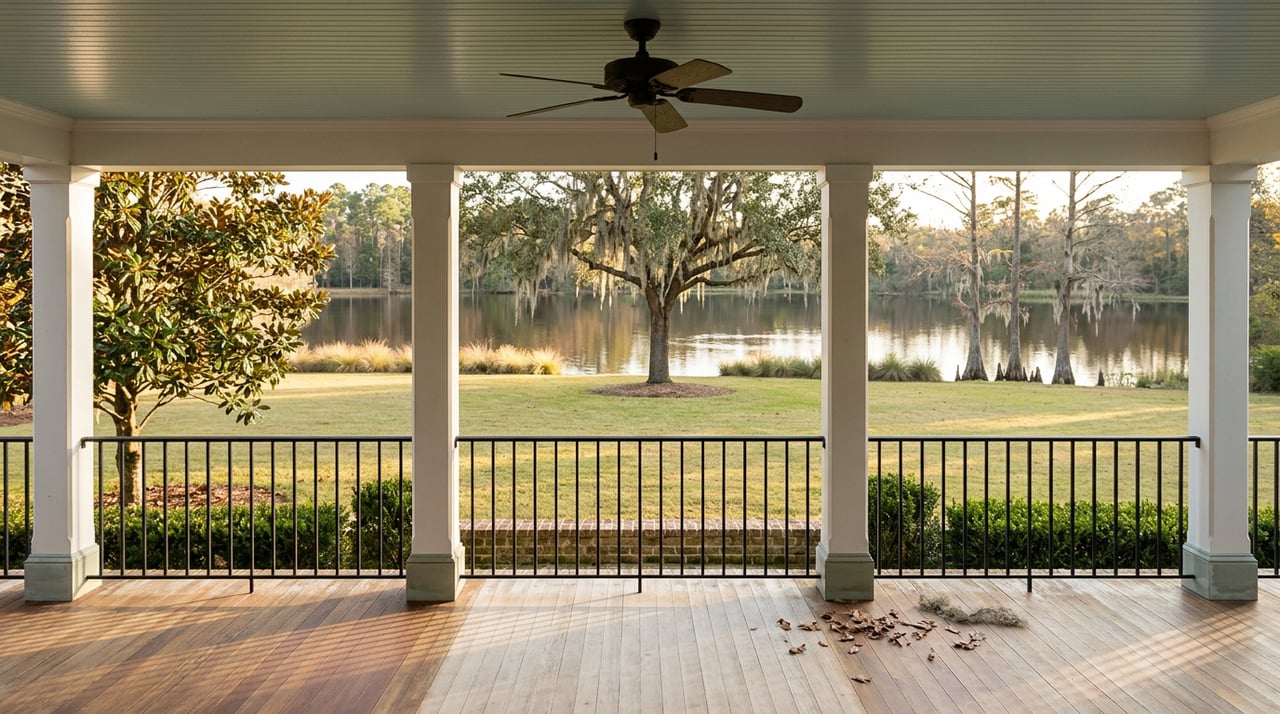
The overall feel is more laid-back coastal neighborhood than resort complex. You will find marsh views, common lagoons, and resident-managed shared spaces, with an HOA structure that appears highly organized and communication-focused.
What gated living means here
On Dutch Island, the gate is not just a visual feature at the entrance. It is part of everyday life. The community is private, public entry is prohibited, and vehicles need to be registered or cleared through the gate system.
Residents use decals, guest passes, frequent-visitor passes, contractor passes, and a visitor-management app. The gatehouse is staffed by contracted security personnel, and the HOA’s access-control rules are detailed enough to show that entry policies are actively enforced.
That structure can be a real plus if you value a more controlled environment. At the same time, it is important to understand that the neighborhood operates with clear expectations, not a casual come-and-go setup.
Expect a rule-based routine
Dutch Island has a distinctly managed feel. The HOA notes that residents are not allowed inside the gatehouse itself, and access-policy violations can lead to disciplinary action.
For some buyers, that creates peace of mind and a stronger sense of order. For others, it may feel more structured than they want. If you are considering a home here, it helps to be honest about how comfortable you are with detailed community rules.
Golf carts are part of daily life
Golf carts are a visible part of life on Dutch Island. The HOA says they are frequently used in the neighborhood, and drivers must be at least 16 years old and licensed.
That detail says a lot about the island’s rhythm. You can expect a neighborhood where short trips to amenities and visits with neighbors often happen at a slower, more coastal pace.
Amenities shape the lifestyle
Dutch Island’s amenities are practical, outdoor-focused, and resident-centered. This is not a community built around a large private club. Instead, the lifestyle revolves around shared spaces that support recreation and everyday connection.
The amenity package includes:
- A dock and boat ramp on the Herb River
- A pool, kiddie pool, and covered patio area
- Tennis courts
- A playground
- A basketball court
- An athletic field
- Common lagoons and managed green spaces
That mix gives the neighborhood an active feel without making it feel commercialized or resort-heavy.
The dock and boat ramp stand out
For many buyers, the biggest draw is the resident-only dock and boat ramp on the Herb River. The HOA describes this area as having limited boat traffic and a no-wake setting, with access for fishing, crabbing, swimming, and sunbathing.
If you are drawn to coastal Savannah for boating and water access, this amenity can be a major part of Dutch Island’s appeal. It supports a lifestyle that feels connected to the water in a very direct, everyday way.
Boating requires local knowledge
There is an important practical detail to know about the water here. The HOA advises new boaters to ask neighbors for guidance because the area has 8 to 10 foot tidal swings, along with oyster bars and sandbars.
That does not mean boating is out of reach. It means the experience is tidal, local, and best approached with a little humility and neighborhood insight.
Pool and recreation feel neighborhood-focused
The pool is designed for residents and their guests, with summer lifeguards and rules that emphasize safety and supervision. That setup supports a more community-oriented experience rather than a public or club-style one.
The tennis courts, playground, basketball court, and athletic field round out the recreational side of the neighborhood. Together, they create spaces where residents can spend time outdoors without leaving the island.
The social side is more neighbor-driven
Dutch Island appears to be more relationship-based than club-based. The HOA provides a community calendar, newsletters, board updates, and resident access tools, and it also mentions community events and a resident Facebook page.
That points to a neighborhood where social life grows through the pool, dock, courts, and HOA communication channels. If you want an active community without a large club infrastructure, that balance may feel appealing.
What homes on Dutch Island look like
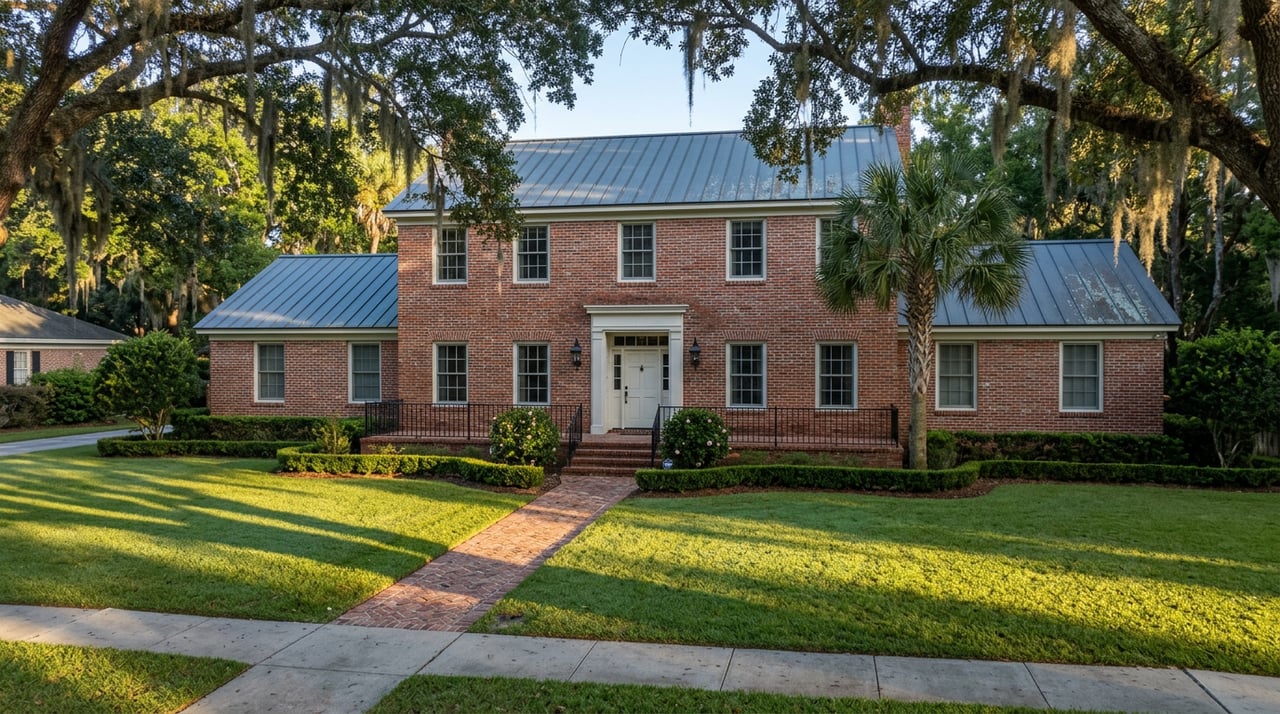
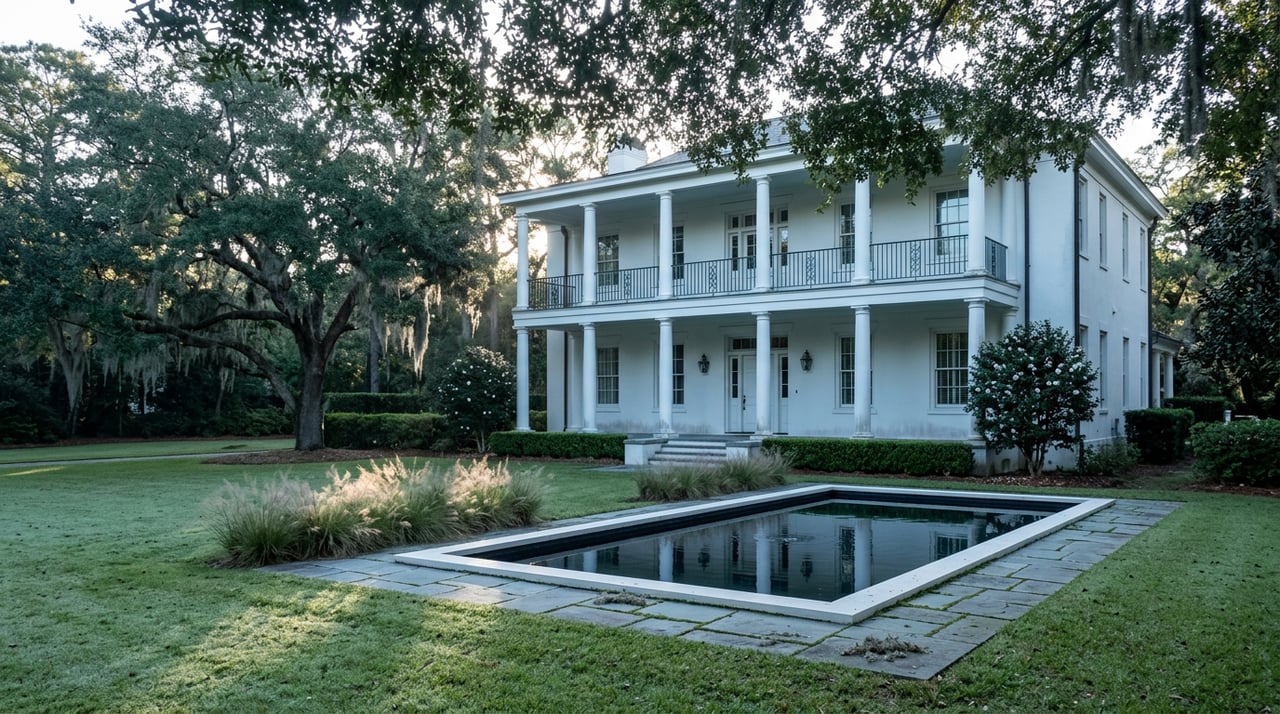
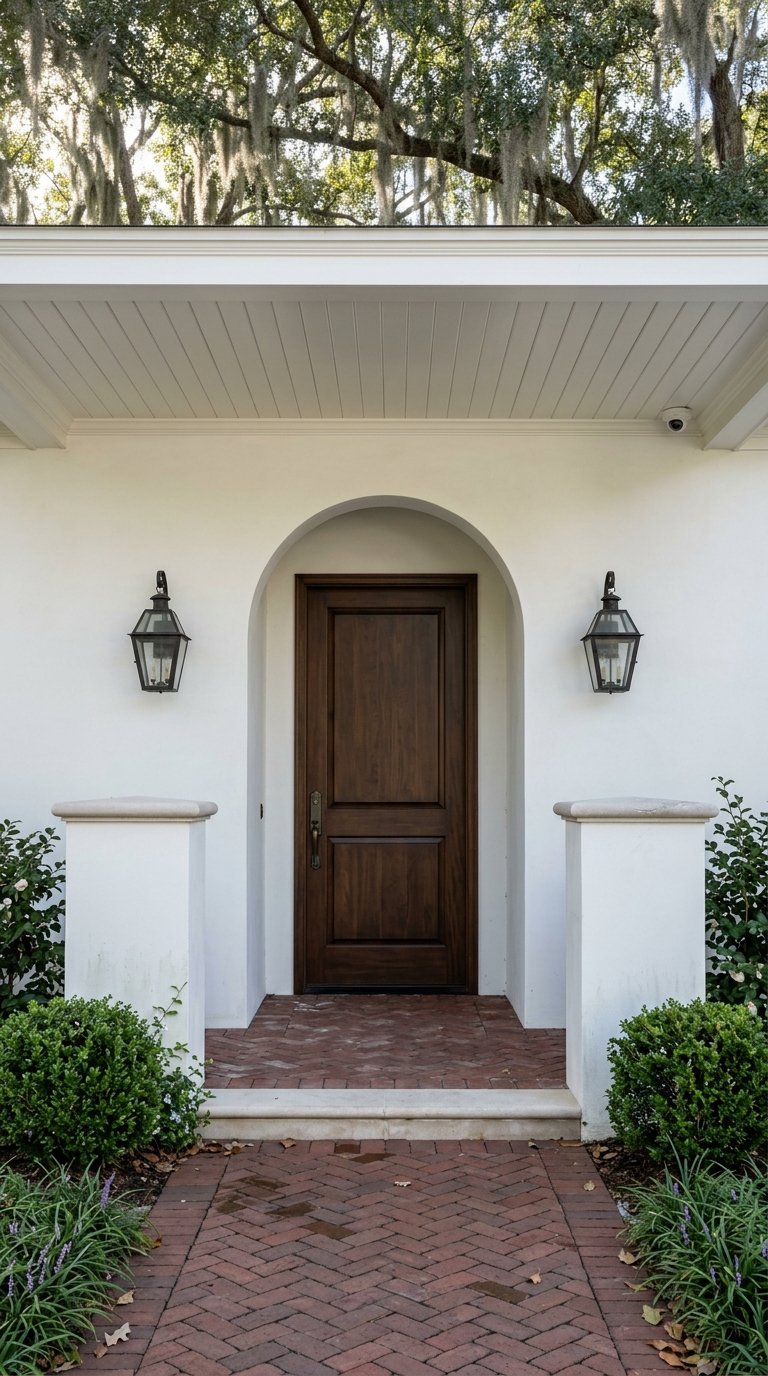
Recent sales suggest a fairly consistent home profile. Many homes are single-family properties with 4 to 5 bedrooms, 3 to 4.5 bathrooms, and roughly 3,400 to 4,900 square feet on lots around 0.44 to 0.55 acres.
That puts Dutch Island firmly in the larger-home category for the Savannah coastal market. Some recent sales also show how much orientation matters, especially when a property has lagoon frontage, a pool, or a stronger connection to the water.
Pricing and market position
Recent market data points to Dutch Island as an upper-end neighborhood in the Savannah area. Redfin reports a median sale price around $1.0 million, with homes averaging about 47 days on market and selling slightly under list price on average.
For buyers, that suggests a market where pricing still matters even in a sought-after location. For sellers, it reinforces that presentation, positioning, and local pricing strategy are especially important in this price range.
HOA expectations you should understand
One of the clearest truths about Dutch Island is that ownership comes with active HOA oversight. That is not necessarily a negative. It is simply part of the value equation.
Annual HOA dues are $1,400, with invoices sent in January and payment due in February. The resident materials also note contractor access fees, including a $20 per day per vehicle commercial fee.
Parking and storage rules are strict
Vehicle and storage rules are a meaningful part of day-to-day ownership. No vehicle may be parked on the street overnight, and RVs are limited to loading or unloading plus a maximum of 8 days per year.
Boat storage is also regulated. Boats up to 27 feet may be stored only if they do not extend beyond the front plane of the house, and watercraft may not be stored in front of any residence.
Exterior changes need review
The architectural review process is not just a formality. The ARC reviews a wide range of changes, including major landscaping changes, tree removal for certain trees, paint changes, fences, walls, driveways, and other exterior modifications.
If you like the idea of consistency and maintained curb appeal, this may feel reassuring. If you prefer more freedom to make exterior changes without review, it is something to weigh carefully.
Property upkeep is part of ownership
Dutch Island’s maintenance rules reinforce a polished, orderly look. Owners are responsible for upkeep, and trash, equipment, and similar items must be screened from view.
The HOA also regulates certain decorative items, flags, and signage, and it can step in on vacant or unkempt lots. That tells you the community takes appearance standards seriously.
How Dutch Island compares nearby
If you are narrowing your search in coastal Savannah, Dutch Island often makes the most sense when compared with a few nearby options. The differences are less about right or wrong and more about the kind of lifestyle you want.
Dutch Island vs. The Landings
The Landings on Skidaway Island is much larger in scale. Its official materials describe a 4,200-acre private coastal community with six golf courses, 31 Har-Tru tennis courts, more than 30 miles of trails, two marinas, and a broad golf and athletic club network.
Dutch Island is far smaller and more neighborhood-scaled. Its identity centers on the gate, dock, pool, courts, playground, and lagoons, which gives it a more intimate and HOA-centered feel rather than a large club-driven one.
Dutch Island vs. Isle of Hope
Isle of Hope offers a very different setting and history. The Historic Savannah Foundation describes it as a riverside community with roots in the 1840s and 1850s, originally developed as a summer retreat.
Dutch Island is not a historic district in that sense. It offers formal access control, resident decals, and more standardized neighborhood rules, which may appeal if you want more privacy and a more structured ownership environment.
Who Dutch Island fits best
Dutch Island tends to make the most sense for buyers who value privacy, water access, outdoor amenities, golf-cart convenience, and a close-knit neighborhood with clear HOA management. It also fits buyers who appreciate a residential setting that feels established rather than oversized.
It may be less appealing if you want looser parking rules, fewer exterior restrictions, or a broad club ecosystem with extensive golf and dining infrastructure. In other words, Dutch Island works best when you want gated coastal living with a neighborhood feel, not a resort model.
Bottom line on gated living here
Gated living on Dutch Island is best understood as private, scenic, and structured. You get controlled access, resident-focused amenities, meaningful water access, and a neighborhood scale that feels more personal than many larger coastal communities.
You also need to be comfortable with the rules that help maintain that environment. If that balance sounds like the right fit, Dutch Island can offer a compelling version of coastal Savannah living.
If you are considering buying or selling on Dutch Island, working with a team that understands Savannah’s island micro-markets can make the process much clearer. To talk through pricing, positioning, or whether Dutch Island fits your goals, connect with The Oliver Group.
FAQs
What is gated living like on Dutch Island in Savannah?
- Gated living on Dutch Island means private, controlled access with staffed gate operations, resident decals, guest and contractor pass systems, and detailed HOA access policies.
What amenities does Dutch Island offer residents?
- Dutch Island offers a Herb River dock and boat ramp, pool, kiddie pool, covered patio, tennis courts, playground, basketball court, athletic field, and common lagoons and green spaces.
What types of homes are common on Dutch Island?
- Recent sales suggest many Dutch Island homes are single-family properties with about 4 to 5 bedrooms, 3 to 4.5 bathrooms, and roughly 3,400 to 4,900 square feet on lots around 0.44 to 0.55 acres.
What are the HOA dues on Dutch Island?
- The annual HOA dues are $1,400, with invoices sent in January and payment due in February.
What rules should buyers know before purchasing on Dutch Island?
- Buyers should pay close attention to gate access rules, overnight street parking restrictions, RV and boat storage limits, ARC approval requirements for many exterior changes, and property-maintenance standards.
How does Dutch Island compare with The Landings?
- Dutch Island is smaller and more neighborhood-focused, while The Landings is a much larger private community with extensive golf, trail, tennis, marina, and club infrastructure.
Is Dutch Island a good fit for boaters?
- Dutch Island can be appealing for boaters because of its resident-only dock and boat ramp, but local boating conditions are tidal and require awareness of oyster bars, sandbars, and significant tidal swings.