You love the soul of your Savannah home, but you also want buyers to see themselves living there today. The right staging lets original details shine while answering modern expectations for comfort, light, and flow. In this guide, you’ll learn how to prepare a historic property for market without losing the very character that makes it special. Let’s dive in.
Why staging is different in Savannah
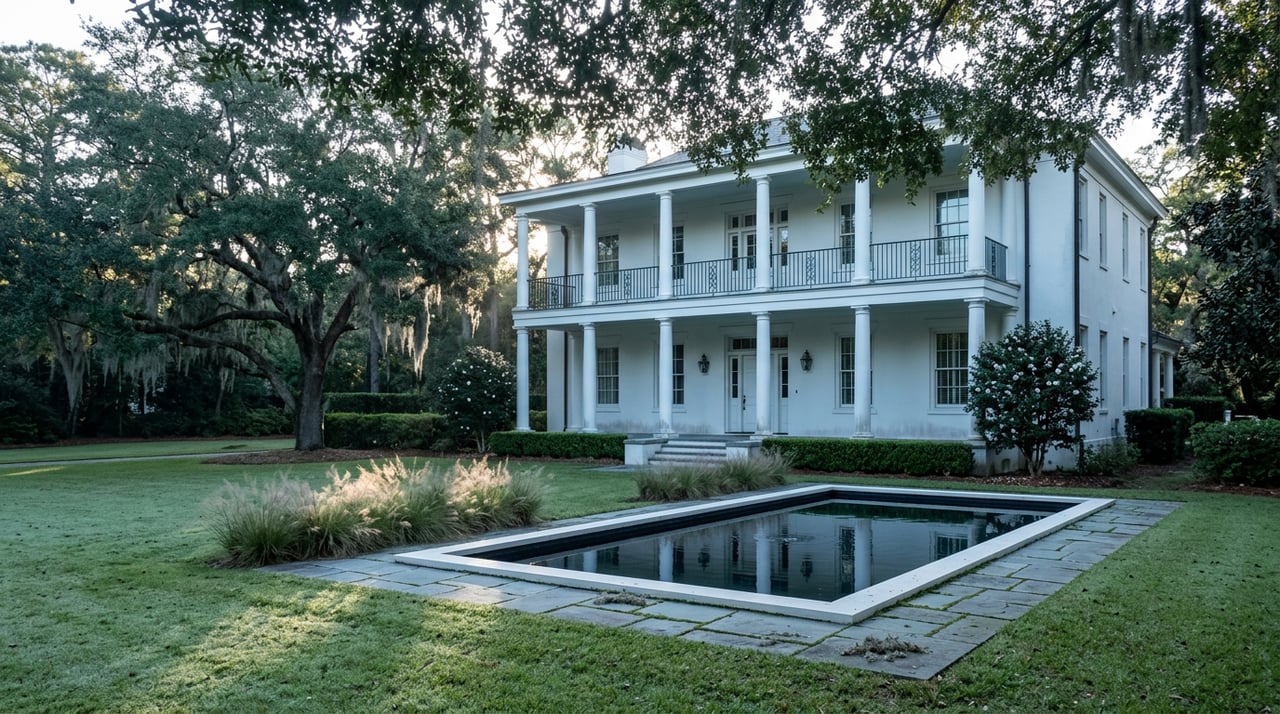
Savannah’s historic homes span Federal, Greek Revival, Italianate, Victorian, and early 20th-century townhouses. Buyers come for original mantels, heart-pine floors, ironwork balconies, tall ceilings, and porches beneath live oaks. Your staging should showcase those authentic elements and make everyday use intuitive.
Coastal humidity, salt air, and seasonal storms add another layer. Moisture, mold, and corrosion can distract buyers and suggest risk. Plan staging with humidity control, clean finishes, and hurricane-season readiness in mind so the home looks cared for and comfortable.
Know the rules first
Before you adjust anything on the exterior, confirm what needs review. In Savannah’s local historic district, exterior changes visible from the public right-of-way typically require approval by the Historic District Board of Review (HDBR). Interior changes are usually not regulated unless special landmark status or a preservation easement applies.
If your property has an easement or covenant, it is binding and must be disclosed. Keep documents handy for showings. For tax incentives, the federal Historic Rehabilitation Tax Credit generally applies to certified work on income-producing properties, not owner-occupied homes. Check with Georgia’s State Historic Preservation Office for any state-level programs, and speak with a tax professional before assuming eligibility.
What to highlight
Use staging to direct attention to irreplaceable features and the home’s spatial quality.
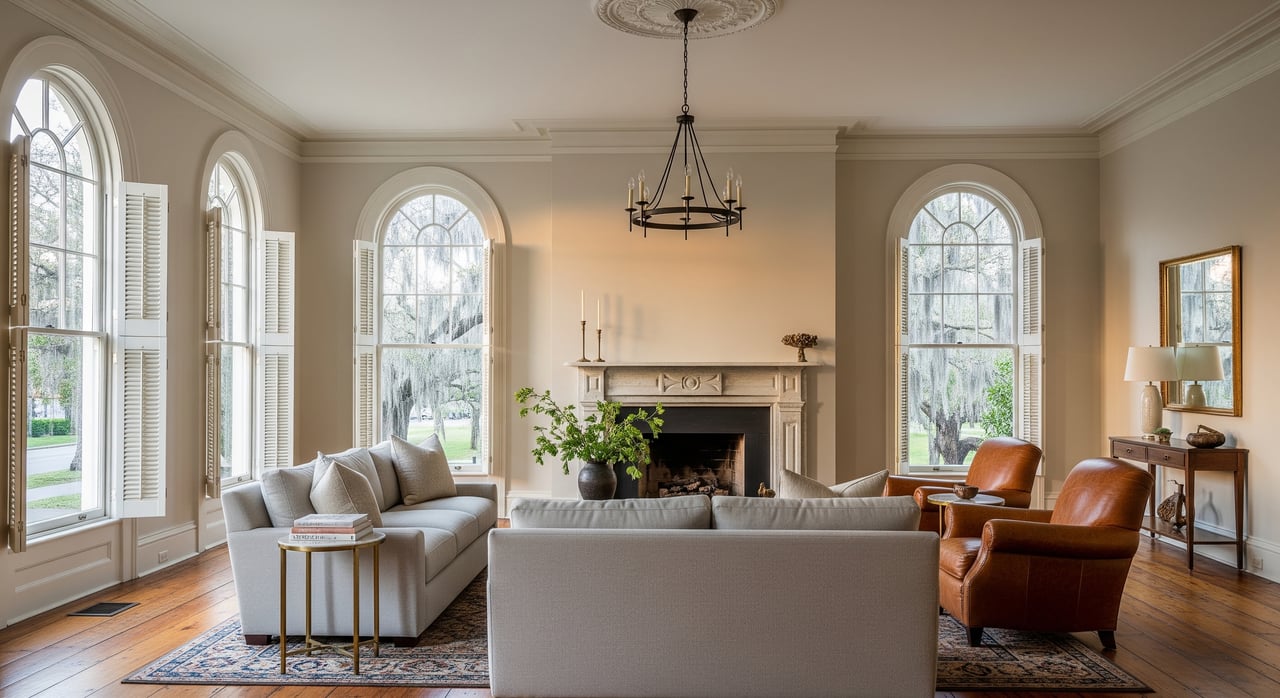
- Architectural details: Make mantels, crown moldings, ceiling medallions, original doors, transom windows, and heart-pine floors visible and well lit.
- Windows and light: Keep original window proportions clear with simple, light-filtering treatments that do not damage frames.
- Scale and flow: Choose furniture that matches tall ceilings and room proportions. Arrange seating to show natural circulation between rooms.
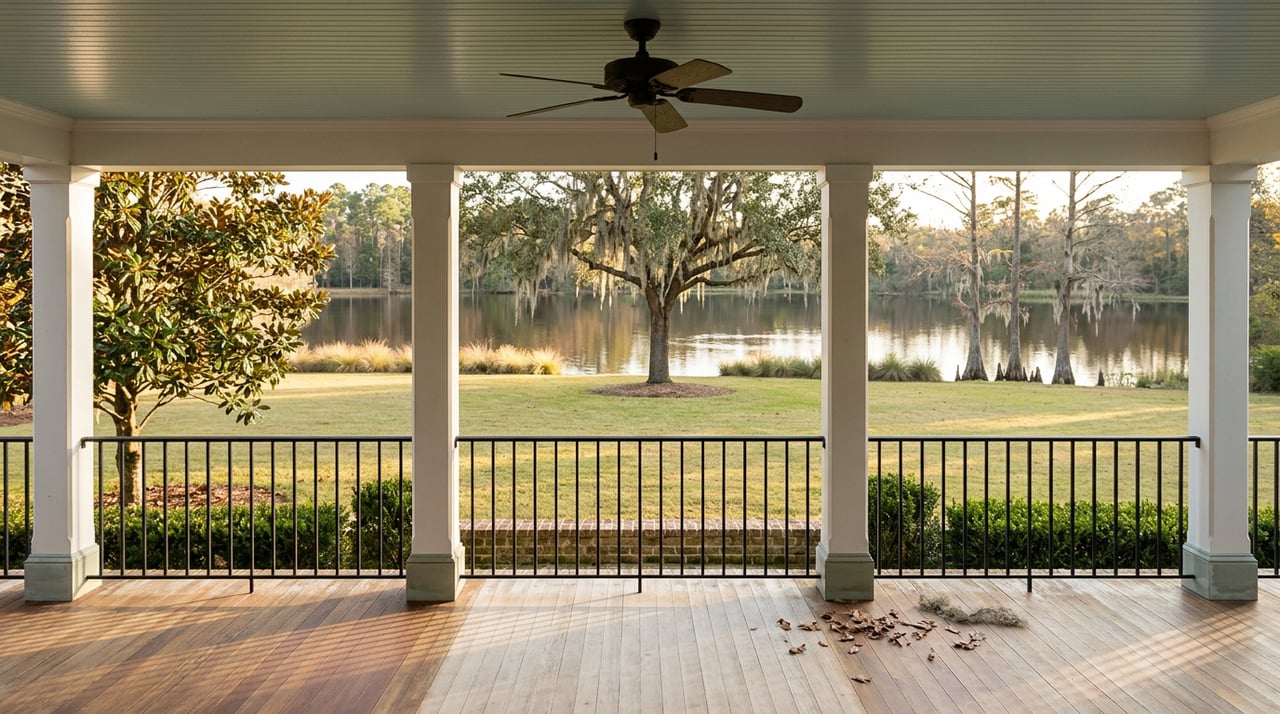
- Outdoor living: Stage piazzas and porches with seating and soft lighting to underline Savannah’s indoor-outdoor lifestyle.
- Upgrades and systems: Subtle cues go a long way. A neat mechanical closet, a discreet modern thermostat, or organized utility photos in a brochure help buyers trust what they cannot see.
What to neutralize
You do not need to erase history to reach today’s buyer. You only need to remove distractions.
- Overly themed décor: Reduce dense Victorian props or collections that can make rooms feel small or like a museum.
- Heavy patterns and drapery: Choose simple, neutral window shades to maximize light and reveal trim and muntins.
- Loud, non-original finishes: Swap neon or high-contrast paint for colors that highlight wood tones and moldings.
- Personal items: Remove family photos and keepsakes so buyers can imagine their own story.
- Deferred maintenance: Address peeling paint, mold, mildew, and rotting trim. If repairs were made, keep receipts ready in a simple preservation packet.
Room-by-room tips
Entry and foyer
Keep sightlines open so the door surround, transom, and threshold are visible. A small console or bench, a period-appropriate rug, and warm light set the tone without crowding the space.
Parlor and living room
Let the mantel and moldings lead. Use scaled chairs and a modest sofa to avoid blocking original details or pathways. Aim for conversational groupings that show how the room lives.
Dining room
Stage a balanced table with simple place settings. Highlight built-ins or an original chandelier if present. Keep linens and artwork neutral to emphasize proportion and trim.
Kitchen
Kitchens sell homes. If updated, keep surfaces clear and styling minimal to feel contemporary and functional. If more historic, show neat, well-maintained cabinetry and highlight any sensitive upgrades to plumbing, lighting, or appliances.
Bathrooms
Aim for clean, bright, and fresh. Keep original tile or a cast-iron tub when feasible, and pair with sympathetic fixtures and crisp towels. Good ventilation is essential in our climate.
Bedrooms
Choose a bed size that suits the room and ceiling height. Use neutral bedding, minimal furniture, and organized closets. Add one or two tasteful accents that nod to the home’s era.
Porches and gardens
Savannah porches and piazzas are lifestyle magnets. Add seating, potted plants, and soft lighting. Make sure floors, steps, and railings are safe, clean, and solid.
Small rooms and corridors
Use small-scale furniture to give purpose, such as a reading nook or office. Avoid blocking original woodwork with large pieces.
Materials and repairs
Prioritize preservation-minded choices that protect authenticity and reassure buyers.
- Windows: Repair sash, weatherstrip, and consider interior storm windows for comfort and efficiency while keeping original profiles.
- Paint: Choose historically sympathetic palettes inside and confirm exterior colors with local rules where required.
- Floors: Refinish heart-pine or hardwood where possible and use rugs to define spaces and protect surfaces.
- Hardware and fixtures: Retain original pieces when functional. If not, use period-appropriate reproductions.
- Avoid covering details: Do not paint over original paneling or plaster medallions without careful consideration.
When repair is possible, choose it over replacement. If replacement is unavoidable, match scale, profile, and craftsmanship so the new work reads as a respectful complement.
Climate and maintenance
Humidity control matters year-round. During showings, run air conditioning or a discreet dehumidifier to remove damp smells and protect finishes. Address any signs of mold or pests before you list and keep documentation of remediation.
During hurricane season, secure outdoor items and plan for safe, tidy porches. Be ready to communicate any recent roof, window, or system maintenance in your preservation packet.
Visual media that sells the story
Buyers want period charm and modern clarity. Premium media can deliver both.
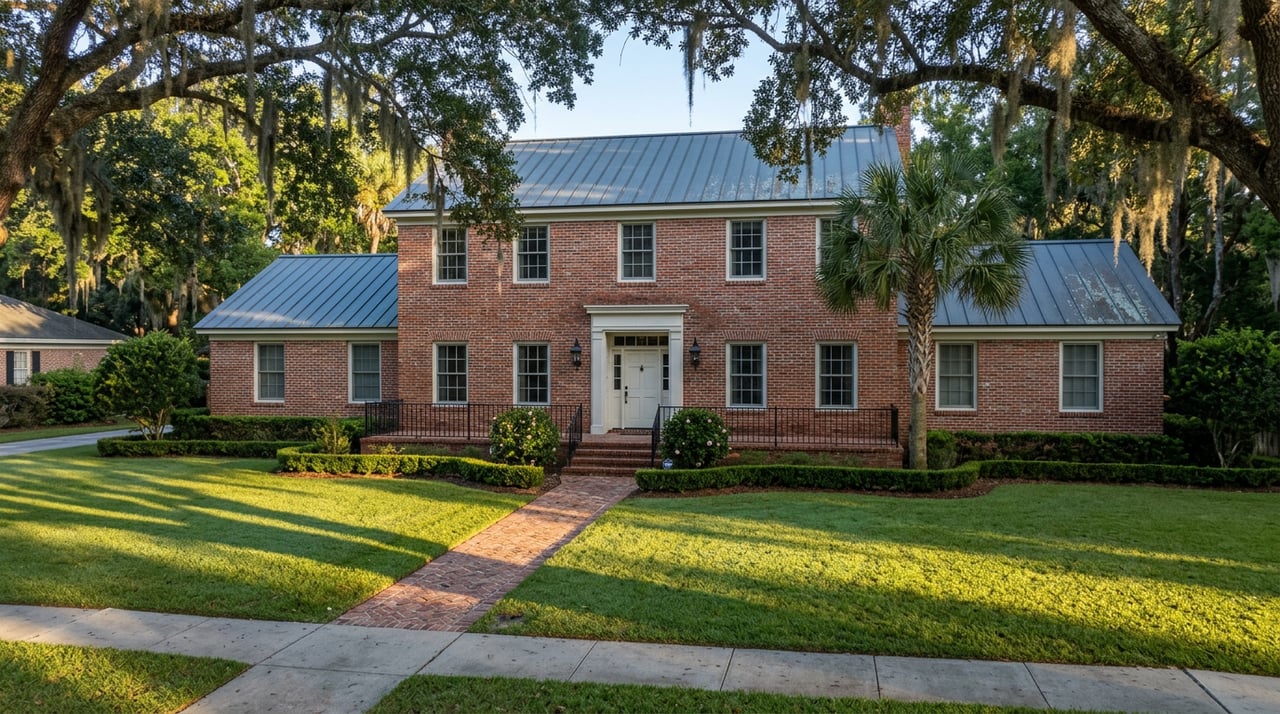
- Photography: Hire a photographer experienced with historic homes. They will respect vertical lines, capture tall ceilings, and avoid distorting narrow rooms. Aim for soft daylight indoors to reveal wood tones, and golden-hour exteriors to showcase porches and ironwork.
- Shot list: Include front elevation, streetscape context, porch and ironwork details, key interiors like mantels and stairs, and wide shots that show scale and flow. If you restored features, before-and-after details add confidence. Include discreet images of updated systems when helpful.
- 3D tours and floor plans: Complex layouts benefit from accurate floor plans and a Matterport-style tour. Add annotations that point out original elements and recent upgrades so buyers learn while they explore.
- Video: A short narrated walkthrough can share provenance, highlight craftsmanship, and note major investments like HVAC or sash restoration in a clear, concise way.
- Drone: For larger lots or to show relationships to squares or gardens, consider aerials. Confirm FAA and local rules and be mindful of privacy in the historic district.
In your listing copy, be specific. Buyers appreciate clarity such as “original heart-pine floors, refinished 2022; window sash restored 2019; HVAC replaced 2018.” This establishes stewardship and reduces uncertainty.
Quick pre-listing checklist
- Confirm any required HDBR approvals before exterior work.
- Disclose any preservation easements or covenants.
- Address safety and visible issues: loose stairs, broken balusters, exposed wiring.
- Tackle moisture, mold, and pest concerns with documented remediation.
- Clean and conserve key finishes: refinish floors, patch plaster, clean ironwork.
- Declutter and depersonalize; remove heavy themed décor.
- Choose neutral staging pieces scaled to room proportions.
- Hire a historic-savvy photographer; prepare a tidy preservation packet with approvals, invoices, and maintenance records.
- Be ready to discuss what is original, what is updated, and any local restrictions or flood zone details.
Ready to list?
You do not have to choose between character and market appeal. With thoughtful staging and premium media, you can honor your home’s history and attract today’s buyers with confidence. If you want a boutique, preservation-minded plan backed by high-end photography, Matterport 3D tours, and targeted marketing, let’s talk. Partner with The Oliver Group to position your historic home for a top-dollar result.
FAQs
Do historic district rules affect staging and prep?
- Exterior changes visible from the street often require HDBR review and approval. Interior changes are usually not regulated unless special status or an easement applies.
How do I stage without damaging original materials?
- Use reversible methods: place rugs and freestanding lamps, avoid adhesives and new fasteners in plaster or trim, and work with stagers who understand historic homes.
Are there tax credits for owner-occupied historic homes?
- The main federal rehabilitation credit generally applies to income-producing properties, not owner-occupied homes. Check Georgia’s SHPO and a tax professional for any state options.
What modern features do buyers expect in historic houses?
- Buyers want authenticity plus function. Subtle proof of updated HVAC, electrical, and plumbing, along with bright, uncluttered rooms and clear flow, builds confidence.
How should I prepare for showings during hurricane season?
- Secure loose outdoor items, stage porches safely, and manage humidity with AC or a dehumidifier. Keep maintenance and recent repair records ready for buyers.
Should I disclose easements or special restrictions?
- Yes. Disclose any preservation easements, covenants, or local restrictions early. Transparency reduces friction and supports smoother negotiations.