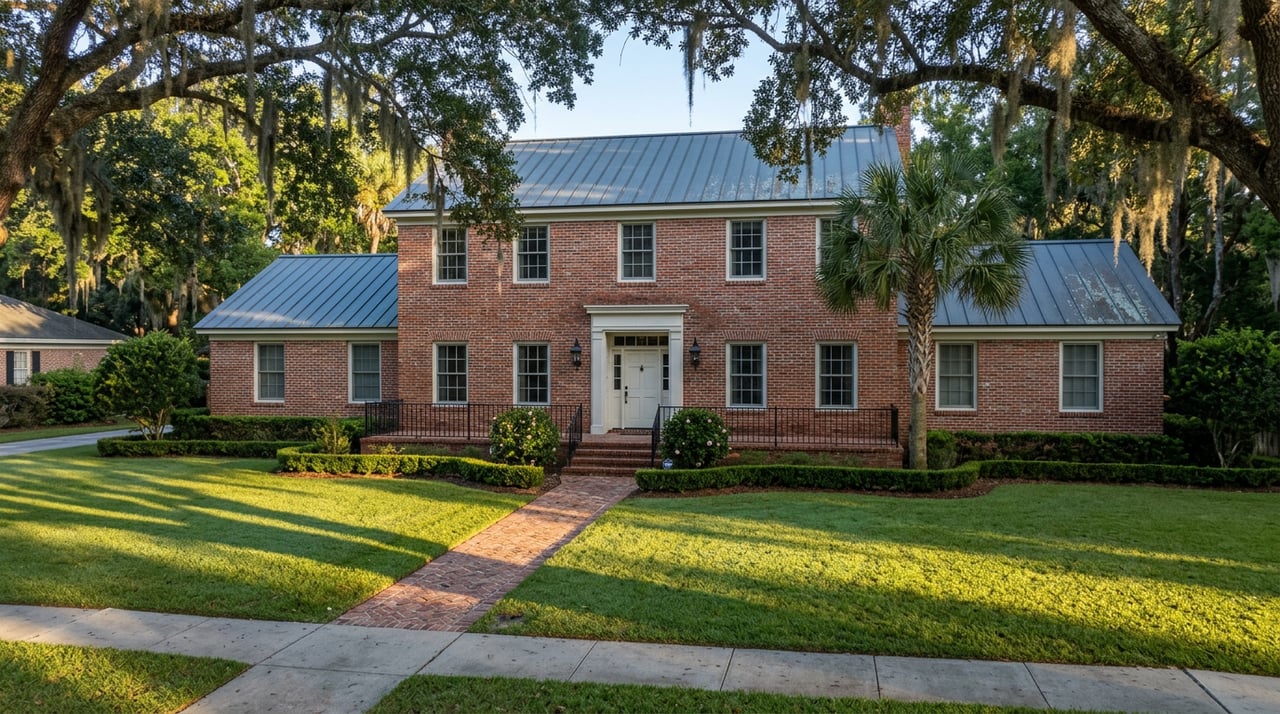
Dreaming of a Tybee Island getaway that offsets costs with nightly bookings? You are not alone. Many second‑home buyers eye rental income to balance ownership expenses, while sellers want to understand how local rules shape value. Here is the catch: Tybee’s short‑term rental rules are specific, and a 2024 change to permit transfer in residential zones can reshape both your numbers and your exit plan.
This guide breaks down what counts as a short‑term rental, where new permits are allowed, how the new nontransfer rule works, the 60‑day proof requirement, the taxes that hit revenue, and the due‑diligence steps you should take before you buy or list. Let’s dive in.
STR basics on Tybee
On Tybee Island, a short‑term rental is any stay under 30 consecutive days. You must hold a City short‑term rental certificate, and it renews on a calendar cycle from January 1 to December 31. The City provides the application packet, FAQs, and ordinance links on its Short‑Term Rentals page. You can review the official definitions and certificate details on the City’s Short‑Term Rentals hub.
- Learn more on the City’s Short‑Term Rentals page: City of Tybee Island STR overview
Where new permits are allowed
Tybee is not issuing new short‑term rental certificates in the R‑1, R‑1B, or R‑2 residential zoning districts. If a property is outside those zones, such as in certain commercial, mixed‑use, or resort districts, you may still apply for a certificate. Always confirm a parcel’s zoning before you assume eligibility.
- For zoning tips and occupancy rules, see the City’s STR FAQs
2024 transfer rule: permits end on sale
As of June 13, 2024, Tybee adopted Ordinance No. 08‑2024. In residential zones, an STR permit terminates when the property transfers. That means the seller’s permit does not pass to the buyer, and it is not reissued at that address in those residential districts. If you plan to buy a home in an R‑1, R‑1B, or R‑2 neighborhood and continue running it as a short‑term rental, this is the single biggest risk to your plan.
- Read Ordinance No. 08‑2024 on permit transfer: STR permit termination on transfer
Proof of use: the 60‑day rule
Tybee’s ordinance also ties ongoing eligibility to actual rental activity. For certain renewals and continuation of nonconforming status, you must show documentation of at least 60 days of short‑term rentals in the prior 12 months. If you cannot show that history, the City can deem the use abandoned. There are limited relief paths for events like disaster damage or documented long‑term leases, but you must meet the ordinance’s standards.
- See the amendment on abandonment and proof: Ordinance No. 2023‑18
Taxes that reduce net revenue
When you model income, account for state and local taxes that apply to short stays. Tybee requires a 7 percent local occupational or room tax. You file monthly returns, even when no tax is due. Georgia also applies the state sales tax and charges a 5 dollar per‑night state hotel‑motel fee on stays of 30 nights or less. Some booking platforms collect and remit certain taxes, but you remain responsible for local monthly returns and for any tax the platforms do not cover.
- Local policy and filing note: Tybee STR tax info
- State fee statute: Georgia hotel‑motel fee
- How to register for the fee: Georgia DOR registration guide
Application, fees and what to prepare
Tybee’s STR application is detailed and must be renewed each calendar year. Review the City’s packet carefully and be ready to provide documentation.
Regulatory fee: 200 dollar base fee plus an occupancy‑based surcharge that scales with allowed guest count.
Occupational Tax Certificate: The City lists a 135 dollar fee to obtain an Occupational Tax Certificate or you must file for an exemption if eligible.
Occupancy calculation: Two adults per bedroom plus two additional adults for the dwelling. Bedrooms must match assessor records.
Local agent: You must name a local agent or manager who is available at all times and can respond within one hour to issues or complaints.
Signage and rules: Post required signage with an emergency contact, and share local rules with guests, including parking, trash, noise, beach, and disorderly‑house standards.
Parking plan and photos: Provide a parking plan as part of the application.
Insurance: Show proof of liability insurance and that the insurer knows the property is used as a short‑term rental.
Full application details: Tybee STR New/Renewal Application
Occupancy and fee references: City STR FAQs
Enforcement and legal uncertainty
Tybee references complaint‑driven enforcement and verification methods, including audits of public listings. At the same time, Georgia law limits routine registration and inspections of residential rental property without probable cause of a code violation. That tension is central to ongoing litigation filed by a group of property owners and managers against the City, which was heard in early January 2026. The case could narrow or change how parts of the ordinance are applied, which introduces regulatory uncertainty for both buyers and sellers.
- State statute limiting routine inspections: O.C.G.A. 36‑74‑30
- Local reporting on litigation status: WTOC coverage of the case
Buyer strategy on Tybee
If short‑term income is part of your plan, the rules change how you shop and underwrite.
- Prioritize the right zones. Focus on properties outside R‑1, R‑1B, and R‑2 where new certificates may still be issued, then confirm zoning before offers.
- Verify permit survival. If a listing claims an active STR certificate, ask whether the address is in a residential zone where the 2024 ordinance terminates the permit on transfer. Assume it does not survive in those zones unless City guidance changes.
- Demand documentation. Request the STR certificate number, the City approval packet, booking history, the last 12 months of local room‑tax returns, evidence used to meet the 60‑day activity standard if applicable, the Occupational Tax Certificate, and any exemptions claimed.
- Underwrite taxes and compliance costs. Build the 7 percent local room tax, state sales taxes, the 5 dollar per‑night state fee, and monthly filing time or accounting into your pro forma. Add costs for a compliant local agent, signage, parking constraints, and potential penalties.
- Stress test for non‑STR use. If the permit would not transfer or a court ruling changes the rules, model the home as a pure second home or as a long‑term rental so you know your floor.
Seller implications and value
Tybee’s limits on new residential STRs can create both premium and drag. In zones where new or transferable STR rights are allowed, a valid certificate can support a pricing premium because supply is constrained. In R‑1, R‑1B, and R‑2, the 2024 nontransfer rule narrows the buyer pool for investors who want short‑term income, which can shift pricing toward second‑home fundamentals and lifestyle value.
If you plan to list, make sure you stay current on monthly tax filings and maintain any required rental activity that supports your property’s status until closing. Gather your permit number, application paperwork, booking records, and tax returns so buyers can evaluate with confidence. That preparation strengthens your position, reduces surprises, and supports a smoother negotiation.
Due‑diligence checklist
Use this quick checklist before you write an offer or go live with a listing:
- Confirm parcel zoning and whether the address sits in R‑1, R‑1B, or R‑2.
- If an STR is claimed, collect the STR certificate number and the City’s application or approval packet.
- Determine whether the 2024 transfer rule would terminate the permit at closing and whether any exceptions apply.
- Request booking history, recent local room‑tax filings, and documentation used to show 60 days of short‑term rentals if relevant to status.
- Verify the property’s Occupational Tax Certificate or any exemption.
- Review HOA or condo documents for private restrictions on STRs.
- Confirm parking capacity and prepare the City’s required parking plan if you intend to apply or renew.
- Check insurance for a vacation‑rental policy or endorsement that reflects STR use.
- Clarify which taxes your booking platform collects and what you must still file locally each month.
- Consider contract contingencies related to permit status and litigation outcomes when the STR status is central to value.
Ready to map the right plan for your Tybee home or purchase? Let’s align your goals with today’s rules, then market or shop with confidence. If you want expert guidance and a clear path to a successful sale or acquisition, reach out to The Oliver Group to start the conversation.
FAQs
Can I buy any Tybee home and run an STR?
- No. New STR certificates are not issued in R‑1, R‑1B, or R‑2, and in most residential zones the 2024 ordinance terminates the seller’s permit on transfer, so confirm zoning and permit status first.
Do STR permits renew annually and when?
- Yes. Tybee’s STR certificates operate on a calendar‑year cycle from January 1 to December 31, and you must renew each year to stay compliant.
What is the max occupancy for a Tybee STR?
- The City calculates occupancy as two adults per bedroom plus two additional adults for the dwelling, and bedroom counts must align with assessor records.
What local contact is required for an STR?
- You must designate a local agent or manager who can respond at all times and meet a one‑hour response expectation for issues or complaints; required signage must show the emergency contact.
Do booking platforms handle all taxes for me?
- Not always. Platforms may collect some state and local taxes, but you are still responsible for ensuring correct collection and for filing Tybee’s monthly room‑tax return even when no tax is due.
What if a permitted STR lacks 60 days of rentals?
- The City can deem the use abandoned if you cannot show at least 60 days of short‑term rentals in the prior 12 months, although limited relief exists for documented disasters or long‑term leases.