Ready to live by the water on Wilmington Island but not sure if deep-water or marsh-front is the better fit? You have great options in 31410, and each one offers something different. The right choice comes down to how you plan to use the water, what you can build, and your comfort with flood rules and ongoing costs. In this guide, you’ll learn the key differences, the rules that shape value, and how to compare homes confidently. Let’s dive in.
Key terms: waterfront types in 31410
Deep-water riverfront
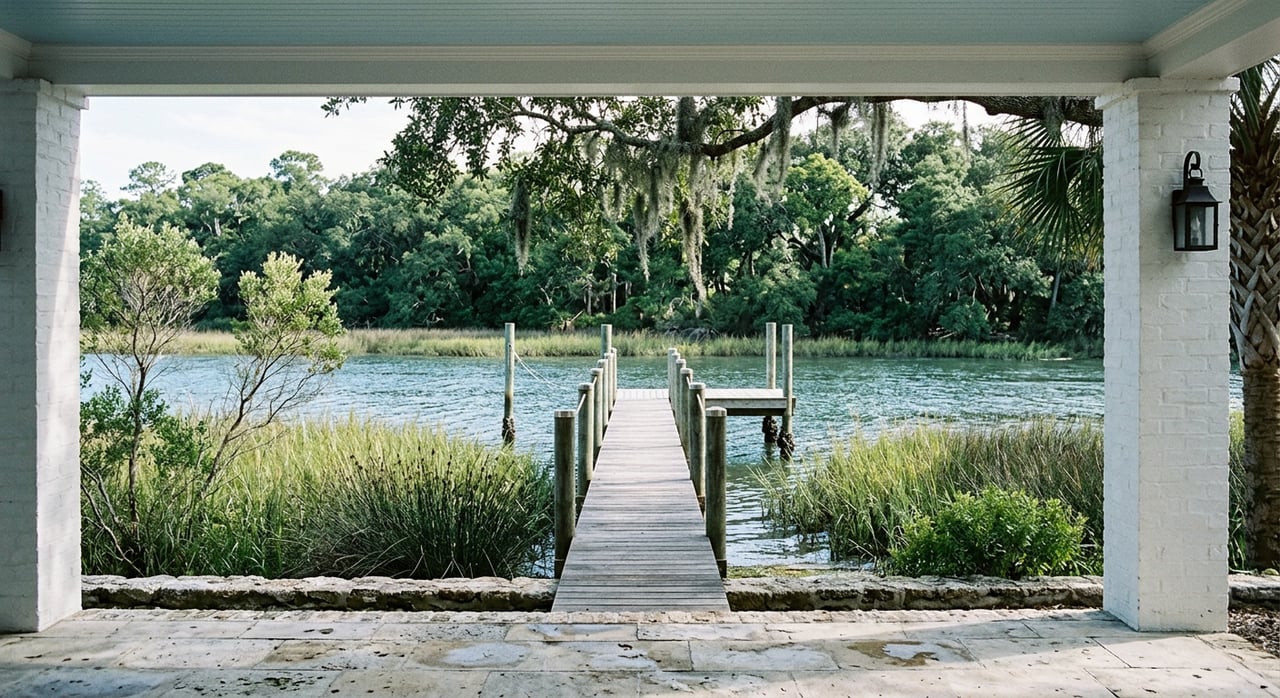
Deep-water lots give you boat access at or near mean low tide, typically with a private dock and lift. That “usable at low tide” access is what many buyers are really paying for. Deep-water frontage is limited by natural channels and regulations that protect navigation and marsh resources, so it tends to be scarce and highly valued. Historic navigation planning highlights the complexity of maintaining channels, which helps explain scarcity and premiums. Review the USACE Savannah Harbor analysis for context.
Tidal-creek frontage
Tidal-creek homes sit on smaller, winding creeks that rise and fall with the tide. They can be great for kayaks and small skiffs, but boat use often depends on the tide and channel depth. Scientific literature distinguishes tidal creeks from larger rivers because of their tidal dynamics and shallower conditions, which is why access can be tide-timed. See the tidal-creek research overview for background.
Marsh-front views
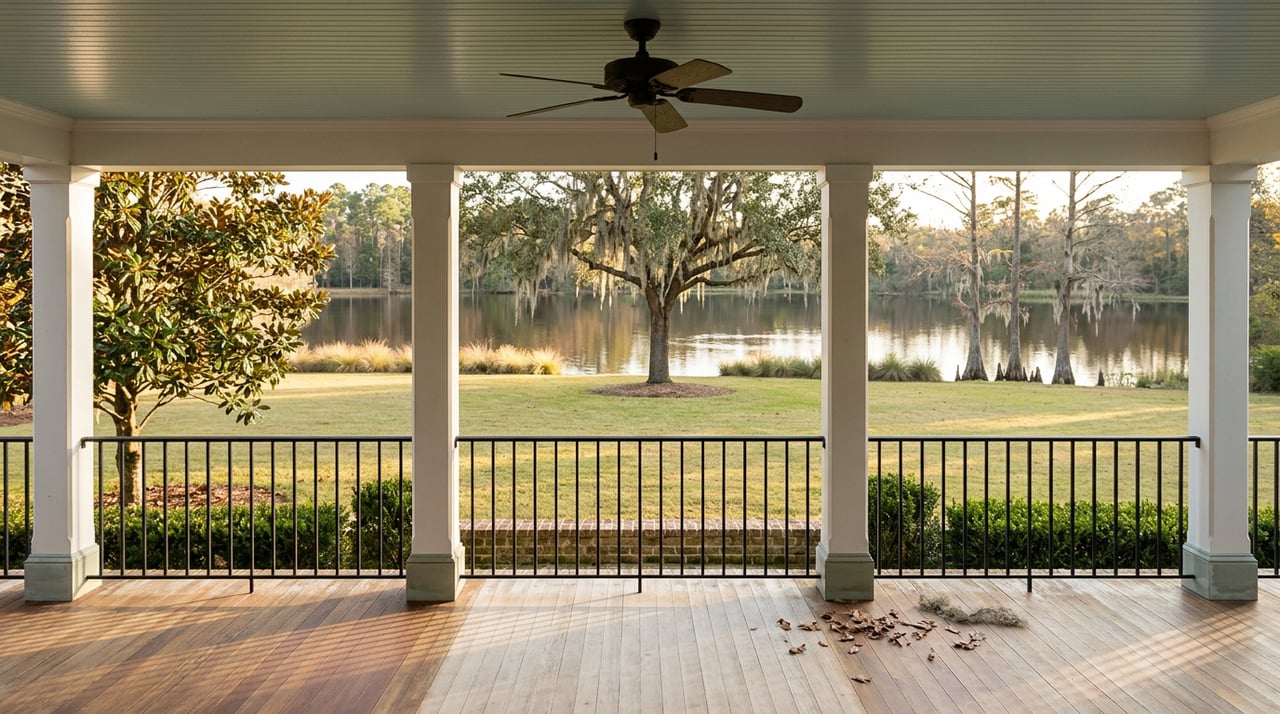
Marsh-front homes border salt marsh and deliver sweeping views and wildlife. This frontage emphasizes scenery and privacy, not direct boat access. Conventional docks across marsh typically require state approvals and sometimes face environmental scrutiny because marshlands provide important ecosystem services. For a look at why marsh protection is prioritized, see this UGA overview of natural-area benefits.
Permits: what you can build and where
Who reviews docks and shoreline work
Private dock projects on Georgia’s coast are reviewed by the Georgia Department of Natural Resources, Coastal Resources Division (CRD). Many projects need a Revocable License and a joint application that coordinates with the U.S. Army Corps of Engineers and, when needed, water-quality review. Start with the CRD dock permit FAQ and the individual dock application checklist to understand submittals, adjacent-owner notices, and timelines.
Marsh buffers and setbacks
Beyond state rules, local setbacks affect where walkways and docks can originate. In practice, Wilmington Island lots commonly observe about a 35-foot marsh buffer that combines state and county overlays. This buffer can limit how close you build to the marsh edge and shapes upland design. The local planning record discusses how these buffers are applied; see recent Chatham County Zoning Board of Appeals minutes.
Flood and building standards
Chatham County’s Flood Damage Prevention Ordinance sets construction rules for coastal V and A zones. In V zones, new and substantially improved homes must be elevated on piles or columns, and the lowest supporting horizontal member must sit at least 3 feet above Base Flood Elevation. Enclosed space below cannot be used as living area. Read the Chatham County FDPO for details. The City of Savannah also adopted higher freeboard standards to improve resilience and mortgage eligibility; review the city’s flood-protection information or contact the local flood office for parcel-specific requirements.
Elevation, insurance, and total cost of ownership
FEMA’s Risk Rating 2.0 prices NFIP flood insurance at the property level. Elevation, foundation type, distance to water, and replacement cost now drive premiums more than a simple zone map. Two neighbors can pay very different amounts if one home is elevated higher or built on piles with the right design. For a deeper look, see FEMA’s NFIP manual.
Community participation in FEMA’s Community Rating System can lower NFIP premiums through local floodplain management credits. Savannah and Chatham encourage owners to verify current discounts with the flood office. You can also pull the latest FEMA maps and Elevation Certificate info through the FEMA Map Service Center to understand your site’s BFE and flood zone before you buy or list.
The bottom line: elevation and foundation details affect both insurability and rebuild costs, which in turn influence market value. Many buyers will pay more for a deep-water home that is well elevated with compliant construction, while low-elevation properties may trade at a discount unless other features, such as a rare dock, offset the risk.
Value and pricing signals in 31410
Recent market snapshots place the 31410 median sale price in the roughly 430 to 480 thousand range. Within that context, waterfront types spread widely. Marsh-front homes with strong views but limited dock potential often sit near the mid-range of the zip code. Deep-water properties span from mid to high six figures into several million when you add permitted docks, lifts, larger lots, and custom finishes.
What drives the premium
- Low-tide utility: Direct access at or near mean low tide is the biggest driver of boating value.
- Dock certainty: A permitted dock, a current Revocable License, and a clear path to maintain or repair it reduce risk and support higher pricing. Start with the CRD permit FAQ to verify status.
- Elevation and insurance: Compliant pile foundations and higher elevations can lower long-run flood costs under Risk Rating 2.0, which many buyers factor into offers. See FEMA’s NFIP manual.
- Lot width and home quality: Frontage, layout, and finishes still matter. A narrow lot with a modest house will not command the same price as a wide lot with premium build quality, even on similar water.
If you need a precise premium estimate for your home, the next step is a targeted MLS analysis comparing closed sales by water type, dock status, lot dimensions, elevation, and finish level.
Lifestyle differences you will feel
- Deep-water: Keep larger boats on lifts, leave on your schedule, and reach open water for day trips more easily. Expect added upkeep for docks and hoists and higher insurance or resilience planning near the waterline.
- Tidal-creek: Great for kayaks, paddleboards, and smaller skiffs with tide-timed use. You will plan around tide charts and local shoaling patterns.
- Marsh-front: Panoramic views, quieter wildlife watching, and privacy-forward living. Direct boat access is limited without approvals, and the focus is on scenery rather than boating.
Upkeep and recurring costs to plan for
- Dock and lift maintenance: Plan for pilings, decking, hardware, and electrical checks in a salt environment.
- Shoreline structures: Bulkheads and riprap may require engineering and permits, and they must be designed to avoid harming adjacent marsh. Local floodplain rules also limit fill and seawall height. Review the Chatham County FDPO for standards.
- Dredging reality: If depth is marginal, dredging can be technically challenging and costly, with strict disposal requirements and multi-agency review. The USACE Savannah Harbor report illustrates why private dredging is complex and often not feasible.
Buyer and seller due-diligence checklist
- Flood zone and elevation: Request the Elevation Certificate and check FEMA FIRM panels. Confirm any LOMA/LOMR. Use the FEMA Map Service Center.
- Insurance quotes: Get both NFIP and private flood quotes. Under Risk Rating 2.0, property specifics influence premiums. See FEMA’s NFIP manual.
- Dock status: Verify permits, the Revocable License, and any USACE authorizations. If no dock exists, ask whether one would be approvable now. Start with the CRD permit FAQ and the individual dock application.
- Water depth at MLW: Confirm depth and channel width if boating matters; surveys and application checklists often require MLW measurements.
- Buffers and setbacks: Identify the marsh jurisdiction line and the buildable envelope. Local records reflect a commonly applied 35-foot buffer; see the MPC appeals minutes.
- Shoreline history: Review any bulkhead or riprap permits and maintenance. The Chatham County FDPO sets limits on fill and structures.
- Dredging and shoaling: Ask about past shoaling and any dredging attempts. The USACE planning report shows why dredging can be a major hurdle.
- Community standards: Check HOA and shared-dock rules in case a plan triggers additional reviews.
When you weigh deep-water against marsh-front in 31410, focus on low-tide access, dock certainty, elevation and insurance, and the house and lot itself. These factors explain most of the price and lifestyle differences. If you want a clear, data-backed read on your options, reach out. You will get local insight, smart marketing, and a plan tailored to your goals.
Ready to compare your home or shortlist with precision? Connect with The Oliver Group for a targeted valuation, curated tours, and a strategy that matches how you want to live.
FAQs
What does “deep water” mean on Wilmington Island?
- It generally refers to frontage that allows boat use at or near mean low tide, often with a permitted private dock and lift for reliable access.
How hard is it to get a private dock approved in Chatham County?
- Most projects require a state Revocable License and joint review with USACE; timelines vary by complexity, so start with GA DNR’s Coastal Resources Division guidance and submit a complete application.
How do flood zones affect my cost in 31410?
- Under FEMA’s Risk Rating 2.0, elevation, foundation type, and distance to water drive premiums, so elevated, compliant construction can reduce long-term insurance costs.
Can I add a bulkhead on a marsh-front lot?
- Possibly, but shoreline structures are regulated and must meet local and state standards; design and permitting aim to protect marsh and adjacent properties.
What price range should I expect for deep-water vs marsh-front?
- Marsh-front homes often align with the mid-range of the zip code, while deep-water properties vary widely from mid to high six figures into several million depending on dock utility, elevation, lot width, and finishes.